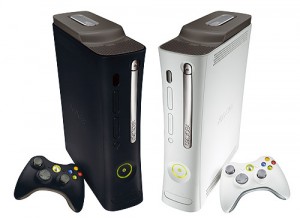
 The video gaming industry may still be in a slump, but Microsoft has prevailed with this year’s sales report, topping Nintendo and Sony with top game Red Dead Redemption. The release of the slimmer Xbox 360 console earlier this year helped boost Microsoft’s overall gaming position, taking it to the number 2 spot behind the Nintendo Wii. Sony took third place for consoles, while the game Red Dead Redemption found top spots across all three platforms.
Despite being unable to beat out Nintendo for game console sales, Microsoft’s Xbox numbers in June were the second-largest non-holiday sales period in the past year. That’s two consecutive strong months for Microsoft, giving it a good position for the summer. Though the Nintendo Wii remains in the dominate position, sales are still on the decline. From BusinessWeek,
“Nintendo’s DS handheld video-game player sales fell by a third after the Kyoto, Japan-based company said it’s introducing a version equipped with three cameras, a wireless connection and a screen that displays 3-D images without the use of special glasses. The company plans to start selling the 3DS player before March 2011, prompting a 39 percent decline in May.”
Game sales overall declined as well, dropping 15% to $531 million. Nevertheless, Red Dead Redemption’s success across the board demonstrates the industry’s need to focus on both consoles and title sales. Concentrating on pushing top-selling games has been a necessary strategy for all major players–something that’s being mimicked in the casual gaming industry as well.
There’s been a significant shift to mobile gaming in the past couple of years, with handheld gaming and mobile devices becoming more prominent. This has influenced developer interests and business needs, particularly as the iPhone becomes a driving distribution platform. The growing channels for accessing and delivering games has brought about a quickening trend towards investing in game titles for mobile devices, especially those that also tie in to social mechanisms or combine other package services as well.
And so it’s gone for game consoles for years now, helping to drive adoption of the personal cloud. Services like Netflix have been quick to use game portals as access points for their customers, with Hulu following the lead. So while game consoles and their titles may be suffering during this slump, the use of the gaming industry overall will continue to become a powerful distribution channel for various entertainment products and services.
Support our mission to keep content open and free by engaging with theCUBE community. Join theCUBE’s Alumni Trust Network, where technology leaders connect, share intelligence and create opportunities.
Founded by tech visionaries John Furrier and Dave Vellante, SiliconANGLE Media has built a dynamic ecosystem of industry-leading digital media brands that reach 15+ million elite tech professionals. Our new proprietary theCUBE AI Video Cloud is breaking ground in audience interaction, leveraging theCUBEai.com neural network to help technology companies make data-driven decisions and stay at the forefront of industry conversations.