



 NEWS
NEWS
NEWS
NEWS
NEWS

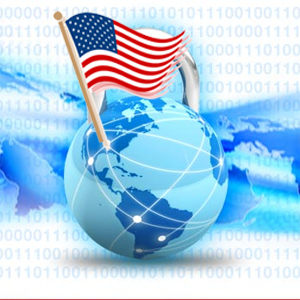 The United States and Australia have been close partners for almost 60 years when it comes to warfare since the day they signed into a mutual defense alliance, which now will be extended to include cyberspace as well.
The treaty from 60 years ago, known as the AZNUS military alliance treaty, describes a mutual defense condition where if one country is attacked the other will respond by declaring war against the attacker. The treaty itself ties the countries together by requiring each nation to rise to act together against a common enemy for any Pacific threat; but doesn’t stipulate any automatic armed response.
An article published by Reuters outlines what is believed to be the first explicit addition of cyberspace to any mutual defense treaty between nations,
U.S. Defense Secretary Leon Panetta said applying the cyber realm to the treaty underscored the way the U.S. views the cyber threat.
“I think it’s in large measure a recognition of what I’ve been saying time and time again, which is that cyber is the battlefield of the future,” Panetta said on Wednesday, speaking to reporters on his flight toSan Francisco.
“We’re all going to have to work very hard not only to defend against cyber attacks but to be aggressive with regards to cyber attacks as well.
“And the best way to accomplish that is not only on our own but by working with our partners.”
Modern warfare may be about conventional and nuclear arms and being able to assault and hold territory with troops, but it’s becoming more obvious that the role of cyberwarfare in everyday life is extremely important. In fact, with more and more governments and infrastructures being connected to the Internet, it opens up entire nations to possible sabotage from outside their borders.
The United States itself has become a broad target for hackers aiming for defense information, and even the Pentagon has fallen prey to a sophisticated spear-phishing attack that involved many documents were stolen. US defense contractors have become prime targets and, mostly due to both lax security, have also been the butts of strikes by Anonymous, LulzSec, and AntiSec as in the case IRC-Federal, Vanguard, and Booz Allen Hamilton.
These childish attacks don’t even come close to the carefully planned and executed assaults that came after the breach of the RSA SecurID keys later used against defense contractors such as Lockheed Martin and Northop Grumman who experienced network outages when defending against attempted intrusions. The real big boys in this sphere don’t announce their presence and we often don’t even know they managed to slip past tightly held defenses into our nation’s information strongholds.
Nations such as China have been caught pondering the use of cyberwarfare—and Chinese hackers, likely not affiliated with their government, have been noticed striking out against nearby nations such as North Korea by infiltrating their social networks.
The United States needs more than ever to tighten up its own perimeter when it comes to cyberspace and forging treaties with nations who are already aligned militaristically will help bolster that. In fact, as others have mentioned, this fits with current plans by the Obama administration to rethink the U.S. cyber policy.
Nonetheless, we have a strange road ahead of us.
Support our mission to keep content open and free by engaging with theCUBE community. Join theCUBE’s Alumni Trust Network, where technology leaders connect, share intelligence and create opportunities.
Founded by tech visionaries John Furrier and Dave Vellante, SiliconANGLE Media has built a dynamic ecosystem of industry-leading digital media brands that reach 15+ million elite tech professionals. Our new proprietary theCUBE AI Video Cloud is breaking ground in audience interaction, leveraging theCUBEai.com neural network to help technology companies make data-driven decisions and stay at the forefront of industry conversations.