



 NEWS
NEWS
NEWS
NEWS
NEWS

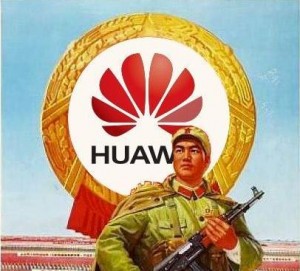 Poor old Huawei can’t seem to do anything right at the moment… Despite the firm’s strenuous denial of allegations that its hardware might pose a threat to the national security of western countries, plus more recent claims that the US congressional panel which made those allegations did so without any evidence, an air of suspicion continues to linger over it.
Now, Huawei’s credibility has taken another knock, with the latest revelations claiming that the telecoms firm recently tried to sell US hardware to a mobile operator based in Iran – an act that’s forbidden under current US sanctions.
According to Reuters, the proposed sale was almost certainly a mistake – but one that will do little to help restore the embattled Chinese firm’s tattered reputation.
The proposed sale relates to three dozen base station antennas manufactured by the US firm Andrew, which were offered to MTN Irancell as part of a larger order of Huawei equipment by the Iranian reseller Soda Gostar Persian Vista.
Huawei has an agreement with CommScope, the parent company of Andrew, to sell its equipment, but obviously it cannot go against any US embargoes.
Luckily for them, MTN Irancell cancelled the order after realizing the mistake. Apparently, the company had wanted to buy German-made antennas anyway, and had no intention of going against any sanctions.
“The incident is illustrative of the strong processes put in place by MTN and Irancell to ensure compliance,” Reuters reports the company as saying.
Super-sensitive to any negative press at the moment, Huawei moved quickly to protest its innocence about the latest scandal.
“We did not participate in the delivery of this project because Huawei has been and continues to be in strict compliance with all relevant international and local laws and regulations,” said a spokesperson for the company.
Huawei, alongside ZTE, has been subjected to intense scrutiny recently, ever since a US congressional panel issued a damning report saying that it could not be trusted over security. Among the concerns highlighted by the panel were the two company’s possible links to Iran. Specifically, ZTE was accused of supplying a number of Iranian telecom companies with Cisco-branded hardware, leading to a severing of ties between the US firm and ZTE.
Huawei strongly denied that it had any dealings with the Iranian government, but refused to comment on any other business it might be doing in the country.
Support our mission to keep content open and free by engaging with theCUBE community. Join theCUBE’s Alumni Trust Network, where technology leaders connect, share intelligence and create opportunities.
Founded by tech visionaries John Furrier and Dave Vellante, SiliconANGLE Media has built a dynamic ecosystem of industry-leading digital media brands that reach 15+ million elite tech professionals. Our new proprietary theCUBE AI Video Cloud is breaking ground in audience interaction, leveraging theCUBEai.com neural network to help technology companies make data-driven decisions and stay at the forefront of industry conversations.