

 NEWS
NEWS
NEWS
NEWS
NEWS

The new landscape for modern business is characterized by a digital transformation, and SAP SE is heavily invested in the changing marketplace. The software maker’s partnership with Microsoft, highlighted by an appearance of Satya Nadella, CEO of Microsoft, at SAP Sapphire’s keynote this morning, is just one example of the company’s direction moving forward. While notable, the Microsoft teamup isn’t surprising given SAP’s penchant for open systems. So how can its ecosystem-driven strategies work in this era of digitization?
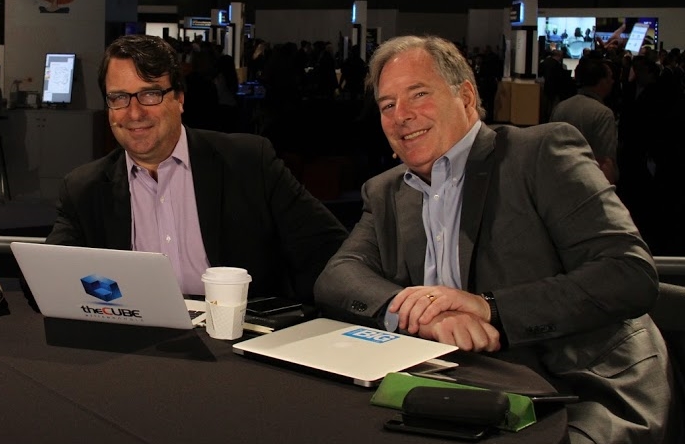
Discussing SAP’s tactics and reviewing Sapphire’s kickoff keynote were John Furrier (@furrier) and Peter Burris (@plburris), cohosts of theCUBE, from the SiliconANGLE Media team.
The integration with Microsoft’s Office 360 is a natural extension for SAP, Burris said, because of Microsoft’s broad adoption. “Having this integration makes an enormous amount of sense, as SAP’s overall mission is a modern application set, not just a migrated application set,” he explained.
The joint offering is just one example of SAP’s focus on usability, a principle applied to several initiatives within the company. This all contributes to SAP’s becoming a modern platform so that when a customer does move to the cloud under SAP’s guidance, they do so with a graphical user interface designed with the end user in mind.
What’s it all mean for the customer? This well-designed software can complement a customer’s end goal, but also solve many problems that previously would not have been able to benefit from a software solution.
“Software is flattening dramatically many of the things that used to distinguish how customers, small businesses and large businesses behave,” explained Burris. “The whole thing is brought together with the software experience.”
For practitioners, that means small businesses can act more like big businesses, solving more problems with new technologies and agility. “A new class of business problems are coming under the umbrella of what tech can do for you — it’s now easier to attack [problems] at scale, engaging customers and partners with a high amount of responsiveness,” Burris furthered. “Everybody’s looking at these new technologies and seeing new opportunities because we can identify new problems we can actually attend to.”
Such fresh opportunities ultimately mean competition within the market, as SAP and its rivals present their unique solutions to businesses. For this emerging market landscape, Furrier pointed out, there’s battle for growth, profit and a new kind of engagement. He asked of Burris, “What does SAP need to do?”
SAP’s aggressive acquisition streak has led to significant advancements, so unlike many of its rivals SAP has done very well in that it hasn’t failed in cloud. Citing double-digit growth over the past few years, Burris was careful to note the scaling costs and the marginal profits. Of particular interest to Burris was the reactions from customers and employees alike. He explained: “A lot of interesting things with SAP — as they go through this transition — customer satisfaction goes up and employee participation goes up. They’re doing something right.”
For SAP and its rivals, the cloud ecosystem plays a critical role in market success. For SAP, Burris said, its experience in open ecosystems will drive new levels of efficiency. Throughout this week’s Sapphire event he will be looking to determine to what degree SAP will establish itself as a driver of that ecosystem competition?
“Historically SAP’s been defensive — I have a sense now SAP will go on the attack and do a full-frontal against Oracle’s ecosystem, as they try to bring what’s working to more customers, especially those that already have SAP installed,” said Burris.
Watch the full video interview below, and be sure to check out more of SiliconANGLE and theCUBE’s coverage of SAP Sapphire 2016.
Support our mission to keep content open and free by engaging with theCUBE community. Join theCUBE’s Alumni Trust Network, where technology leaders connect, share intelligence and create opportunities.
Founded by tech visionaries John Furrier and Dave Vellante, SiliconANGLE Media has built a dynamic ecosystem of industry-leading digital media brands that reach 15+ million elite tech professionals. Our new proprietary theCUBE AI Video Cloud is breaking ground in audience interaction, leveraging theCUBEai.com neural network to help technology companies make data-driven decisions and stay at the forefront of industry conversations.