


 NEWS
NEWS
NEWS
NEWS
NEWS

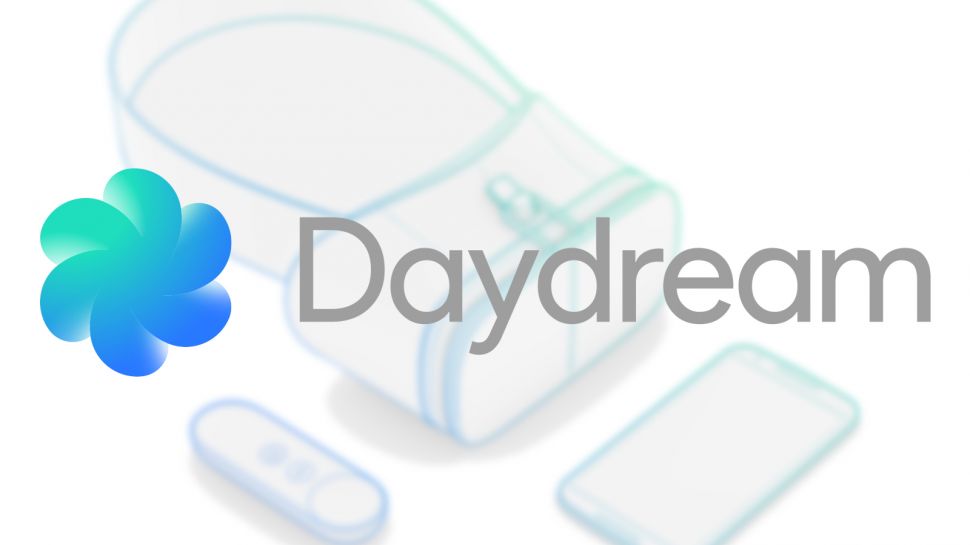
Google Inc. launched its virtual reality (VR) software development kit (SDK) out of beta Thursday with support for its Daydream VR platform.
The new official release adds native integration in Google’s VR platform for the Unity game development platform enabling Daydream developers to take full advantage of all of Unity’s optimizations in VR rendering, along with support for features like head tracking, deep linking and easy Android manifest configuration.
Unreal Engine 4 (UE4) native integration has also been improved. The new version is said to help developers build better production-quality Daydream apps, including Daydream controller support in the editor, a neck model, new rendering optimizations, and “much more.”
As part of the move out of beta, Google also announced that it would now be opening up the Daydream Access Program (DAP) for anyone who wants to push their VR apps to Google Play.
“When you create content for the Daydream platform, you know your apps will work seamlessly across every Daydream-ready phone and headset,” Google VR Product Manager Nathan Martz said in an announcement post. “Daydream is just getting started, and we’re looking forward to working together to help you build new immersive, interactive VR experiences.”
Google announced its Daydream VR platform at its annual I/O developer conference back in March. As SiliconANGLE’s Kyt Dotson described at the time:
The concept encompasses both hardware and software and will work on Android N—and it is slated for release Fall 2016. By pushing the hardware and software stack of Android devices, alongside a number of phone manufacturers, Google expects next-gen phones to be prepared with low-latency and high resolution to work with the Daydream VR viewer (which is a headset similar to the Samsung Gear VR) and its accompanying handheld controller.
Android N adoption has been slow off the mark so far, but coming into 2017 Daydream should appear across a broad range of new Android phones. Until then, Daydream adoption will also struggle simply because Daydream requires Android N to work.
That said, Google’s support for Unreal and Unity engines will undoubtedly appeal highly to those looking to develop virtual reality applications, and with Google having already signed up a range of video and gaming partners the future continues to look bright for the platform.
Support our mission to keep content open and free by engaging with theCUBE community. Join theCUBE’s Alumni Trust Network, where technology leaders connect, share intelligence and create opportunities.
Founded by tech visionaries John Furrier and Dave Vellante, SiliconANGLE Media has built a dynamic ecosystem of industry-leading digital media brands that reach 15+ million elite tech professionals. Our new proprietary theCUBE AI Video Cloud is breaking ground in audience interaction, leveraging theCUBEai.com neural network to help technology companies make data-driven decisions and stay at the forefront of industry conversations.