 INFRA
INFRA
INFRA
INFRA



INFRA

The mobile phone industry is currently ramping up for 5G, the upcoming generation of mobile networks. Given that more consumers are using mobile phones for bandwidth-hogging apps and video, the increase of speed that 5G will bring is hotly anticipated by the industry and consumers alike.
Much of the behind-the-scenes work to make 5G’s connectivity function is based on how strong its technical backbone of hardware and software work together. One of the unsung heroes of 5G is Field-Programmable Gate Array chips, which by definition are reprogrammable and highly flexible, according to Chuck Tato, product management and marketing director at Intel Corp.
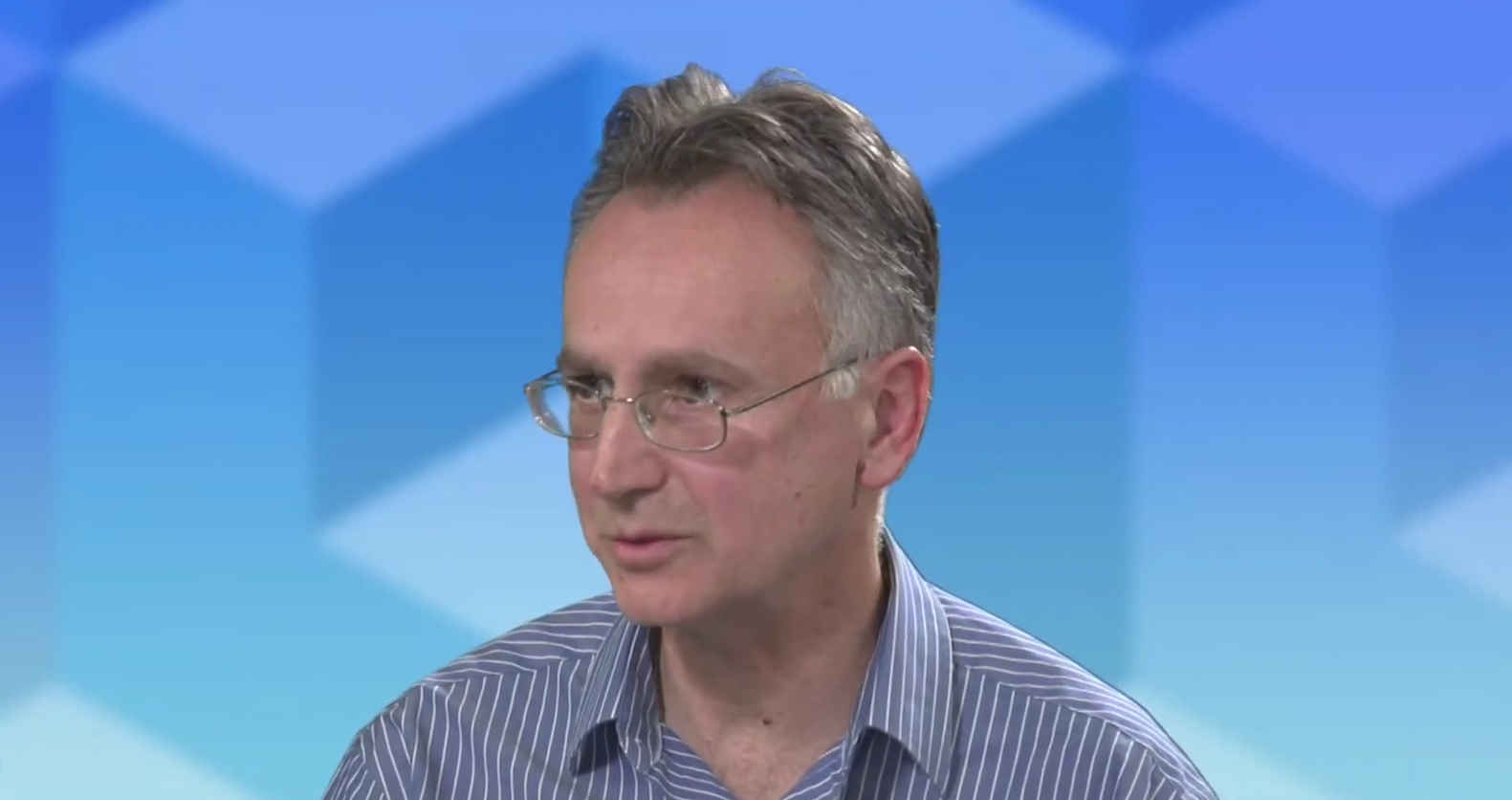
Tato recently spoke to John Furrier (@furrier), co-host of theCUBE, SiliconANGLE Media’s mobile live streaming studio, while visiting SiliconANGLE’s Palo Alto, CA, studio to discuss topics emerging from Mobile World Congress being held in Barcelona, Spain.
Furrier and Tato spoke about the function of FPGAs, as well as why their adaptability is an advantage. (*Disclosure below.)
“As you move on to 5G infrastructure, the goal is to increase the bandwidth by 100x and reduce the latency by orders of magnitude,” said Tato. As these kinds of increases present a significant challenge to chip makers, the solution cannot be in the software alone, he explained. FPGAs provide the perfect complement to software-based solutions to achieve the 5G goals.
The FPGA can be thought of as a malleable set of resources, or a fabric, with many resources in an array. Through the use of a bitstream, that fabric can be programmed to interconnect the different elements of the chip to create any function that needed; for example, a switch or a classification engine, Tato said.
The two main areas where this is useful are in data centers and in carrier infrastructure, where the workloads are constantly changing. If purpose-built equipment is purchased and used with one type of traffic in mind, it is easy for that equipment to become “stranded” when the traffic needs change, he added.
By building infrastructure that is common — commercial off-the-shelf on servers — but adding FPGA to the mix, this allows the network to be reconfigured within the cloud and address the needs of workloads at any given time, Tato concluded.
Watch the complete video interview below, and be sure to check out more of SiliconANGLE and theCUBE’s coverage of the Mobile World Congress 2017 Barcelona. (*Disclosure: Intel was the sponsor of this segment. Intel has no editorial control over content on theCUBE or SiliconANGLE.)
Support our mission to keep content open and free by engaging with theCUBE community. Join theCUBE’s Alumni Trust Network, where technology leaders connect, share intelligence and create opportunities.
Founded by tech visionaries John Furrier and Dave Vellante, SiliconANGLE Media has built a dynamic ecosystem of industry-leading digital media brands that reach 15+ million elite tech professionals. Our new proprietary theCUBE AI Video Cloud is breaking ground in audience interaction, leveraging theCUBEai.com neural network to help technology companies make data-driven decisions and stay at the forefront of industry conversations.