 NEWS
NEWS
NEWS
NEWS
NEWS

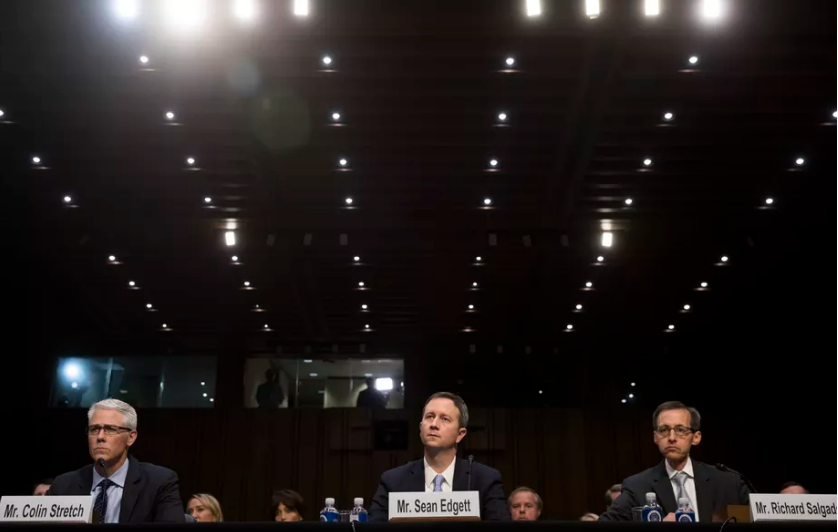
Tech executives stood in front of Congress on Tuesday for the first of three hearings to discuss the inadvertent role their platforms played in the 2016 U.S. presidential election.
Although execs from Facebook Inc., Google LLC and Twitter Inc. were all on the stand, Facebook was the main focus of criticism. Perhaps that was not too surprising given that the social media giant has already admitted that 126 million of its American users may have been served Russian propaganda before and after the election.
“During the election, they were trying to create discord between Americans, most of it directed against Clinton,” Republican Sen. Lindsey Graham told Facebook General Counsel Colin Stretch. “After the election, you saw Russian-tied groups and organizations trying to undermine President Trump’s legitimacy. Is that what you saw on Facebook?” Stretch agreed that the statement was “accurate.”
Sen. John Kennedy criticized Facebook for not having a handle on who was advertising on its platform. “You got five million advertisers, and you’re going to tell me you’re able to trace the origin of all those?” asked Kennedy.
Democratic Sen. Al Franken took a similar line of questioning: “How does Facebook, which prides itself on being able to process billions of data points and instantly transform them into personal connections for its users, somehow not make the connection that electoral ads, paid for in rubles, were coming from Russia?” he asked.
Stretch countered, saying it would be easy enough to switch currencies, to which Franken replied that Facebook should “think through this stuff a little bit better.”
Perhaps Kennedy delivered the starkest sentence that day when he told the tech execs, “Your power sometimes scares me.” He mentioned a handful of countries and asked Stretch if Facebook knew if it had collected advertising revenue from them during the elections.
Kennedy also expressed concern over privacy rights and the omnipotence of Facebook. “I sell diet pills,” he said to Stretch. “Can you put together a list for me of all teenagers who think they’re overweight?”
For the most part, executives from Google and Twitter played a minor role in the hearing, with only occasional questions directed at them. At one point Google’s General Counsel Richard Salgado did stress that the fact Google did not employ political ad targeting made the company somewhat more innocent of promoting propaganda.
Support our mission to keep content open and free by engaging with theCUBE community. Join theCUBE’s Alumni Trust Network, where technology leaders connect, share intelligence and create opportunities.
Founded by tech visionaries John Furrier and Dave Vellante, SiliconANGLE Media has built a dynamic ecosystem of industry-leading digital media brands that reach 15+ million elite tech professionals. Our new proprietary theCUBE AI Video Cloud is breaking ground in audience interaction, leveraging theCUBEai.com neural network to help technology companies make data-driven decisions and stay at the forefront of industry conversations.