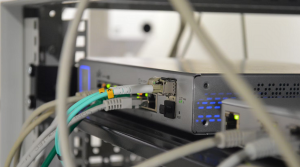



 We’ve been talking for some time on SiliconANGLE network of sites (see ServicesANGLE.com, CloudANGLE.com, and DevOpsANGLE.com) and on theCUBE on SiliconANGLE.tv about converged infrastructure. Our research team at Wikibon has been deeply researching it via their open source and crowdsourced portal at Wikibon.org. Top CIOs are going converged infrastructure in order to power the modern enterprise IT.
Converged infrastructure is the future. It’s where commodity hardware (servers, networking, and storage) all become integrated and software enables the new IT benefits – speed and performance. Converged infrastructure is what is powering the modern enterprise where apps, software, and high performances always on infrastructure is job one.
Wikibon lays out some really good advise on how to rollout convered infrastructure. David Floyer chief analyst and cofounder offers up the following action items for CIO and executives in IT. David recommends: “Simplification infrastructure projects need strong internal leadership and a strong interaction with the businesses that IT serve. External advice should be sought from IT services that have a track record of success and are independent of hardware and software suppliers.”
The Converged Infrastructure Playbook
Simplification by converging infrastructure components and the IT organization that supports them has a significant payback. In a recent case study on extreme simplification, the business benefits of taking such an approach were shown to be a reduction of 1/3 or more of the IT budget. The converged components selected were:
There are many alternative ways of skinning this cat. Cisco, EMC, HP, and others have converged infrastructure combining servers, storage, and networking. Actifio (the subject of a recent Peer Incite led by one of its resellers, Lighthouse Computer Services), Asigra, and others offer local backup appliances and cloud storage options.
Creating a DevOps organization is about combining and integration of development and operations in a single cross-trained group.
Choosing from these alternative approaches and other emerging options, and drawing integration boundaries that are suitable for an IT organization and the business it serves, is and will continue to be an extremely important process.
The advice from successful early adopters is very useful, summarized from the two references above:
The Future – Modernize or Die
IT departments have gotten a bad rap. Some still see their function as standalone and unto themselves. They’ve forgotten that they are there to provide a technology environment that supports business activity. In these environments, the CIO sometimes doesn’t even know what business initiatives are being undertaken as he is too focused on the technology. This is a really bad combination and doesn’t set up well for their future.
Enterprise CIOs are faced with new challenges as mobile now dominates the conversation around real change. Before mobile it was cloud computing which still is forcing CIOs to transform. Cloud is the business benefit to transform and mobile is the emotional reason.
People (employees) use their access to the corporate enterprise as a proxy for how relevant their workplace is. Having old tech in the hands of employees isn’t very motivating and more importantly if technology isn’t driving up revenue (and/or lowering cost) then IT will be outsourced and or replaced.
Support our mission to keep content open and free by engaging with theCUBE community. Join theCUBE’s Alumni Trust Network, where technology leaders connect, share intelligence and create opportunities.
Founded by tech visionaries John Furrier and Dave Vellante, SiliconANGLE Media has built a dynamic ecosystem of industry-leading digital media brands that reach 15+ million elite tech professionals. Our new proprietary theCUBE AI Video Cloud is breaking ground in audience interaction, leveraging theCUBEai.com neural network to help technology companies make data-driven decisions and stay at the forefront of industry conversations.