



 However, popular new forms of storage media become, affording ease of use, portability and data security, they have their challenges and, ultimately, become “a useless piece of plastic, tape or metal.” Crashplan’s recent infographic, “The Lifespan of Storage Media,” presents statistics on storage media ranging from undeveloped film in 1885 to the USB flash drive in 2000 and many other forms of computer, audio, video and photo media in between. The report details how and why past storage media failed. While cloud storage has had its limitations, the infographic puts past and future data storage in perspective to explain why the cloud is the wave of the future.
If you still have a functional 5” floppy disk from the mid to late 70s, you are most likely gentle with your media. Floppy disks of that size typically fetter out over 2 years with regular use, but have a lifespan of 30 years with extreme care. If you still have a usable zip disk, you’re probably both responsible and lucky. Zip disk users knew it was over for their data when they heard the “click of death;” repeated clicking indicated that the disk had become corrupted and all data was lost. The lifespan of zip disks with regular use is 2 years and 10 years with careful safekeeping. The best bet for computer media storage of the late 90s was the solid-state hard drive, which endures for over 100 years.
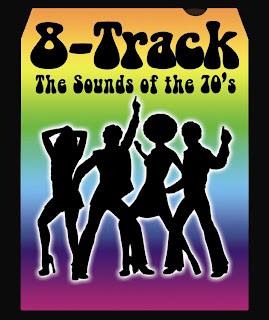
Your 8-track from the 60s could have lasted you through the 90s, given its 30 year lifespan for careful users. However, the 8-track faded away due to compatibility issues. As with reel audio tape (1930s), cassette tape (1965) and mini-disc (1992), eight tracks became an “odd format when players became very rare.” Vinyl records developed somewhere between 1881 and 1901, typically cared for gingerly, have a lifespan of 100 years.
When it comes to video media, the Super 8 film of 1965 lasts 70 years with regular use and 100 years with limited use or extreme care; as such, Super 8 film has more longevity than DVD, DVTape and VHS. The VHS Tape, developed in 1971, had the shortest lifespan of video media, ranging from only 5 to 15 years. The film in these tapes tended to rip with repeated rewinding.
Overall media tends to fail due to incompatibility over time, oxidation/chemical breakdown, magnetism, dryout and physical damage. The cloud however is fast, reliable, easily accessible and will last for lifetimes.

© 2012 Code 42 Software, Inc.
Support our mission to keep content open and free by engaging with theCUBE community. Join theCUBE’s Alumni Trust Network, where technology leaders connect, share intelligence and create opportunities.
Founded by tech visionaries John Furrier and Dave Vellante, SiliconANGLE Media has built a dynamic ecosystem of industry-leading digital media brands that reach 15+ million elite tech professionals. Our new proprietary theCUBE AI Video Cloud is breaking ground in audience interaction, leveraging theCUBEai.com neural network to help technology companies make data-driven decisions and stay at the forefront of industry conversations.