

 NEWS
NEWS
NEWS
NEWS
NEWS

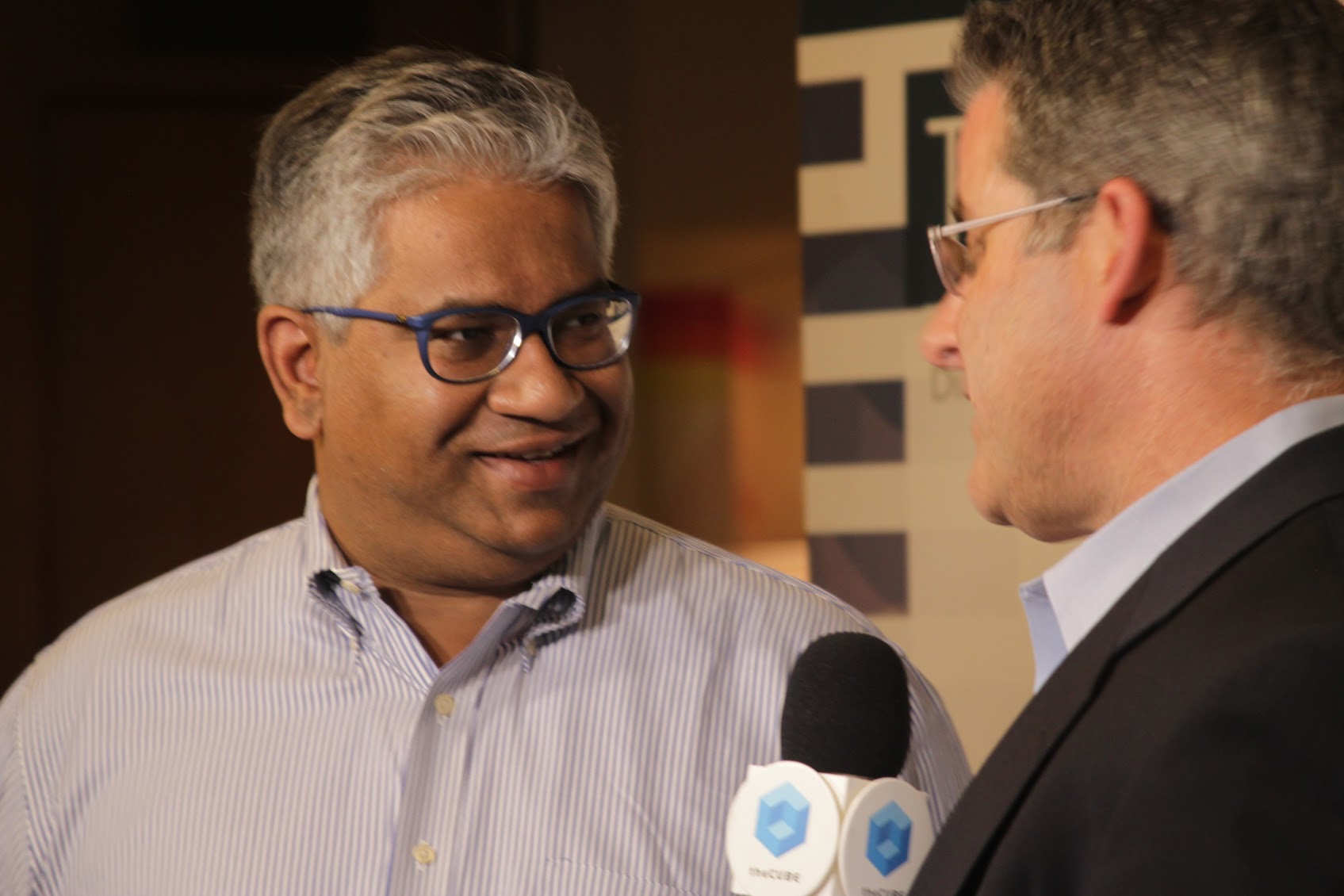
Docker, the open source container technology, was a hot topic at LinuxCon 2015. Subhendu Ghosh, senior technology strategist at Red Hat, Inc., talked about how his company is approaching the implementation of containers during theCUBE’s coverage of LinuxCon, with the SiliconANGLE Media team.
“The work that Docker has done has been really innovative, and it’s something that has definitely pushed the speed at which the technology’s getting adopted,”Ghosh explained. Red Hat began adopting containers in RHEL 6, but they’ve pushed even farther with the new release. “With RHEL 7, we introduced Docker early on, so we’ve been in production since June of last year,” he continued.
But now that containers are seeing widespread adoption, developers are discovering the next generation of issues. “You don’t have containers just by themselves. You don’t deploy a single container. What you have is a large number of containers. And so the next generation of problems is really around orchestration and security and how you manage at scale,” noted Ghosh.
How is Red Hat approaching these problems? “We’ve been participating in the Kubernetes community that Google started last year, and with Kubernetes we think that the [speed] at which we can generate new ideas around orchestration is going to be really fast,” Ghosh explained.
So far, the Kubernetes approach is working well, as is giving customers choices. “We released the first version of Kubernetes in RHEL in March of this year, and we released our PaaS platform, OpenShift, that leverages Kubernetes as well in July of this year. So we’re providing customers choices in having a raw orchestration environment with Kubernetes as well as a fully managed environment with OpenShift,” said Ghosh.
These options come alongside a larger shift in the Linux community, with a strong focus on developers. “This LinuxCon is now sort of a joint LinuxCon, ContainerCon, Cloud open, so what you’re seeing is the move beyond the core kernel infrastructure, if you will, of what Linux has traditionally been into more of the developer-centric tools and technologies,” concluded Ghosh.
See the entire video interview below.
Photo by SiliconANGLE
Support our mission to keep content open and free by engaging with theCUBE community. Join theCUBE’s Alumni Trust Network, where technology leaders connect, share intelligence and create opportunities.
Founded by tech visionaries John Furrier and Dave Vellante, SiliconANGLE Media has built a dynamic ecosystem of industry-leading digital media brands that reach 15+ million elite tech professionals. Our new proprietary theCUBE AI Video Cloud is breaking ground in audience interaction, leveraging theCUBEai.com neural network to help technology companies make data-driven decisions and stay at the forefront of industry conversations.