

 APPS
APPS
APPS
APPS
APPS

The Mozilla Foundation this morning rolled out a new release of Firefox aimed at providing an alternative to Google Inc.’s Chrome for large enterprises.
The upgrade brings several significant enhancements, chief of which is a configuration mechanism for customizing employees’ browser installations. The addition is designed mainly to help organizations shield their workers from malicious websites and other online threats.
With the new customization feature, an administrator can enforce restrictions on what users may and may not do. Firefox now provides the ability to block suspect websites and plugins, as well as disable features that don’t align with a company’s security policy. A firm might, say, wish to prevent workers from accessing browser’s configuration management console to ensure that security settings are enforced consistently.
On top of disabling unwanted features, companies can customize the ones that they do require. For example, an administrator may have Firefox clear all data after a worker closes the browser to prevent that worker from staying logged into important applications. It’s also possible to preinstall a selection of vetted plugins and bookmarks to work-related services.
Companies have two ways of implementing custom configurations. They may use the Group Policy management tool on Windows or, if they require Mac and Linux support too, bundle policy definitions into a JSON file. This customizability puts Firefox on more even ground against the security-focused commercial version of Chrome that Google offers for businesses.
Alongside the configuration tool, the release has several other new features that should come handy for companies and consumers alike. To start, it brings support for the WebAuthn standard, which lets users log into compatible web services with a physical security key that can’t be stolen remotely like a traditional password.
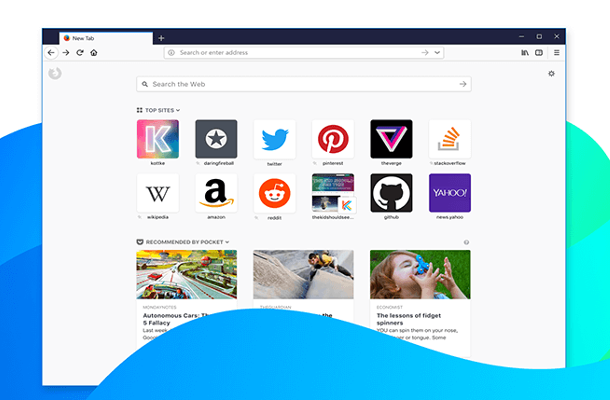
Mozilla has also taken the opportunity to update the New Tab view. The revamped page brings an expanded Top Sites sections with room for eight websites instead of six, plus a change to the Pocket reading suggestion tool. It will now display sponsored links among the usual recommendations, an attempt by the not-for-profit Mozilla to create a new source of income to support its work.
Support our mission to keep content open and free by engaging with theCUBE community. Join theCUBE’s Alumni Trust Network, where technology leaders connect, share intelligence and create opportunities.
Founded by tech visionaries John Furrier and Dave Vellante, SiliconANGLE Media has built a dynamic ecosystem of industry-leading digital media brands that reach 15+ million elite tech professionals. Our new proprietary theCUBE AI Video Cloud is breaking ground in audience interaction, leveraging theCUBEai.com neural network to help technology companies make data-driven decisions and stay at the forefront of industry conversations.