 EMERGING TECH
EMERGING TECH
EMERGING TECH










EMERGING TECH

The Car Connectivity Consortium, a previously little-known group that has among its members Apple Inc., Samsung Electronics Co. Ltd. and a number of car manufacturers today announced a new standard for communication between smartphones and cars.
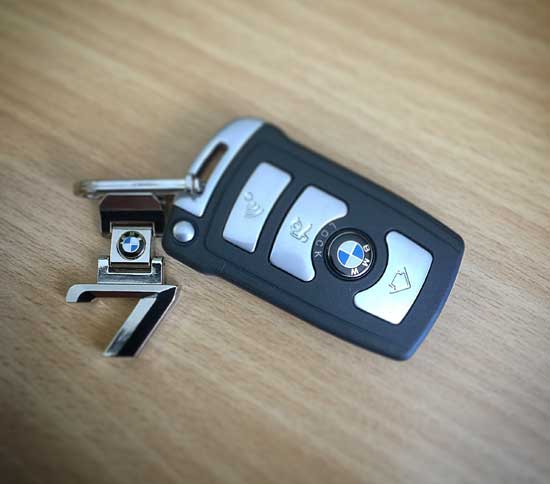
Called the Digital Key Release 1.0 specification, the standard enables drivers to download a digital key onto their smart devices to access a vehicle, that is in place of an actual car key or fob.
“The Digital Key specification was developed in order to create a robust ecosystem around interoperable digital key use cases, including allowing drivers to lock, unlock, start the engine, and share access to their car – all from their smart devices,” the group said in a statement.
What the specification does is establish a standard for near-field communication used by digital keys that allow access to a vehicle. By creating a standard wherein all members of the organization implement the same method with their key access technology, smartphones will then be able to implement NFC access to those vehicles through both hardware and software.
The organization’s complete membership remains somewhat of a mystery given that its membership page is blank. The consortium claims it has 75 members and is growing, and the media release mentions Apple; Samsung; LG Electronics Inc.; Panasonic Corp.; Bayerische Motoren Werke AG (BMW); General Motors Co.; Hyundai Motor Co; both Audi and Volkswagen, Qualcomm Inc. and a few others. But that list doesn’t come to 75 members.
The organization also lacks among its members are major car manufacturers such as Toyota Motor Corp., the world’s largest car maker, along with a range of other top 10 car makers, including Ford Motor Co., Nissan Motor Co., Honda Motor Co. Ltd. and Fiat Chrysler Automobiles N.V. So even if the standard looks good on paper, it won’t mean all that much if it isn’t widely adopted.
A second release of the standard, Release 2.0, is scheduled for the first quarter of 2019, perhaps giving the organization six more months to increase its membership base.
Support our mission to keep content open and free by engaging with theCUBE community. Join theCUBE’s Alumni Trust Network, where technology leaders connect, share intelligence and create opportunities.
Founded by tech visionaries John Furrier and Dave Vellante, SiliconANGLE Media has built a dynamic ecosystem of industry-leading digital media brands that reach 15+ million elite tech professionals. Our new proprietary theCUBE AI Video Cloud is breaking ground in audience interaction, leveraging theCUBEai.com neural network to help technology companies make data-driven decisions and stay at the forefront of industry conversations.