
 INFRA
INFRA
INFRA
INFRA
INFRA

The hospitality industry has become the favorite target of botnets and distributed denial-of-service attacks. That’s the surprising takeaway from a report released today by Akamai Technologies Inc.
The Summer State of the Internet Security report, which delved into cyberattack trends for the six-month period from November 2017 through April 2018, reveals the importance of maintaining agility not only by security teams but also by developers, network operators and service providers to mitigate new threats.
Akamai measured a 16 percent increase in the number of DDoS attacks recorded versus the previous six months. The largest attack during the period set a new record at 1.35 Tbps by using the memcached reflector attack.
The forms of attack changed as well, with a 38 percent increase in application-layer attacks such as SQL injection or cross-site scripting. Meanwhile, those behind the attacks continue to apply new, advanced techniques that “show the influence of intelligent, adaptive enemies who change tactics to overcome the defenses in their way.”
For the hospitality industry, Akamai researchers analyzed nearly 112 billion bot requests and 3.9 billion malicious login attempts that targeted sites in the industry, including airlines, cruise lines and hotels. A full 40 percent of the traffic seen across hotel and travel sites was classified by the researchers as “impersonators of known browsers,” a known vector for fraud. The hospitality industry as whole is now experiencing more credential abuse attacks than other sectors, notably the finance industry that has long been the No. 1 target for hackers.
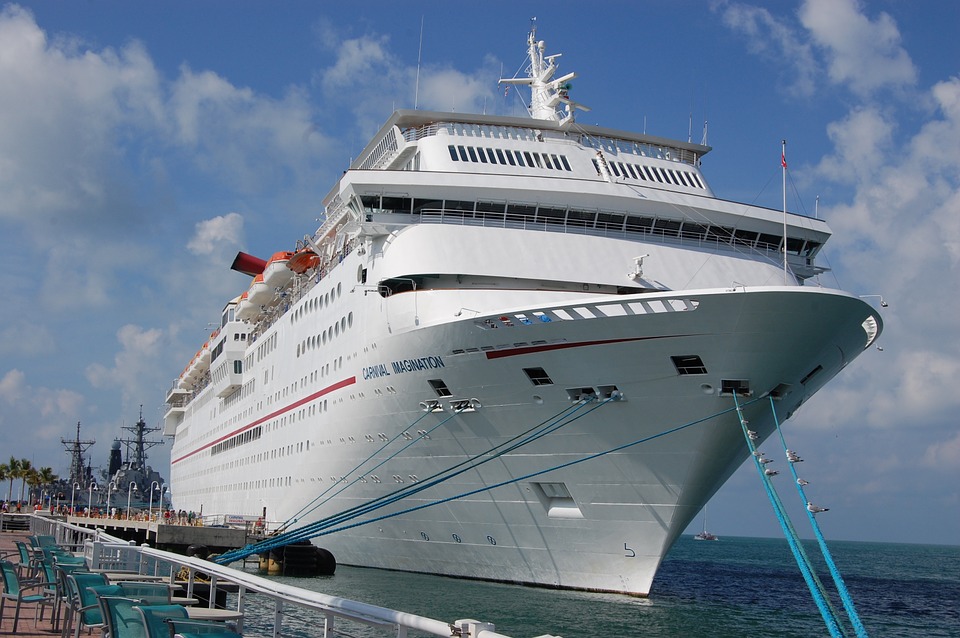
If the hospitality industry now leading the pack when it comes to DDoS attacks is surprising, even stranger is that cruise lines in particular are the largest target. Akamai said it captured 50 billion bot requests targeting cruise line customers over the period of the report, twice the connections of airlines and hotels. Retail targets saw just shy of 800 million bot events over the same six-month period.
Not surprisingly, the report’s authors predict an increasing number of attacks in the future. “Don’t be surprised to see larger, more destructive DDoS attacks before the end of 2018” as “bandwidth keeps growing and Internet connectivity continues to extend into every region of the world.”
Support our mission to keep content open and free by engaging with theCUBE community. Join theCUBE’s Alumni Trust Network, where technology leaders connect, share intelligence and create opportunities.
Founded by tech visionaries John Furrier and Dave Vellante, SiliconANGLE Media has built a dynamic ecosystem of industry-leading digital media brands that reach 15+ million elite tech professionals. Our new proprietary theCUBE AI Video Cloud is breaking ground in audience interaction, leveraging theCUBEai.com neural network to help technology companies make data-driven decisions and stay at the forefront of industry conversations.