



 POLICY
POLICY
POLICY
POLICY

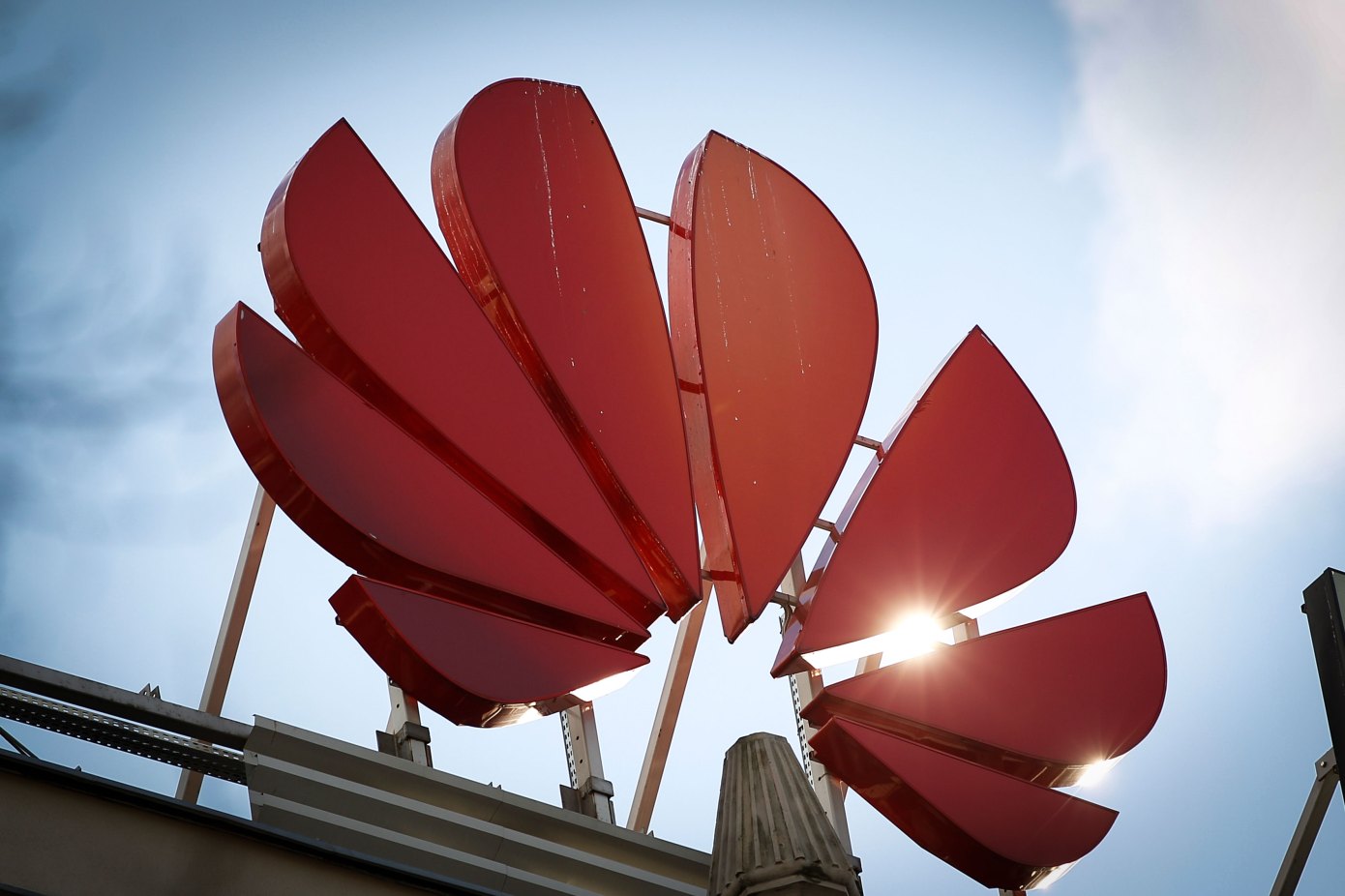
China’s Huawei Technologies Co. Ltd. is preparing to file a lawsuit against the U.S. government over a decision to ban it from seeking government contracts.
The lawsuit relates to an addition to the U.S. National Defense Authorization Act that went into effect last year, the New York Times reported today. The updated act prevents U.S. government agencies from signing contracts with several Chinese firms, including Huawei, and strengthens the role of a government panel tasked with reviewing foreign investment proposals.
The Times cited “two people familiar with the matter” as saying that Huawei will argue that the new NDAA provision is a “bill of attainder” that singles out certain individuals or groups for punishment without trial.
Reuters reported that Huawei declined to comment on the reports but has invited media to a press conference at its Shenzhen, China, headquarters scheduled for Thursday.
If the lawsuit happens, it would be the latest response from Huawei in what seems to be a rapidly escalating fight with the U.S. government. Washington officials for months now have been trying to persuade allied countries to stop buying Huawei’s equipment, citing risks that it could be used to facilitate espionage. Huawei has repeatedly denied claims that it could pose a risk, pointing out that the U.S. government has never shown any solid evidence of this.
“The fight is all about the 5G gear that the world will need,” Holger Mueller, principal analyst and vice president of Constellation Research, told SiliconANGLE. “Regulators will be well-advised to prove why they exclude Huawei. In the meantime, Huawei has all the right to sue against what they see as an unfair process.”
Analyst Rob Enderle of the Enderle Group told SiliconANGLE that even if the U.S. did have proof of its allegations, it would also have to show that any exploit was introduced by Huawei itself and not by a third party.
“Huawei didn’t get due process — the government went from allegation to punishment — so the bill of attainder would likely apply,” Enderle said. Huawei’s decision to sue would actually be better for the U.S. government, however, since China’s only other recourse would be to introduce a reciprocate ban on American firms, Enderle said.
“The Chinese market is slated to grow by multiples over the next ten years, and China could emulate the U.S. approach by locking its tech vendors out,” Enderle said. “But I think Huawei has a strong case and so this approach is better for the U.S. than a Chinese response in kind.”
The move comes just days after lawyers for Huawei Chief Financial Officer Meng Wanzhou said they were suing Canada’s government, border agency and federal police for violating her constitutional rights. Meng had been arrested by Canadian authorities last December at the request of U.S. officials who allege that she helped Huawei to sidestep sanctions that prevent the sale of equipment to Iran.
Canada on Friday approved a hearing for a U.S. extradition request. Meng is currently out on bail pending that hearing.
Support our mission to keep content open and free by engaging with theCUBE community. Join theCUBE’s Alumni Trust Network, where technology leaders connect, share intelligence and create opportunities.
Founded by tech visionaries John Furrier and Dave Vellante, SiliconANGLE Media has built a dynamic ecosystem of industry-leading digital media brands that reach 15+ million elite tech professionals. Our new proprietary theCUBE AI Video Cloud is breaking ground in audience interaction, leveraging theCUBEai.com neural network to help technology companies make data-driven decisions and stay at the forefront of industry conversations.