







 BIG DATA
BIG DATA
BIG DATA

BIG DATA

Marketing has changed drastically over the past few years in response to the growing digital transformation. In order to survive, more companies who were largely brick and mortar or invested in traditional forms of marketing have been forced to innovate and translate their presence into an increasingly mobile and online world.
So what is the biggest marketing trend that continues to be effective through the tech evolution? It has to do with the personalization around data.
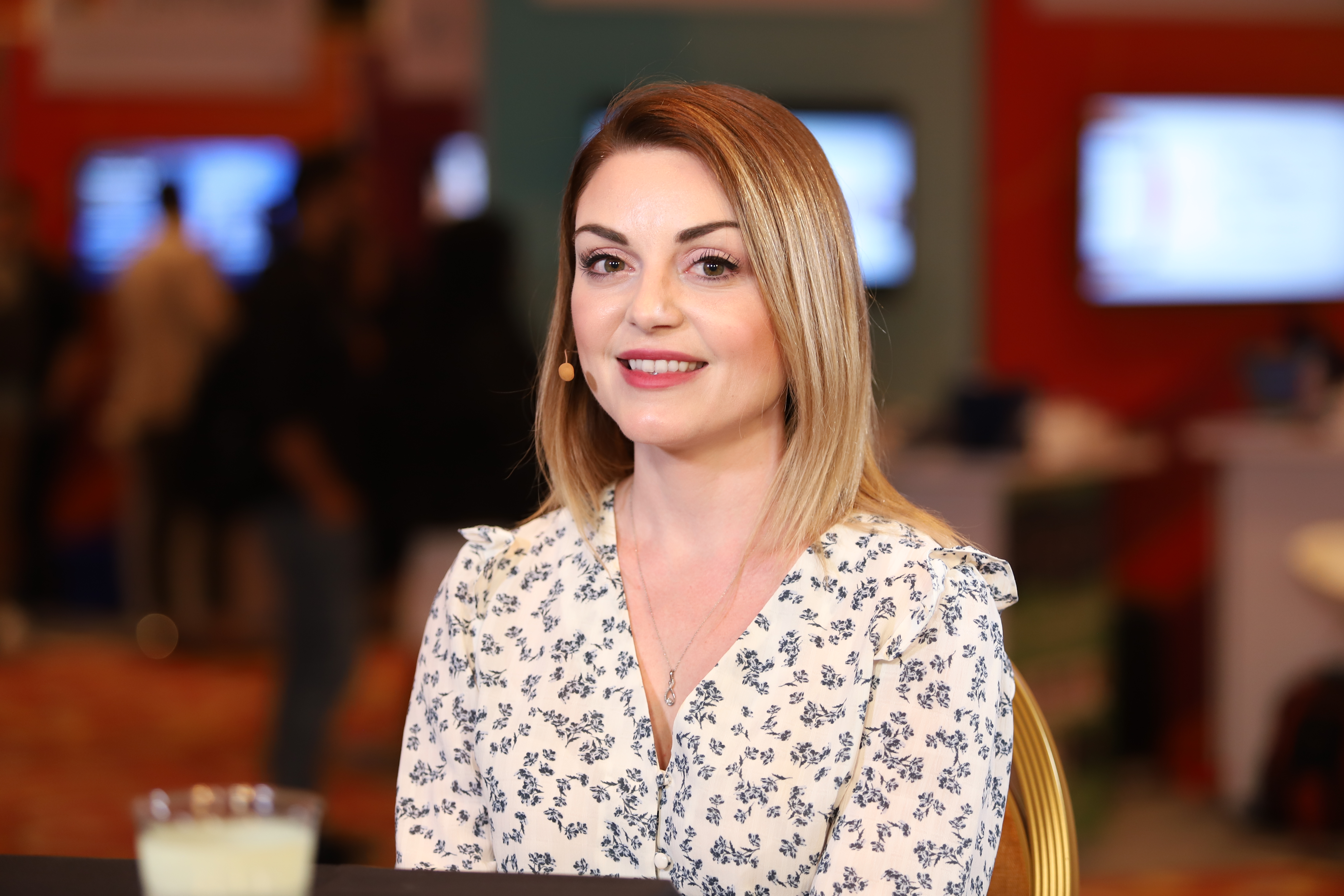
“I think that the personalization piece is such an important one,” said Tina Mulqueen (pictured), e-commerce expert and a writer for Forbes and Digital Trends. “It’s now getting to where we need to personalize more on the marketing … no matter what channel it is.”
Mulqueen spoke with Jeff Frick (@JeffFrick) and Lisa Martin (@LisaMartinTV), co-hosts of theCUBE, SiliconANGLE Media’s mobile livestreaming studio, during the Imagine event in Las Vegas. They discussed personlization of marketing through micro-influencers, data analyzation, and omnichannel approaches (see the full interview with transcript here). (* Disclosure below.)
Personalization in marketing to an individual comes in a variety of ways. One of the big ways is through micro-influencers, according to Mulqueen. While using influencers has been trendy, marketing has seen a push away from huge celebrity influencers because many consumers don’t see it as authentic. They want to see down-to-earth people they interact with online using products they actually like.
A case study that highlights this approach is one from a Sephora USA Inc. cosmetics line called Becca, according to Mulqueen. Becca reached out to a YouTube channel influencer named Jacklyn Hill who was organically loving their products and promoting them already. Becca collaborated with this YouTuber to create a line of products of her own.
“I think they sold out within the first hour when they actually went live with the product line,” Mulqueen said. “So that’s a great example of how to engage with an influencer that is organically using your brand and making sure that you’re also including their audience in … the iteration of the product, because then the audience of the influencer is also invested.”
This case study also highlights the usage of analytic platforms to help analyze data, as Mulqueen pointed out. If someone isn’t checking the mass of data about their customers and noticing where their products are naturally coming from (such as traffic from Hill’s YouTube site), they will miss out on key hints as to how to market their products in an authentic way. This plays out with email marketing and other e-commerce efforts to make sure that each individual is actually interested in what’s being promoted.
“I hear often from clients … that they’ve invested in these platforms that will sort of try to analyze the data, but they’re not doing anything with that data,” Mulqueen concluded. “If you don’t have a strategy on how you’re going to implement … what you’re learning from your consumers, then it ends up falling flat.”
Watch the complete video interview below, and be sure to check out more of SiliconANGLE’s and theCUBE’s coverage of the Imagine 2019 event. (* Disclosure: TheCUBE is a paid media partner for the Imagine 2019 event. Neither Adobe Inc., the sponsor for theCUBE’s event coverage, nor other sponsors have editorial control over content on theCUBE or SiliconANGLE.)
Support our mission to keep content open and free by engaging with theCUBE community. Join theCUBE’s Alumni Trust Network, where technology leaders connect, share intelligence and create opportunities.
Founded by tech visionaries John Furrier and Dave Vellante, SiliconANGLE Media has built a dynamic ecosystem of industry-leading digital media brands that reach 15+ million elite tech professionals. Our new proprietary theCUBE AI Video Cloud is breaking ground in audience interaction, leveraging theCUBEai.com neural network to help technology companies make data-driven decisions and stay at the forefront of industry conversations.