

 AI
AI
AI
AI

AI

Will artificial intelligence take away jobs? The answer, according to one college professor, is quite possibly, but it will take a while and the full impact may not be as great as expected because it will have become a more ingrained and accepted part of daily life.
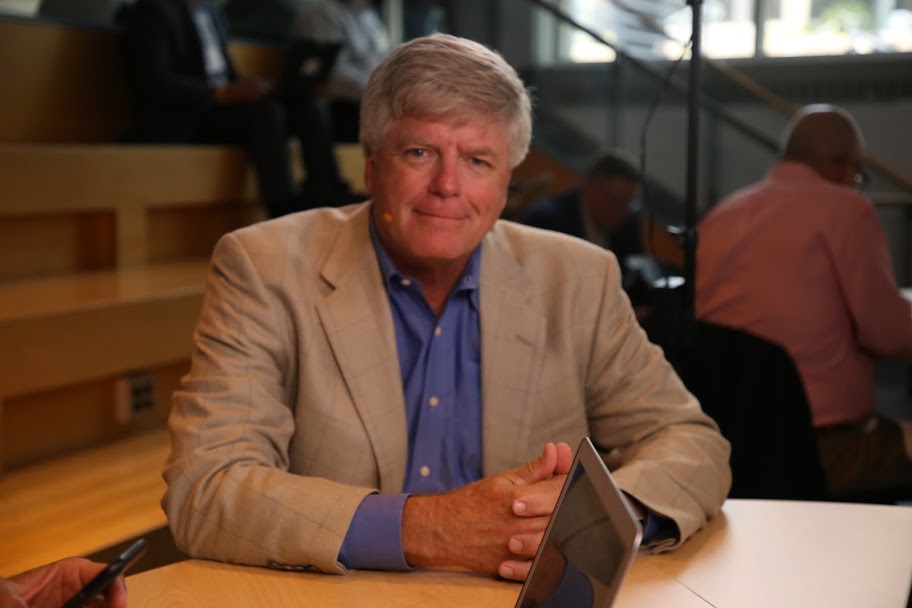
That’s one of the beliefs offered by Tom Davenport (pictured), distinguished professor at Babson College in his latest book, “The AI Advantage.”
“For every new technology, we tend to overestimate its impact in the short run and underestimate its impact in the long run,” said Davenport, citing a maxim previous developed by futurist Roy Amara. “I think AI will end up doing great things. We may have tuned it out by the time it actually happens.”
Davenport spoke with Dave Vellante and Paul Gillin, co-hosts of theCUBE, SiliconANGLE Media’s mobile livestreaming studio, during the MIT CDOIQ Symposium in Cambridge, Massachusetts. They discussed the future impact of AI for employers and employees and how the technology could influence upcoming elections (see the full interview with transcript here).
Despite the long journey to widespread adoption for AI, there is plenty of evidence that it will ultimately play a major role in transforming the employment picture, especially in the U.S. economy.
“I have some survey data suggesting that senior executives in large U.S. corporations, more than half, would like to automate as many jobs as possible,” Davenport noted. “If you’re in one of those jobs where a substantial chunk of it is automatable, then you’ll really want to start looking around and think about what else you can do to add value to these machines.”
AI may have a more immediate impact on another sector of U.S. society: elections. The rise of deep fakes, use of AI to create completely fabricated speech and images, is becoming an area of concern in advance of state and national elections next year.
“Deep fakes I’m quite worried about,” Davenport said. “Certainly, by the time the elections happen, we’re going to have all sorts of political candidates saying things that they never really said through deep fakes and image manipulation. Scary.”
Here’s the complete video interview, part of SiliconANGLE’s and theCUBE’s coverage of the MIT CDOIQ Symposium:
Support our mission to keep content open and free by engaging with theCUBE community. Join theCUBE’s Alumni Trust Network, where technology leaders connect, share intelligence and create opportunities.
Founded by tech visionaries John Furrier and Dave Vellante, SiliconANGLE Media has built a dynamic ecosystem of industry-leading digital media brands that reach 15+ million elite tech professionals. Our new proprietary theCUBE AI Video Cloud is breaking ground in audience interaction, leveraging theCUBEai.com neural network to help technology companies make data-driven decisions and stay at the forefront of industry conversations.