


 CLOUD
CLOUD
CLOUD
CLOUD
CLOUD

Microsoft Corp. today made a timely addition to Office 365 in the form of new Microsoft Teams features for the healthcare sector designed to ease the delivery of virtual care.
The update is joined by new patient data management capabilities in Azure.
Microsoft Teams is the technology giant’s workplace communications and collaboration service. It’s getting a new app, Bookings, that healthcare professionals can use to schedule virtual appointments with patients via the service’s built-in videoconferencing system. Virtual care delivery models have been steadily gaining steam in recent years and the coronavirus outbreak is driving even more hospitals to embrace the practice.
The new Bookings allows medical professionals to view upcoming virtual appointments in a calendar inside the Microsoft Teams interface. From the same calendar, they can schedule new appointments and send patients automatic reminders ahead of a checkup.
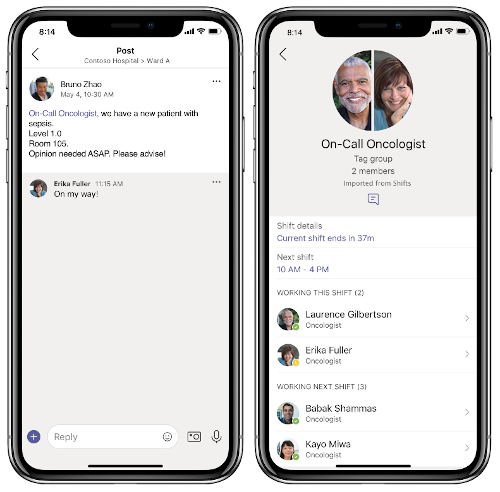
Microsoft Teams is also used by healthcare providers to coordinate the delivery of in-person care. With this use case in mind, the company is adding a second feature to the service that allows medical professionals to have their messages automatically sent to the doctor on call at any given time. The goal is to free up time spent “trying to identify the correct contact information for healthcare staff members,” explained Microsoft Corporate Vice President Emma Williams.
Alongside the Microsoft Teams update, the company is enhancing Azure API for FHIR. This offering is an application programming interface that enables healthcare organizations to import electronic healthcare records stored in the industry-standard FHIR format into Azure.
Microsoft is rolling out an integration that will make it possible to directly export healthcare records from the cloud platform to its Power BI data visualization and analysis tool. The company has also developed a second integration, the IoMT FHIR Connector, that can be used to import data from medical devices into Azure in the FHIR format.
“Frictionless exchange of health information in FHIR makes it easier for researchers and clinicians to collaborate, innovate and improve patient care,” Peter Lee, Microsoft’s corporate vice president of healthcare, wrote in a blog post co-authored with other executives from the company’s healthcare business.
Support our mission to keep content open and free by engaging with theCUBE community. Join theCUBE’s Alumni Trust Network, where technology leaders connect, share intelligence and create opportunities.
Founded by tech visionaries John Furrier and Dave Vellante, SiliconANGLE Media has built a dynamic ecosystem of industry-leading digital media brands that reach 15+ million elite tech professionals. Our new proprietary theCUBE AI Video Cloud is breaking ground in audience interaction, leveraging theCUBEai.com neural network to help technology companies make data-driven decisions and stay at the forefront of industry conversations.