

 CLOUD
CLOUD
CLOUD
CLOUD

CLOUD

Enterprise is looking toward a future shaped by the COVID-19 pandemic. As both businesses and employees adapt to a new way of working, studies show that remote productivity rivals, and even beats, productivity achieved in a traditional office environment.
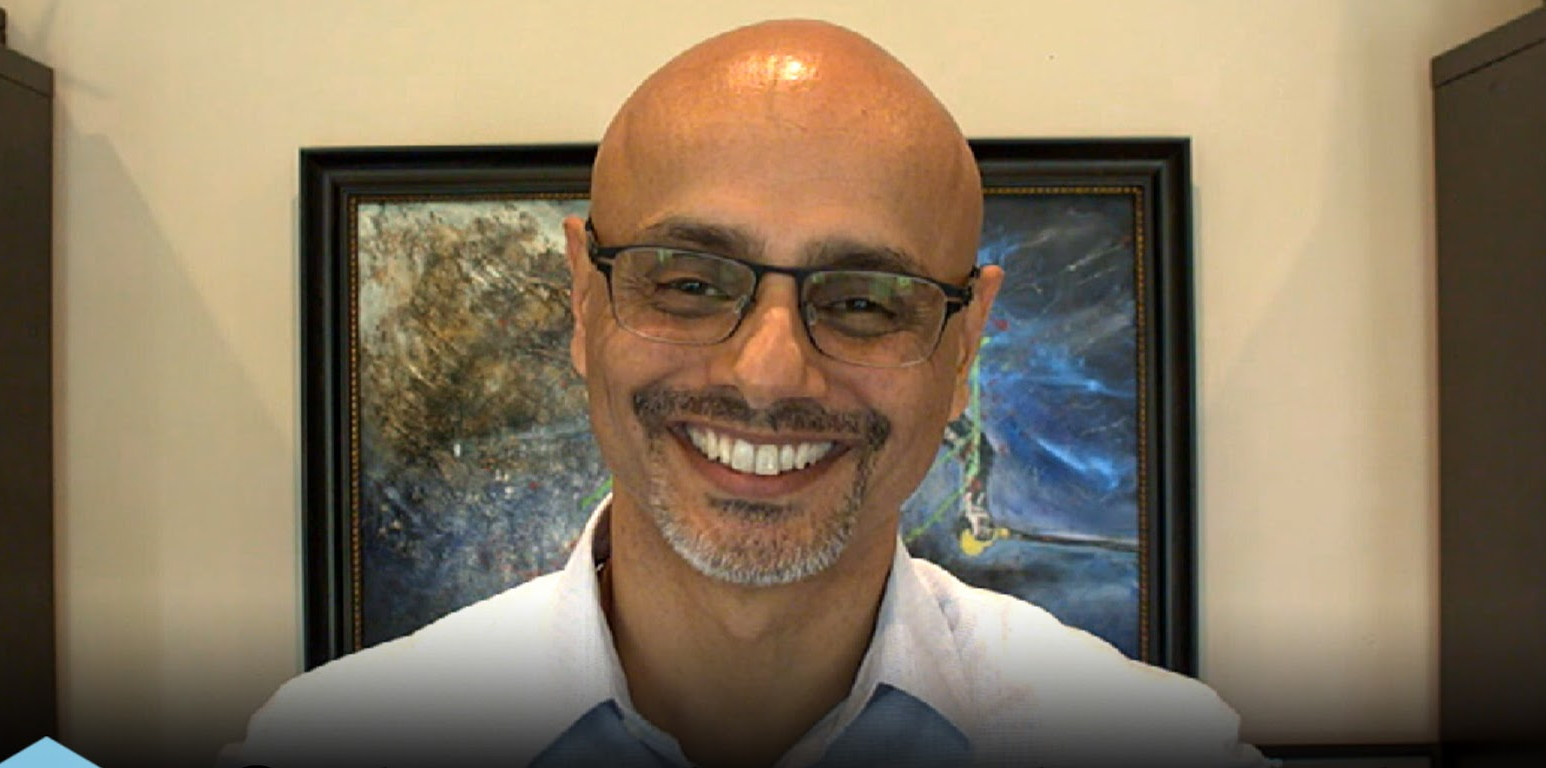
“We’re finding that people are more efficient, quality is better and engagement is better with remote working,” said Saleem Janmohamed (pictured), market unit lead, U.S. West, at Accenture PLC. “I don’t think we go back to the old normal, which was five days a week in the office.”
Janmohamed spoke with Jeff Frick, co-host of theCUBE, SiliconANGLE’s mobile livestreaming studio via remote feed from theCUBE’s studio in Palo Alto, California. They discussed the ongoing effects of COVID-19 on workplace culture and the action steps companies need to take in order to stay relevant as the workplace becomes remote first.
After more than three decades working in Accenture’s communications, media and technology group, Janmohamed has been at the forefront of digital transformation from day one. The company itself was well-positioned when the coronavirus hit.
“Early on we invested in remote infrastructure, cloud technologies, really allowing our people to work on client sites at home, in our offices around the world, and to be able to collaborate and communicate in that fashion,” Janmohamed said.
Accenture has been a virtual organization from the beginning, and although legally headquartered in Ireland, the company spreads operations across the globe. “We don’t really have a headquarters,” he said. “Our leadership team is distributed all over the world, and a lot of our workforce is actually mobile.
“Only 10% of companies have the cloud advantage that Accenture has, according to Janmohamed. “COVID has really actually created a greater separation between the leaders and the laggards [in digital transformation],” he said. And that top 10% have “expanded the gap” to create “lasting value for their shareholders through that infrastructure investment.”
But the digital race isn’t cutthroat. Accenture is focused on helping others catch up; and they are running fast. “We’ve seen more digital transformation happen in the last three months than we have seen in the last 10 years,” Janmohamed said.
Getting the right technology in place is obviously the basic foundation required for digital transformation. But beyond data center virtualization and moving workloads to the cloud comes a reframing of the actual work processes themselves. Once again, COVID-19 has forced this to happen, and happen fast.
“Three months ago if you had asked most of the executives that we talk to, ‘Can you actually run your company remotely?’ most would have answered no,” Janmohamed said. “What we’ve proven over the last three months is, in fact, that’s possible.”
There are many technologies available to help businesses quickly create a remote work environment, according to Janmohamed. He gives the example of how Accenture leveraged Microsoft Inc.’s Teams app to help the United Kingdom’s National Health Service go from zero virtual technology to up and running with a remote workforce in a little over a week.
“You can move quickly leveraging the investments in infrastructure that service providers have made over the years,” Janmohamed said.
Now the challenge is to make that change lasting. That means businesses will need to adapt and reconcile processes “across the organization from selling to customer care, to marketing and to operations, and even in some cases manufacturing,” he said.
That requires top-down involvement: “The C-suite and the board of our clients really need to see the strategic imperative of making that change in order to be able to facilitate the change through the organization,” Janmohamed said.
Bringing people into the equation expands that into rethinking the workplace culture so that the new processes are supported. And when the workforce becomes remote, “it requires an engagement model change,” Janmohamed said. He sees the future as a “hybrid between physical interaction and digital interaction.”
One way to do this is with a mix of hours spent working from home and on-site. “Our sense is that there’s going to be a much more hybrid environment where it’s going to be perfectly fine for folks to be working from home two or three days a week and then going to the office where it’s necessary to collaborate in a physical way,” he said.
Taking the hybrid workplace a step further, Accenture’s Zurich office is working on a way for team members to interact in the workplace without requiring the commute. The team has created a three-dimensional replica of the Accenture San Francisco Hub in which employees can collaborate using virtual reality.
Creating VR workplaces is definitely a cool project; and with its remote strategy firmly established, Accenture can afford to spend time on innovation that will benefit its clients down the road. Right now, companies that are not digitally prepared should be focused on putting in place the infrastructure to make that happen, according to Janmohamed.
“We don’t know how long this is going to last,” he said. “We don’t know what the next wave might look like. Mobile technology, cloud technology and the ability to digitize your business and your economy are critical success factors for the future.”
Here’s the complete video interview, one of many CUBE Conversations from SiliconANGLE and theCUBE:
Support our mission to keep content open and free by engaging with theCUBE community. Join theCUBE’s Alumni Trust Network, where technology leaders connect, share intelligence and create opportunities.
Founded by tech visionaries John Furrier and Dave Vellante, SiliconANGLE Media has built a dynamic ecosystem of industry-leading digital media brands that reach 15+ million elite tech professionals. Our new proprietary theCUBE AI Video Cloud is breaking ground in audience interaction, leveraging theCUBEai.com neural network to help technology companies make data-driven decisions and stay at the forefront of industry conversations.