




 INFRA
INFRA
INFRA
INFRA
INFRA

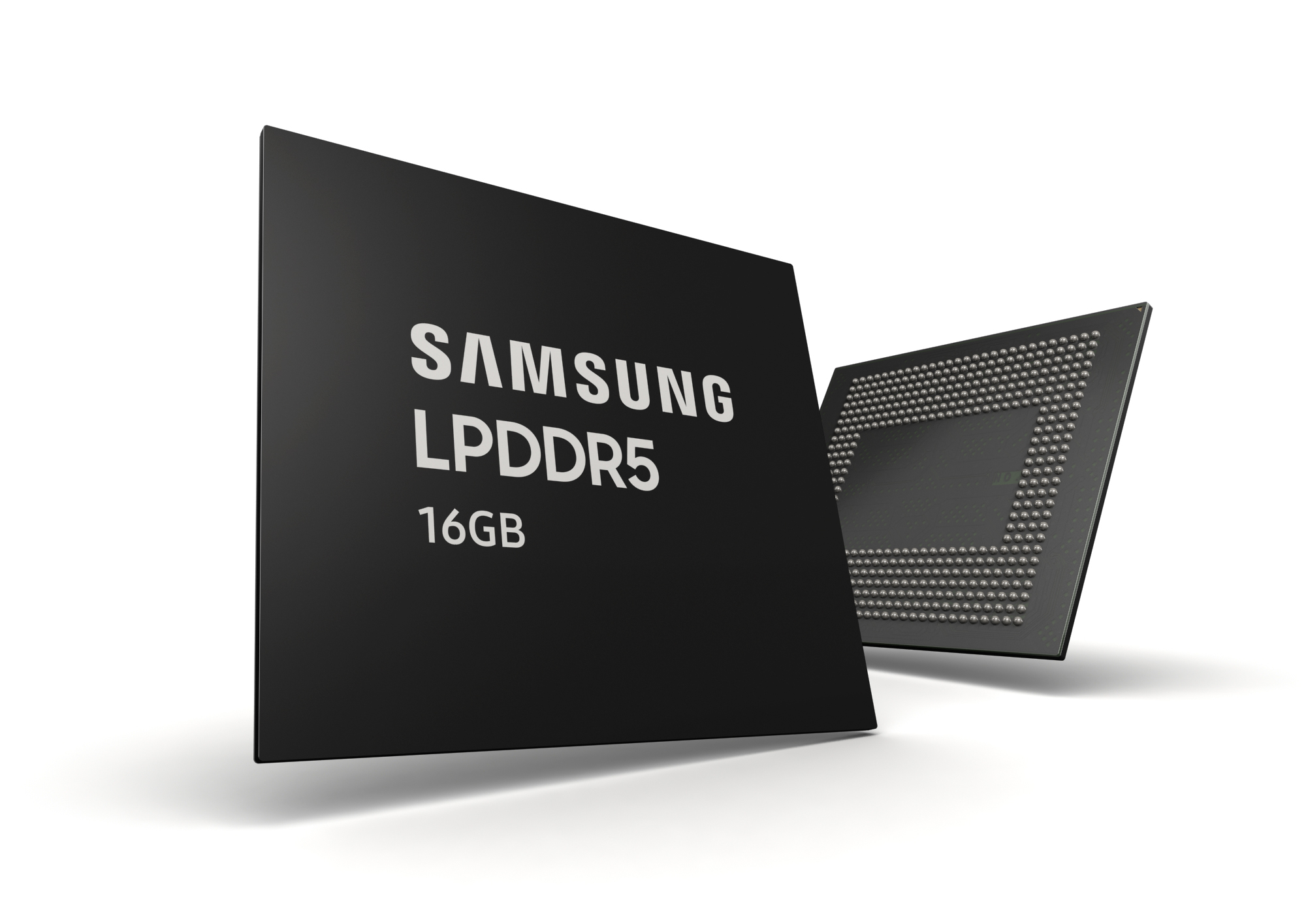
Samsung Electronics Co. Ltd. said today it has begun mass production of its most advanced dynamic random-access memory chips yet.
The 16-gigabyte LPDDR5 DRAM chip is designed for mobile devices and is being manufactured at the company’s Pyeongtaek plant in South Korea, using a new process called extreme ultraviolet lithography. That process involves using lasers and light-sensitive chemicals to etch silicon, and overcomes a “major developmental hurdle” in scaling RAM, providing much greater room for the industry to grow.
The South Korean tech giant is the leader of the global DRAM market, and the advent of the new chips makes it likely that the company will be able to extend that lead. “This is a major breakthrough as EUV technology reduces the cost of silicon by reducing the amount of passes it takes to etch a wafer,” said Patrick Moorhead, president and principal analyst at Moor Insights & Strategy.
It’s an important market for Samsung too, since the memory chip business accounts for about two-thirds of its overall revenue, dwarfing other businesses such as its smartphone unit and its household appliance division.
Samsung said the EUV manufacturing process results in a chip that is 30% thinner than its previous-generation chips. But despite the smaller size, the chips are also faster, averaging data transfer rates of 6,400 megabits per second. That means it can send 51.2GB of data, or the equivalent of 10 5GB movies, in just a second.
“The 1z-based 16Gb LPDDR5 elevates the industry to a new threshold, overcoming a major developmental hurdle in DRAM scaling at advanced nodes,” said Jung-Bae Lee, executive vice president of DRAM Product & Technology at Samsung. “We will continue to expand our premium DRAM lineup and exceed customer demands, as we lead in growing the overall memory market.”
Samsung said it will combine eight of the new chips to form a 16GB RAM package that’s intended for the next generation of premium smartphones due to arrive in 2021. The smaller size of the chips will mean either slimmer smartphone designs or more room for other components such as batteries and cameras. In addition, new smartphones based on the 16GB LPDDR5 will have more significantly more headroom for running simultaneous apps and performing more demanding tasks.
Samsung is also eyeing the automotive industry, where the new chips could be used to power faster and more powerful infotainment systems.
Support our mission to keep content open and free by engaging with theCUBE community. Join theCUBE’s Alumni Trust Network, where technology leaders connect, share intelligence and create opportunities.
Founded by tech visionaries John Furrier and Dave Vellante, SiliconANGLE Media has built a dynamic ecosystem of industry-leading digital media brands that reach 15+ million elite tech professionals. Our new proprietary theCUBE AI Video Cloud is breaking ground in audience interaction, leveraging theCUBEai.com neural network to help technology companies make data-driven decisions and stay at the forefront of industry conversations.