 POLICY
POLICY
POLICY









POLICY

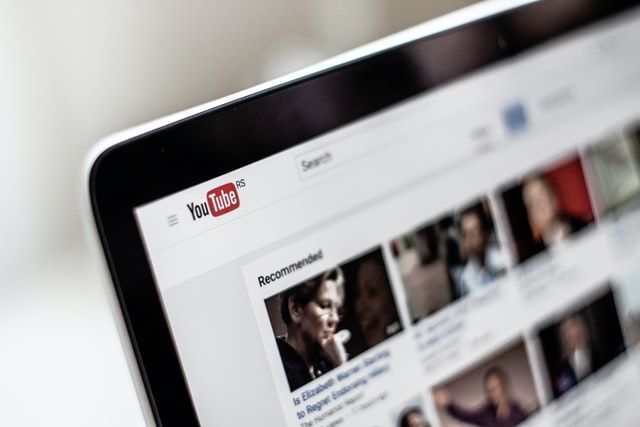
A letter signed today by more than 80 global fact-checking groups said Google LLC-owned YouTube is one of the “major conduits of online disinformation and misinformation worldwide.”
The letter, addressed to YouTube Chief Executive Susan Wojcicki, was signed by organizations in 46 countries and included the U.S.-based Washington Post fact-checker as well as FactCheck.org, France’s Science Feedback, Africa Check and the U.K.’s Full Fact.
They all agreed that YouTube’s strategy to fight misinformation is “insufficient.” The letter asked that YouTube increase measures to prevent channels from making money on YouTube if they spread such information, and do more to debunk or add more context to certain dubious narratives that appear on the platform. It also asks that YouTube design its algorithm better to prevent certain types of content from being promoted.
“YouTube is allowing its platform to be weaponized by unscrupulous actors to manipulate and exploit others, and to organize and fundraise themselves,” said the letter. “We urge you to take effective action against disinformation and misinformation, and to elaborate a roadmap of policy and product interventions to improve the information ecosystem — and to do so with the world’s independent, non-partisan fact-checking organizations.”
Although the organizations that signed the letter are spread out in the Americas, Asia, Africa, the Middle East, and Europe, the signatories wrote that there is a particularly big problem in what it designated as the global south, meaning nations in Latin America, Asia and Africa.
YouTube already works with numerous fact-checking organizations, most of which put their names on the letter. Nonetheless, they still say not enough is being done, especially in the realms of health information and political content, which the signatories said has caused real-world harm. In fairness, YouTube has blocked a lot of misinformation related to COVID-19 and the vaccines, but it seems the platform is still lagging in some countries.
YouTube thinks it’s already doing enough. Spokesperson Elena Hernandez told The Guardian that it not only cracks down on outright lies but also goes after “borderline” misinformation. “Over the years, we’ve invested heavily in policies and products in all countries we operate to connect people to authoritative content, reduce the spread of borderline misinformation, and remove violative videos,” she said, adding that the company has already seen progress globally.
Support our mission to keep content open and free by engaging with theCUBE community. Join theCUBE’s Alumni Trust Network, where technology leaders connect, share intelligence and create opportunities.
Founded by tech visionaries John Furrier and Dave Vellante, SiliconANGLE Media has built a dynamic ecosystem of industry-leading digital media brands that reach 15+ million elite tech professionals. Our new proprietary theCUBE AI Video Cloud is breaking ground in audience interaction, leveraging theCUBEai.com neural network to help technology companies make data-driven decisions and stay at the forefront of industry conversations.