

 AI
AI
AI
AI

AI

Artificial intelligence isn’t just making headlines; it’s reshaping the foundations of the public sector. From operational efficiencies to significant economic impacts, the integration of AI into government infrastructures fundamentally alters both strategy and stakes.
AI in public sector environments faces unique challenges around secure management of sensitive data. Innovation serves as a crucial counterbalance, emerging as a defining challenge.
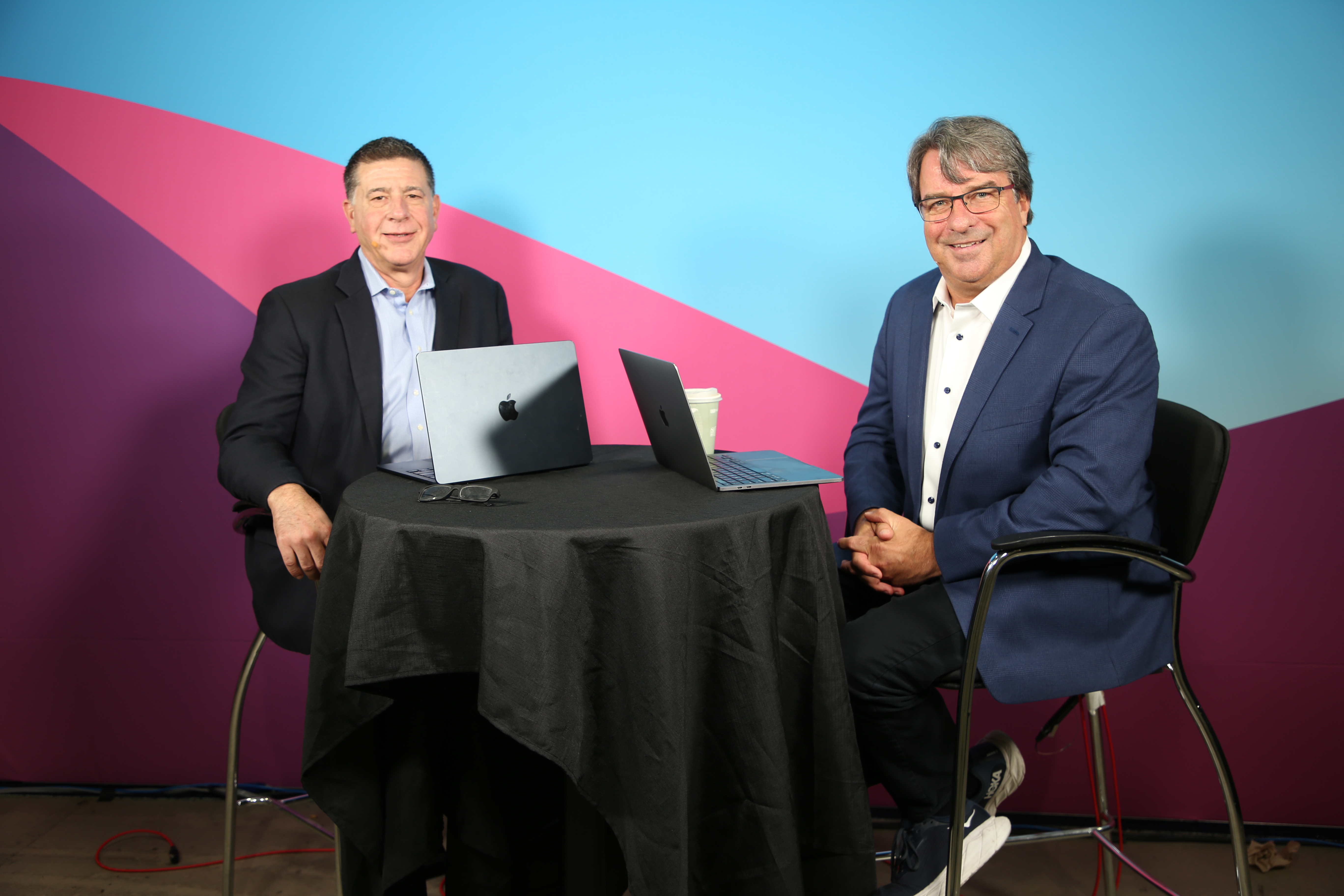
TheCUBE’s Scott Hebner and John Furrier talk about AI’s impact on public sector modernization.
“There’s no doubt what we’ve learned about the trade-offs between secure, compliant and highly sensitive data and how do you manage and operate in that type of environment,” said theCUBE Research’s Scott Hebner. “With the other side being currency … it’s the innovation. It’s the currency of innovation, so you’ve got to balance those two things.”
Hebner and theCUBE’s John Furrier discussed the keynote analysis at the AWS Summit Washington, DC event, during an exclusive broadcast on theCUBE, SiliconANGLE Media’s livestreaming studio. They talked about AI’s impact on public sector modernization, infrastructure challenges, data fragmentation and cultural shifts required for innovation. (* Disclosure below.)
Government modernization through the use of AI is vital for maintaining sustained operational effectiveness. This includes significant infrastructure investments, particularly in energy grids essential for AI systems, according to Furrier.
“The other note that’s critical … is the modernization of the infrastructure, specifically energy grids,” Furrier said. “Without power … for AI systems, Amazon regions don’t work. The government has to fund that, whether it’s here in the U.S., but certainly we’re seeing it abroad.”
Yet infrastructure alone isn’t enough. Data fragmentation across agencies hinders AI transformation, necessitating cultural and procedural shifts.
“This is where I think culture is not just part of it, it’s the whole game here,” Hebner said. “There’s got to be a total change in the mindset. I would go so far … as to say … silos can become fatal.”
Government organizations must embrace product-led leadership, shifting from traditionally bureaucratic processes. There’s an urgent need for technologists ready to lead rapid technological change, according to Furrier.
I think a product-led leadership wave is coming in government,” Furrier said. “DOGE is just the first wave of that … or was kind of a signal to that wave. Product-led growth in the public sector will be big because that’s where the change is.”
Introducing AI-driven efficiencies exponentially boosts productivity. AI agents and digital labor frameworks enable public agencies to significantly increase outputs without proportionally higher budgets, according to Hebner.
“The smart ones attack labor spend not to reduce it,” he explained. “With digital labor, keep costs the same and do twice as much. Government must act faster, and without AI, progress could take decades.”
The introduction of AI-driven efficiencies is not simply about cost reduction; it’s about exponentially increasing productivity. AI agents, digital labor and smarter decision-making frameworks offer public agencies the opportunity to do significantly more without proportionally increasing budgets, according to Hebner. The leadership capable of effectively implementing these technologies will determine the future viability and competitiveness of public sector institutions.
“The smart ones are attacking that labor spend, but not to reduce it,” Hebner explained. “Because … when you get digital labor, you could cut costs, but why do that? Keep the cost the same and do twice as much. That’s what the government needs to do … they’ve got to do more faster, and without AI agents, it could take decades to do this.”
Here’s the complete video interview, part of SiliconANGLE’s and theCUBE’s coverage of the AWS Summit Washington, DC event:
(* Disclosure: TheCUBE is a paid media partner for the AWS Summit Washington, DC event. Neither Amazon Web Services Inc., the sponsor of theCUBE’s event coverage, nor other sponsors have editorial control over content on theCUBE or SiliconANGLE.)
Support our mission to keep content open and free by engaging with theCUBE community. Join theCUBE’s Alumni Trust Network, where technology leaders connect, share intelligence and create opportunities.
Founded by tech visionaries John Furrier and Dave Vellante, SiliconANGLE Media has built a dynamic ecosystem of industry-leading digital media brands that reach 15+ million elite tech professionals. Our new proprietary theCUBE AI Video Cloud is breaking ground in audience interaction, leveraging theCUBEai.com neural network to help technology companies make data-driven decisions and stay at the forefront of industry conversations.