


 AI
AI
AI
AI

AI

Security platformization is starting to look less like a slogan and more like a real enterprise buying shift, as organizations pull back from expanding already crowded security stacks.
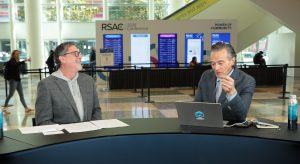
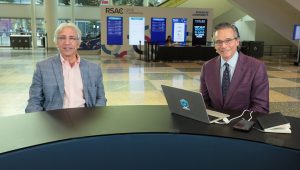
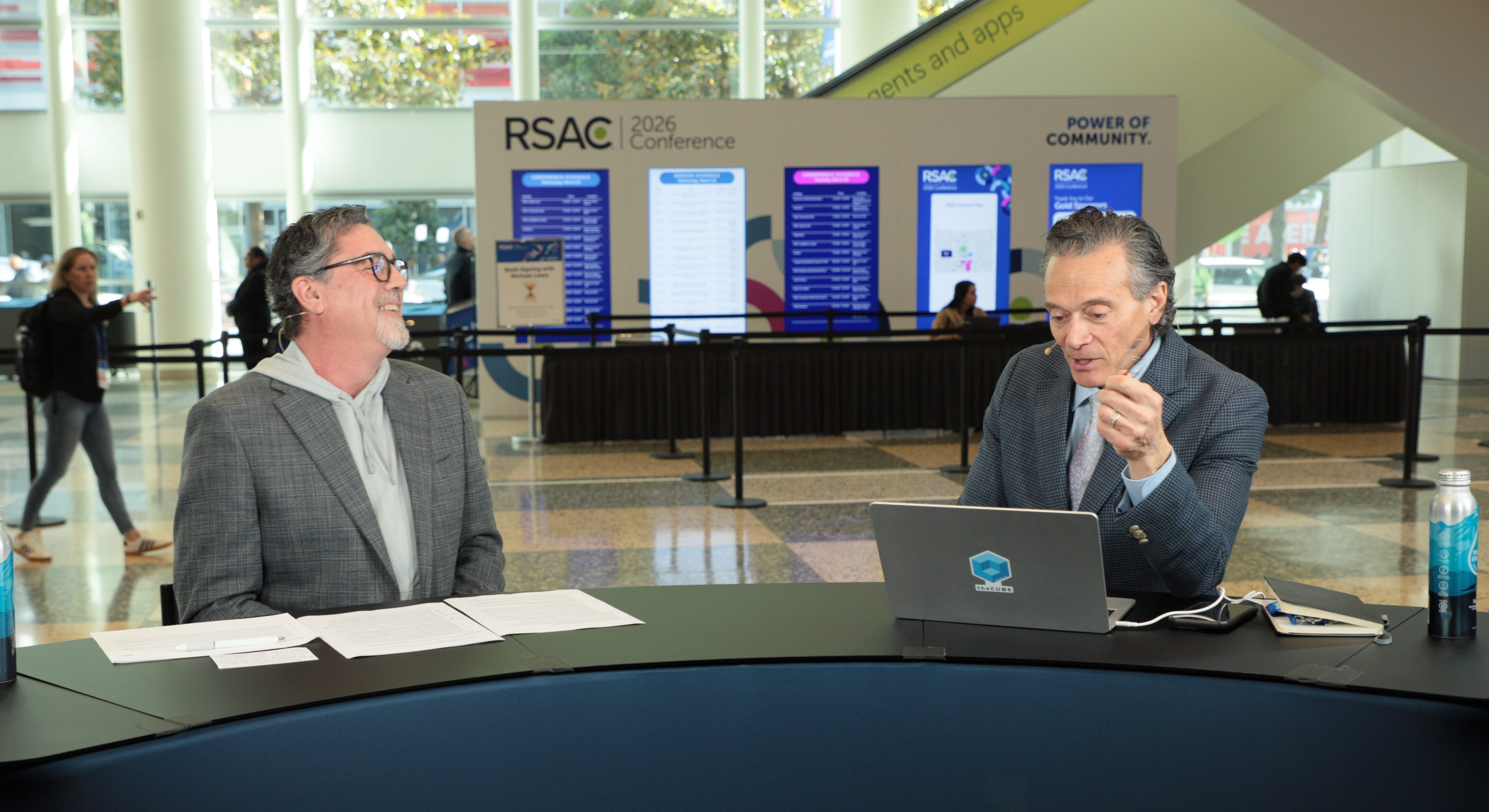
That change is becoming more urgent as AI reshapes the threat landscape and exposes the limits of one-off security fixes. Recent data shows both a sharp decline in “best-of-breed” sentiment and a broader slowdown in provider expansion, reinforcing the view that buyers are moving toward more integrated security strategies. Instead, they are turning to stronger hygiene and deeper layers of protection, according to Erik Bradley (pictured, left), chief strategist and research director at Enterprise Technology Research. That tightening around platforms is happening just as AI agent adoption is accelerating far faster than the controls needed to secure it.
“We’ve seen, in this last study, 37% of organizations already have AI agents deployed or in active testing at this moment,” Bradley said. “That’s up 10 percentage points just from last year. However, when we talk about security controls, 20% admit they have no agent-specific security controls at all. Only 3% said … [they] have broad controls in place.”
Bradley spoke with theCUBE’s Dave Vellante (right) for a day-three keynote analysis at the RSAC 2026 Conference, during an exclusive broadcast on theCUBE, SiliconANGLE Media’s livestreaming studio. They discussed the state of enterprise security spending, AI agent governance and platform consolidation trends. (* Disclosure below.)
ETR’s annual security study paints a shifting investment landscape when it comes to security platformization. For the first time, large language model and generative AI protection has surpassed cloud security as the top area where enterprises plan to increase spending, Bradley noted.
“This is the first time that we’ve seen LLM and gen AI protection be the number one player. Cloud security had been the number one player for the last two years,” he said. “Not only do we see a massive, almost 10-point jump in LLM and gen AI, we’re seeing it in tandem with an almost 5% decline in cloud.”
What makes that shift more significant is that security platformization is being framed less as a simple consolidation exercise and more as a practical response to a harder operating environment. The goal is not just to carry fewer providers, but to build a security posture that is more integrated, more resilient and easier to manage over time, according to Bradley.
“I don’t think anyone has the control tower at this moment,” he said. “I think it’s going to be a blend. That’s why I keep saying depth of defense. It’s a term we used to use 10, 20 years ago that I think is more important now than ever.”
Meanwhile, the broader cybersecurity market continues to show resilience even as overall information technology spending growth has softened to 3.5% amid geopolitical uncertainty, Bradley noted. Only 5% of respondents plan to decrease security spending, and vendor consolidation is gaining real momentum — the “best-of-breed” rationale for adding new suppliers has hit a two-year low. Those ironies loom over RSAC: Spending is holding up, vendor expansion is slowing and as AI adoption races ahead of oversight, the only clear path forward is for governance to catch up fast.
“When we ask [respondents] to unify on what they think the right governance model would be for agents, the data’s useless. Every single answer option [is at] 23, 24%,” he said. “There’s no clear view … We are really way ahead in deployment than we should be from a governance perspective and control perspective. It’s going to have to catch up fast.”
Stay tuned for the complete video interview, part of SiliconANGLE’s and theCUBE’s coverage of RSAC 2026 Conference.
(* Disclosure: TheCUBE is a paid media partner for RSAC 2026 Conference. Sponsors of theCUBE’s event coverage do not have editorial control over content on theCUBE or SiliconANGLE.)
Support our mission to keep content open and free by engaging with theCUBE community. Join theCUBE’s Alumni Trust Network, where technology leaders connect, share intelligence and create opportunities.
Founded by tech visionaries John Furrier and Dave Vellante, SiliconANGLE Media has built a dynamic ecosystem of industry-leading digital media brands that reach 15+ million elite tech professionals. Our new proprietary theCUBE AI Video Cloud is breaking ground in audience interaction, leveraging theCUBEai.com neural network to help technology companies make data-driven decisions and stay at the forefront of industry conversations.