 AI
AI
AI
AI



AI

Organizations are shifting away from broad digital transformation efforts and instead targeting high-impact bottlenecks where AI and automation can deliver immediate results. These targeted changes are turning slow manual processes into faster, more efficient AI-driven workflow automation and freeing people to focus on higher-value work.
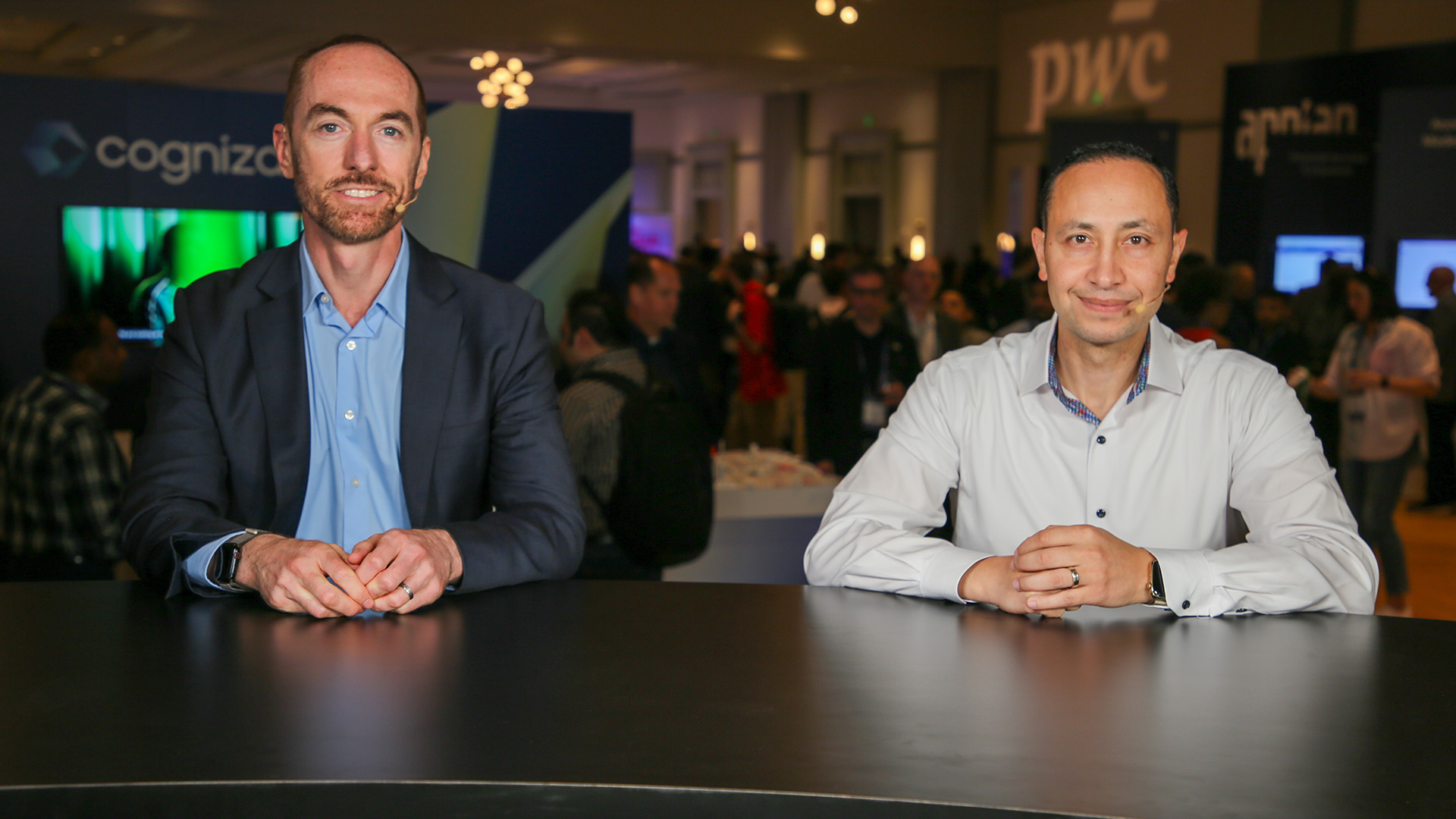
Acclaim Autism was founded to address long wait lists that left families waiting months or even years for essential behavioral services. But even after launching, onboarding delays of up to six months remained a major barrier to getting patients started on care, according to Jamie Turner (pictured, left), founder and president of Acclaim Autism. Acclaim Autism turned to Appian Corp., a process automation and AI software company, to find a lasting solution.
“That was just completely unacceptable to me, so we started to partner with Appian to find out ways to simplify that process and maybe use AI as well,” Turner said. “We were able to get that six months down to about four days.”
Turner and Medhat Galal (right), senior vice president of engineering at Appian, spoke with theCUBE’s Dave Vellante and Alison Kosik at Appian World 2026, during an exclusive broadcast on theCUBE, SiliconANGLE Media’s livestreaming studio. They discussed how AI-driven workflow automation is transforming healthcare intake processes and the importance of starting digital transformation with targeted high impact use cases. (* Disclosure below.)
Most digital transformation initiatives fail not because the technology falls short, but because organizations try to change everything at once. Instead, the most important step is to begin with a clear use case and build from there as the next steps become clear, according to Galal.
“Take something high value, low-complexity, get started, get the motion, get the wheels turning and then pull on the next thread,” Galal said. “Don’t try to make the perfect the enemy of the good. Visualize the entire process, just get started, get going and realize value sooner.”
The biggest bottleneck was the review of unstructured clinical documents from other providers — a complex, regulation-dependent judgment call that staff had historically struggled with, sometimes guessing and submitting documents to insurers only to have them rejected and returned, Turner explained. Appian helped digitize the process end to end and inserted AI into that document review step, dropping the error rate to 5%. The entire implementation, including a proof of concept, took roughly two months. In high-impact areas such as patient onboarding, long delays tie up staff capacity and make it clear where transformation can deliver immediate value.
“You’re making better use of [your] staff members. You’re getting started with services earlier for kids,” Turner said. “Pick that bottleneck and fix it.”
Here’s the complete video interview, part of SiliconANGLE’s and theCUBE’s coverage of Appian World 2026:
(* Disclosure: TheCUBE is a paid media partner for Appian World. Neither Appian, the sponsor of theCUBE’s event coverage, nor other sponsors have editorial control over content on theCUBE or SiliconANGLE.)
Support our mission to keep content open and free by engaging with theCUBE community. Join theCUBE’s Alumni Trust Network, where technology leaders connect, share intelligence and create opportunities.
Founded by tech visionaries John Furrier and Dave Vellante, SiliconANGLE Media has built a dynamic ecosystem of industry-leading digital media brands that reach 15+ million elite tech professionals. Our new proprietary theCUBE AI Video Cloud is breaking ground in audience interaction, leveraging theCUBEai.com neural network to help technology companies make data-driven decisions and stay at the forefront of industry conversations.