 AI
AI
AI
AI




AI

Generative AI is rapidly reshaping how organizations operate, shifting the focus from standalone tools to integrated digital workforces. As adoption accelerates, AI leaders must now balance speed with the deep cultural and organizational transformation required to realize its full potential.
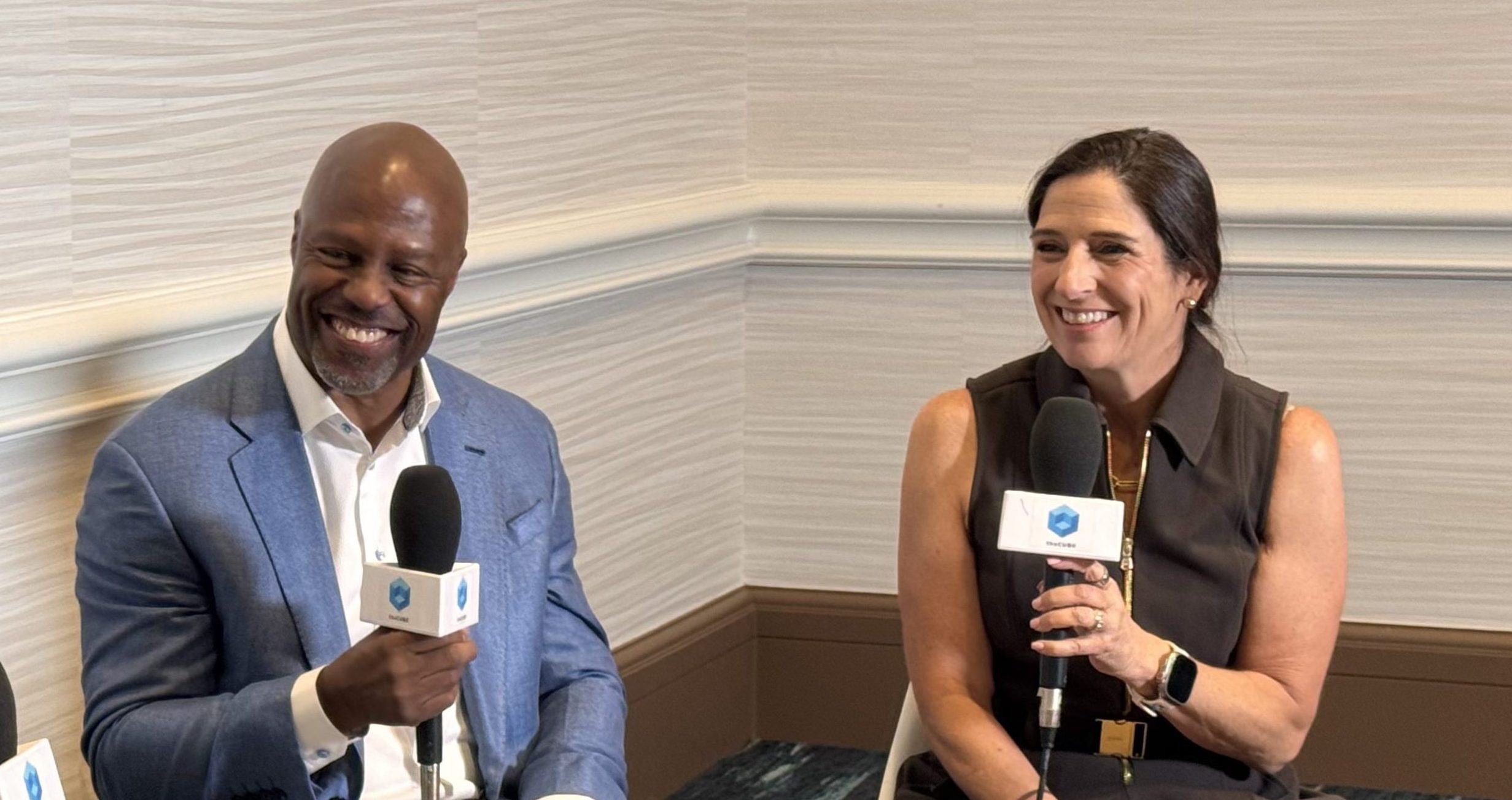
The current market reality is underpinned by the fact that AI fundamentally changes how vendors and customers interact. As organizations shift from selling static tools to building digital workforces, the focus is moving from one-time transactions to delivering ongoing value through integration, adoption and continuous optimization, according to Jim Anderson (pictured, left), vice president of the North American partner ecosystem and channels at Google Cloud.
“Partners no longer are just service partners or resellers. They’ve become the fundamental infrastructure to make sure that we can drive the business outcomes that we’re seeking as we move to AI,” Anderson said. “Our goal from Google is [asking], ‘How do we de-risk that environment with our ecosystem for customers moving forward?’”
Anderson and Lisa Caswell (right), partner at Spencer Stuart & Associates, spoke with theCUBE’s John Furrier at Google Cloud Next, during an exclusive broadcast on theCUBE, SiliconANGLE Media’s livestreaming studio. They discussed the shift to digital workforces and the challenge of balancing rapid AI adoption with organizational change. (* Disclosure below.)
AI is accelerating every enterprise at once — and forcing all of them to rethink how they operate. The result is a constant C-suite balancing act: move fast enough to capture value, but not so fast that risk spirals out of control, according to Caswell.
“Some are just blazing ahead as fast as possible,” Caswell said. “Every board is asking every management team, ‘What have you done for me lately when it comes to AI? Show up at the board meeting and tell me what you’re doing,’ which is putting a great deal of pressure on the management team to make moves.”
Along with the pressure on leadership, agentic AI is creating an entirely new kind of digital workforce — one that still requires direction and management, much like human teams. That means organizations need to treat AI as a long-term journey anchored in clear outcomes and ongoing change management, not a one-time deployment, Anderson explained.
“No longer is it simply, ‘Hey, how do we go in, provide this technology and move on?’ It is more, ‘How do we help you as an organization reach the outcomes?’ and then actually continually improve from those outcomes moving forward,” Anderson said. “That’s really what we focus on right now.”
That shift in mindset is also forcing a harder question about whether today’s leaders and organizational structures are actually built for what comes next, according to Caswell. The field is splitting in two, with some treating AI as a faster version of every previous technology wave and others using the moment to tear up the playbook entirely and rebuild around agility and first principles.
“Are these agents a workforce or are they enablers to make every single one of my employees [superpowered]?” Caswell said. “That’s really the dialogue. There’s a lot of conversation on how we want to view that.”
One view gaining traction is that the two aren’t mutually exclusive. The more pressing question is not whether AI replaces people but how much it can amplify them, Anderson explained.
“My personal assistant has actually made me more efficient and hasn’t replaced me,” he said. “I think that’s how you have to take a look at it.”
Here’s the complete video interview, part of SiliconANGLE’s and theCUBE’s coverage of Google Cloud Next:
(* Disclosure: TheCUBE is a paid media partner for Google Cloud Next. Sponsors of theCUBE’s event coverage do not have editorial control over content on theCUBE or SiliconANGLE.)
Support our mission to keep content open and free by engaging with theCUBE community. Join theCUBE’s Alumni Trust Network, where technology leaders connect, share intelligence and create opportunities.
Founded by tech visionaries John Furrier and Dave Vellante, SiliconANGLE Media has built a dynamic ecosystem of industry-leading digital media brands that reach 15+ million elite tech professionals. Our new proprietary theCUBE AI Video Cloud is breaking ground in audience interaction, leveraging theCUBEai.com neural network to help technology companies make data-driven decisions and stay at the forefront of industry conversations.