 AI
AI
AI
AI




AI

Enterprise AI governance is becoming increasingly important as organizations race toward ROI, demanding AI systems that are scalable, predictable and built to deliver measurable business outcomes.
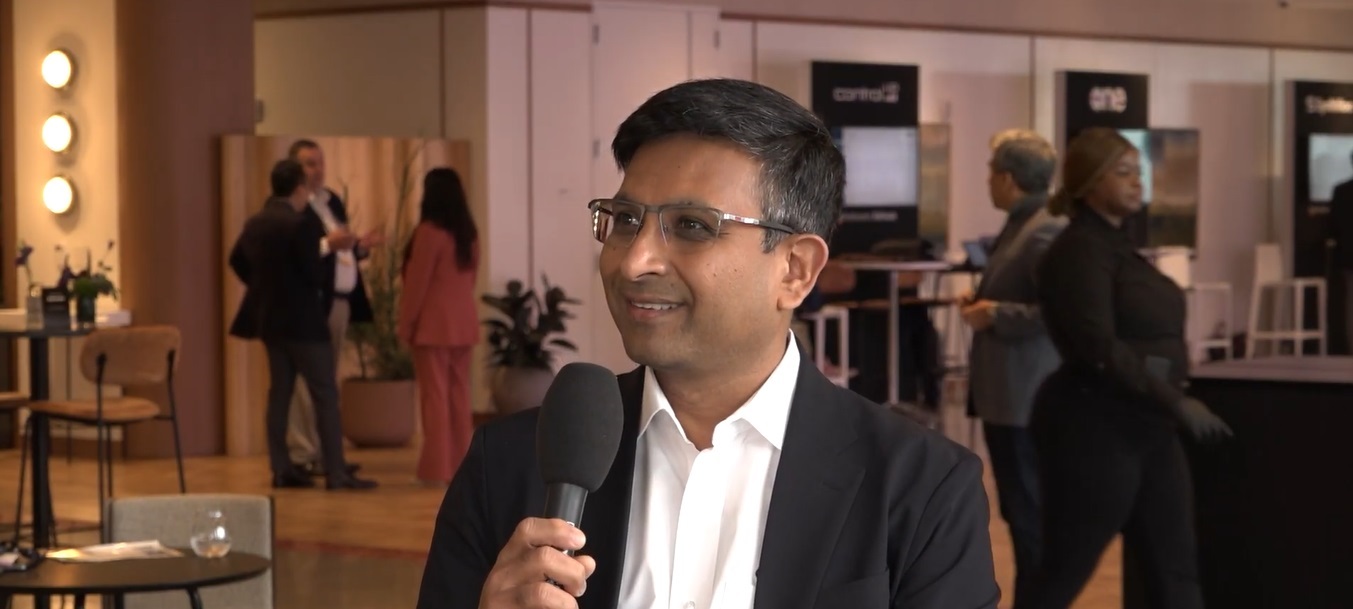
With research estimating that two-thirds of AI pilots stall before reaching production scale, most organizations are clearly not just behind on AI — they’re stuck at the starting line. Still, even as different companies take different approaches to AI, interoperability and governance have emerged as clear cornerstones, according to Murali Swaminathan (pictured), chief technology officer of Freshworks Inc.
“There’s a lot of change that has happened in the AI world. There’s so much proliferation of AI-native tools [and] third-party products. Everybody is doing AI in a different way,” Swaminathan said. “There’s no one-size-fits-all — everything needs to connect together. We need to interoperate with other AI systems, and that’s the learning lesson here.”
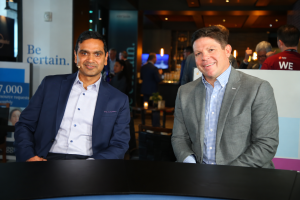
Swaminathan spoke with theCUBE’s Bob Laliberte at the Freshworks Refresh event, during an exclusive broadcast on theCUBE, SiliconANGLE Media’s livestreaming studio. They discussed enterprise AI governance as well as the shift from human-assisted workflows toward more autonomous AI-driven operations. (* Disclosure below.)
Along with interoperability, trust has emerged as a foundational requirement for any successful AI adoption, especially as organizations begin delegating more work to automated systems. To build confidence in AI-driven outcomes, enterprises need visibility and assurance that the technology is operating as intended, according to Swaminathan.
“[You need] trust in how you set up the AI, how you set up the controls, how it performs, how you can trace what’s going on and then how we can report on what it did and what it did not do,” Swaminathan said. “Trust is there in many layers, and that’s what we believe in building the product or providing the tools for you to set it up the right way.”
Trust in AI requires layered governance, and Freshworks approaches that through controls built at every level of the stack — from LLM guardrails that define what’s permitted, to agent-level boundaries that keep automated systems focused on their intended tasks, Swaminathan explained. Data anonymization and sovereignty policies add further guardrails, ensuring personal information is protected and that data stays within designated regions. Organizations are increasingly focused on these kinds of safeguards to ensure AI systems operate securely in a way that feels invisible to the user and indispensable to the administrator.
“We focus on data sovereignty — we make sure that the data stays in the zone and doesn’t go outside,“ he said. “As far as the user is concerned, it doesn’t matter to them, but behind the scenes, the people who are governing it need to know that it’s working the right way.”
Here’s the complete video interview, part of SiliconANGLE’s and theCUBE’s coverage of the Freshworks Refresh event:
(* Disclosure: TheCUBE is a paid media partner for the Freshworks Refresh event. Neither Freshworks, the sponsor of theCUBE’s event coverage, nor other sponsors have editorial control over content on theCUBE or SiliconANGLE.)
Support our mission to keep content open and free by engaging with theCUBE community. Join theCUBE’s Alumni Trust Network, where technology leaders connect, share intelligence and create opportunities.
Founded by tech visionaries John Furrier and Dave Vellante, SiliconANGLE Media has built a dynamic ecosystem of industry-leading digital media brands that reach 15+ million elite tech professionals. Our new proprietary theCUBE AI Video Cloud is breaking ground in audience interaction, leveraging theCUBEai.com neural network to help technology companies make data-driven decisions and stay at the forefront of industry conversations.