 AI
AI
AI
AI




AI

The AI PC is being fundamentally redefined as agentic workloads push the boundaries of what local compute can deliver — and as runaway cloud token costs force enterprises to rethink where inference actually happens.
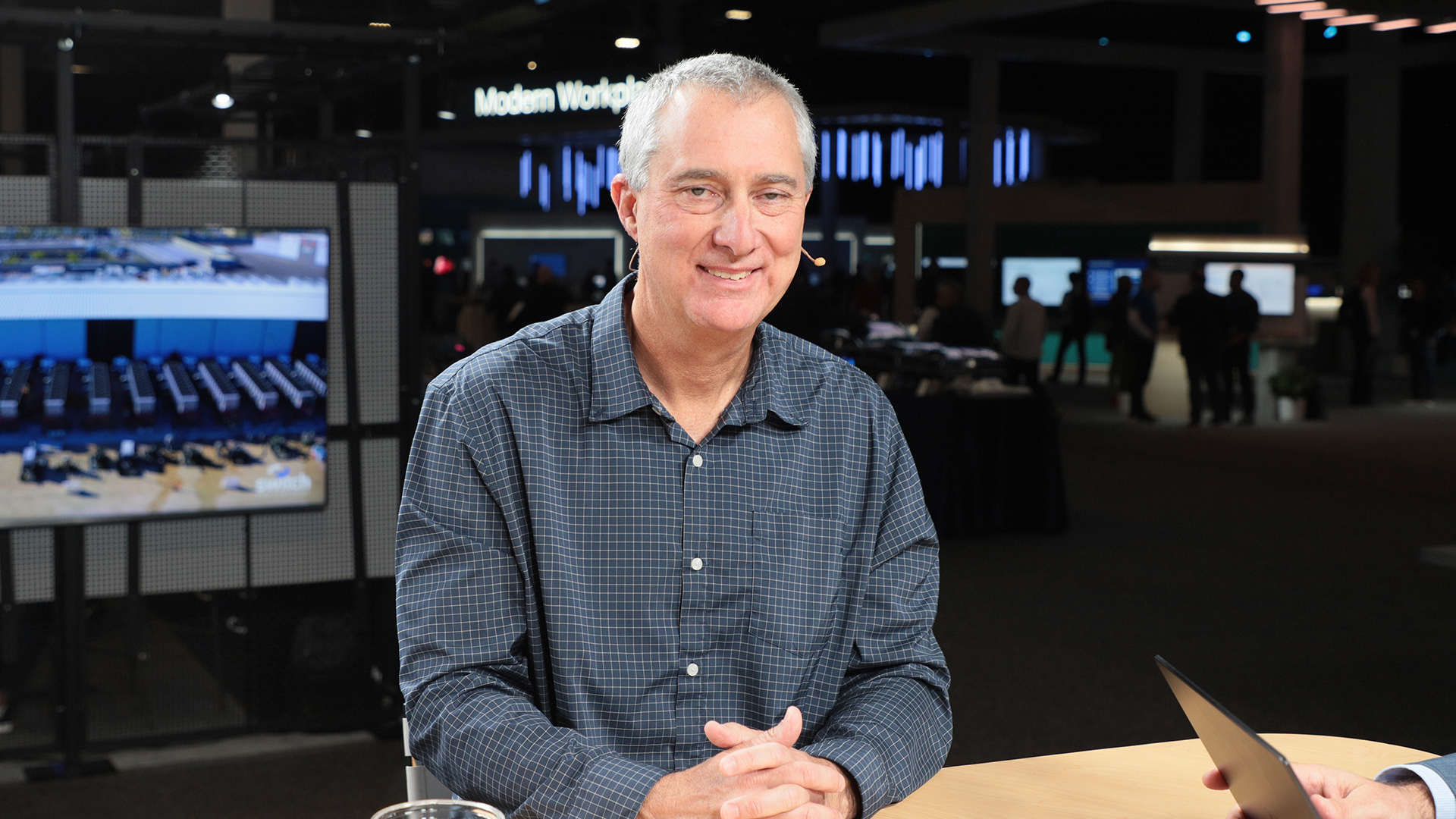
The PC’s resurgence as the ultimate AI endpoint is now in focus — an architectural reality driven by sovereignty concerns, token economics and the composable nature of agentic workflows. But the AI PC of 2026 is not comparable to the machines the industry rushed to market just a few years ago, according to Rob Bruckner (pictured), president of the commercial client solutions group at Dell Technologies Inc.
“The industry went out pretty quickly to try to get out there with a neural processing unit-based architecture,” Bruckner said. “It just didn’t have the power to bring forward a heavier workload that brings more value to the PC. [The] first thing we’re doing is overcoming the starting place of, ‘What is an AI PC?’ into, ‘Is it an AI PC still? What does the terminology mean now?’ It’s something that we have to really face with customers right now — redefine now what the value [AI] brings to the PC.”
Bruckner spoke with theCUBE’s John Furrier and Gemma Allen at Dell Technologies World 2026, during an exclusive broadcast on theCUBE, SiliconANGLE Media’s livestreaming studio. They discussed the evolving role of the PC as an agentic AI endpoint, local inference economics and Dell’s agentic AI strategy. (* Disclosure below.)
Two forces are reigniting the commercial case for the AI PC, Bruckner noted. The first is token cost, since agentic workflows are inherently chatty — with agents looping, planning and re-querying at a rate that can send cloud API bills spiraling. Dell’s Deskside Agentic AI offering targets exactly that problem, built on the straightforward premise that most agentic workloads don’t need frontier-level compute.
“The inference needed to bring value does not require a frontier-level inference,” Bruckner said. “It can actually be done with a reasonable-size model. [With AI PCs] you can start to have more control of your token budgets or be a little bit more dynamic about when you want to use a frontier token.”
The second driving force surrounds sovereignty. Developers who once burned through thousands of dollars in cloud tokens in a single day now have an alternative that keeps sensitive data and intellectual property on the device, according to Bruckner. Local inference also liberates developers to iterate freely without worrying about token budget constraints. If organizations restrict that experimentation, innovation stalls precisely when the technology is moving fastest, he added.
“The developer that might use lots of tokens right away [is] because they’re optimizing their workflow and they actually need a playground. It’s essential for them. Otherwise, they’re going to hold their innovation instincts because they’re worried about expanding on their token budget,” he said. “If you don’t let people innovate when the technology is changing so quickly, then you’re going to have a problem where they’re afraid to use their tokens. That’s the last thing you want your developers to do.”
Here’s the complete video interview, part of SiliconANGLE’s and theCUBE’s coverage of Dell Technologies World 2026:
(* Disclosure: TheCUBE is a paid media partner for Dell Technologies World. Neither Dell, the sponsor of theCUBE’s event coverage, nor other sponsors have editorial control over content on theCUBE or SiliconANGLE.)
Support our mission to keep content open and free by engaging with theCUBE community. Join theCUBE’s Alumni Trust Network, where technology leaders connect, share intelligence and create opportunities.
Founded by tech visionaries John Furrier and Dave Vellante, SiliconANGLE Media has built a dynamic ecosystem of industry-leading digital media brands that reach 15+ million elite tech professionals. Our new proprietary theCUBE AI Video Cloud is breaking ground in audience interaction, leveraging theCUBEai.com neural network to help technology companies make data-driven decisions and stay at the forefront of industry conversations.