 SECURITY



SECURITY

AI trust is becoming as much a recovery problem as a security one. As agents touch more enterprise data and attackers use frontier models to find weak spots faster, simply holding a copy of the data no longer proves a business can bounce back.
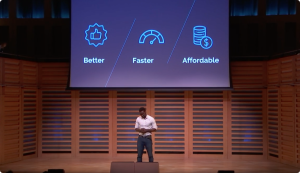
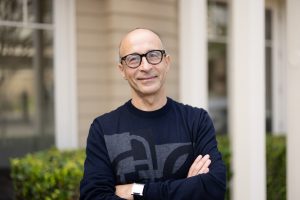
That shift is pulling data protection out of the back office and into core infrastructure design. Dell Technologies Inc. has been expanding its cyber recovery offerings as enterprises confront those risks, according to Simon Jelley (pictured), vice president of product management at Dell.
“The reality is, within the trusted AI adoption, it requires more than just protecting the actual model itself,” he said. “You have to assume that ultimately, in this software-connected world, anything that’s software-connected, there’s a potential for that threat boundary. You have to ultimately have resilience built into the architecture itself.”
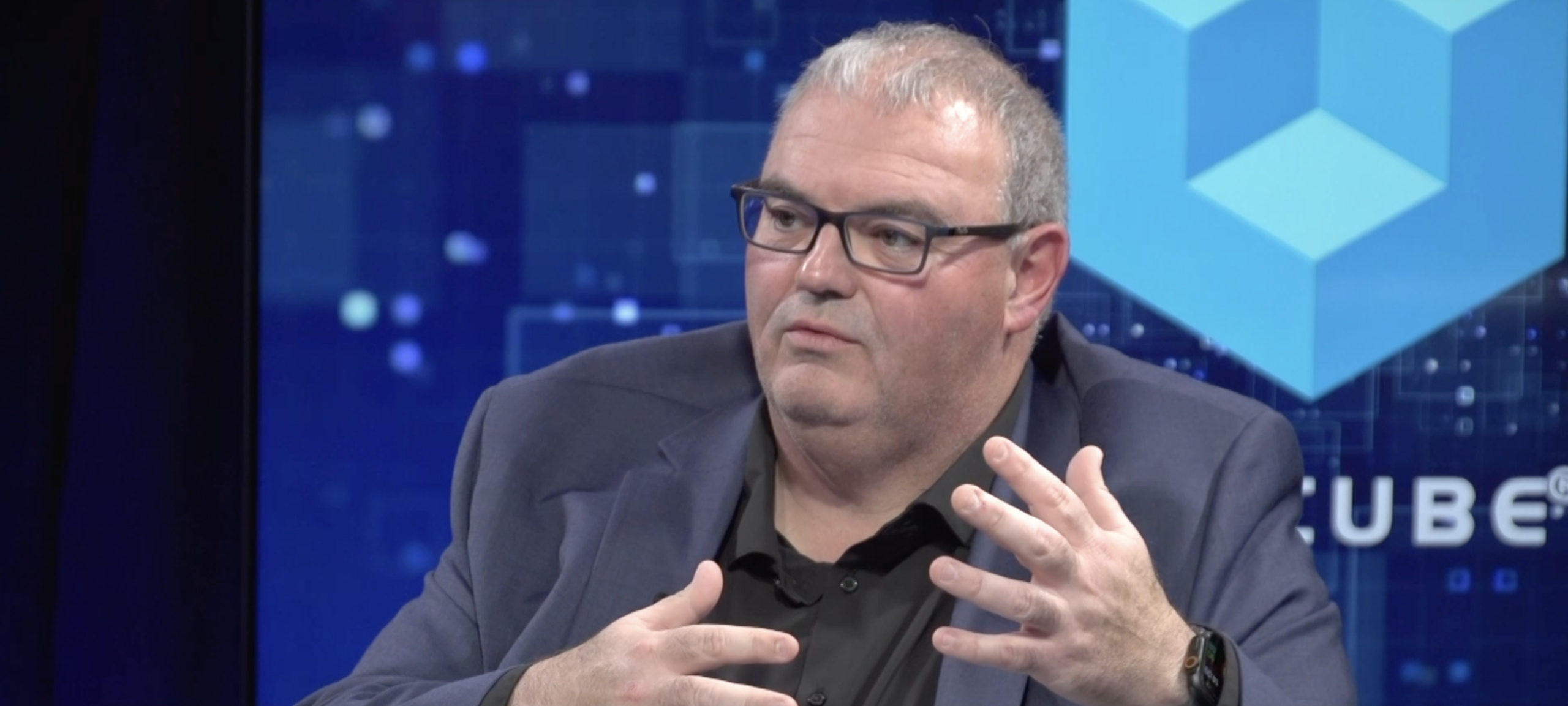
Jelley spoke with theCUBE’s Christophe Bertrand for the AI Cybersecurity and Resilience Summit, during an exclusive broadcast on theCUBE, SiliconANGLE Media’s livestreaming studio. They discussed why proving recoverability now matters more than keeping a backup. (* Disclosure below.)
Two forces are driving the change. AI raises both the value and the volume of enterprise data, while frontier models let attackers chain low-severity vulnerabilities into a working attack path. That means treating resilience as part of how the business operates, according to Jelley.
“The efficacy of the data itself is one element, but the other is you’ve got to really build in resiliency as a business process,” he said. “Resiliency is just built into the architecture and the business process you’re delivering overall.”
Dell uses a vault to keep a copy of data off the production network and outside the identity privileges that govern primary systems, according to Jelley. The company argues that immutability alone isn’t isolation.
“We’ve worked with thousands of organizations to bring vaults into play. Some don’t use that intelligence layer. And interestingly, we found that they have recovered data that had time bomb threats within them,” he said. “It’s not just important to isolate your data and say, ‘Great, I have a recovery copy.’ How do you know that recovery copy is ultimately clean? That’s really critical when you’re ultimately trying to stand back up your business.”
Here’s the complete video interview, part of SiliconANGLE’s and theCUBE’s coverage of the AI Cybersecurity & Resilience Summit:
(* Disclosure: Dell Technologies Inc. sponsored this segment of theCUBE. Neither Dell nor other sponsors have editorial control over content on theCUBE or SiliconANGLE.)
Support our mission to keep content open and free by engaging with theCUBE community. Join theCUBE’s Alumni Trust Network, where technology leaders connect, share intelligence and create opportunities.
Founded by tech visionaries John Furrier and Dave Vellante, SiliconANGLE Media has built a dynamic ecosystem of industry-leading digital media brands that reach 15+ million elite tech professionals. Our new proprietary theCUBE AI Video Cloud is breaking ground in audience interaction, leveraging theCUBEai.com neural network to help technology companies make data-driven decisions and stay at the forefront of industry conversations.