 INFRA
INFRA


INFRA

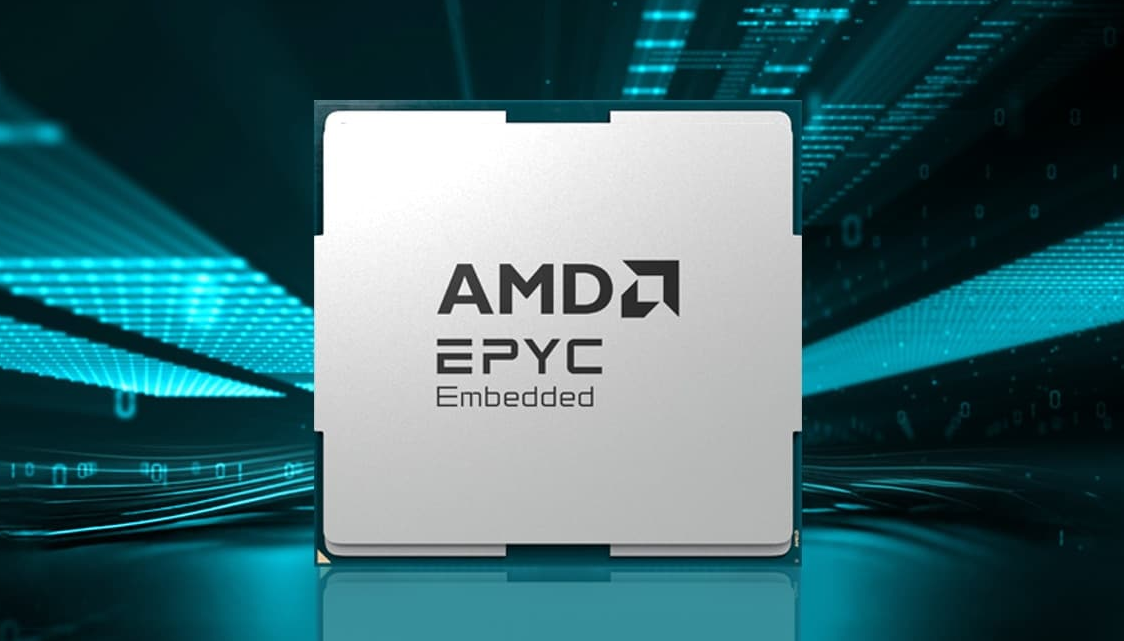
Advanced Micro Devices Inc. is delivering a massive compute upgrade to the specialized embedded systems used to validate semiconductor technologies with the launch of its 6th Gen AMD EPYC Embedded 9006 Series SP7 processors.
Announced today, the new chips are designed to bring superior performance to semiconductor automated test equipment or ATE, enterprise storage systems and high-end network firewalls, the company said.
AMD is targeting what it says is mounting friction in the semiconductor hardware supply chain with its new processors. As the data demands of artificial intelligence workloads increase, the systems used to validate, secure and move that data are reaching their limits.
Semiconductor ATE workloads in particular are showing signs of strain. They’re performed by automated testing rigs that act as high-speed quality control during chip manufacturing operations, running continuous electrical parametric tests, functional stress tests and signal validation across dozens of silicon dies simultaneously.
The goal of these tests is to identify any defects or performance issues with new silicon chips before they reach mass production, but as their performance capabilities increase, existing ATE controllers are unable to provide the massive parallel compute power required to orchestrate them.
AMD’s EPYC Embedded 9006 family is designed to eliminate this bottleneck. It’s based on the company’s high-performance Zen 6 core architecture and it packs up to 256 cores and 512 threads into a single socket. It’s an extremely dense computing footprint that delivers 1.8 times more throughput, 1.5 times greater networking bandwidth and 2.7 times higher memory bandwidth than the company’s previous 5th Generation 9005 series embedded chips.
They can also facilitate much more rapid data movement with up to 96 lanes of PCIe Gen 6 running at 64 gigatransfers per second, with flexible CXL 3.1 expansion and 16 DDR5 memory channels that support multiplexed rank dual inline memory module speeds of up to 12,800 megatransfers per second. That last number refers to the chip’s effective data transfer rate between the memory controller and the memory module, and represents a significant jump from the standard 6,400 to 8,000 MT/s of standard, high-end server DDR5 random-access memory chips.
AMD said EPYC Embedded 9006 series chips can also provide more control plane muscle for 400G and 800G network firewalls. that enables them to process expanding security policies better, as well as faster compression and redundant array of independent disks in storage workloads.
Salil Raje, senior vice president and general manager of AMD’s Adaptive and Embedded Computing Group, said the industry urgently needs this increased computing heft at the embedded layer if it’s to maintain the momentum of its current development cadence. “The systems that test semiconductors, secure networks and manage enterprise data must keep pace or risk becoming bottlenecks to progress,” he said. “With AMD EPYC Embedded 9006 SP7 processors, we’re extending AMD CPU leadership by bringing data center-class compute to embedded systems and by helping customers increase capacity and do more within their power budgets.”
When it comes to testing advanced semiconductor designs, security is of paramount importance, and that’s why AMD introduced a number of innovations on that front. For instance, the EPYC Embedded 9006 chips incorporate the company’s Root of Trust or ART technology to establish an immutable boot chain, secured by post-quantum cryptography, to safeguard firmware signing against potential threats from quantum computers in the future.
There’s also a new AMD Security Processor or ASP that handles runtime trust execution, virtual machine encryption and authorized diagnostic debugging. The chips further integrate Caliptra, which is an open-source and vendor-agnostic silicon root of trust technology that supports remote attestation to mathematically verify device identities and prevent firmware tampering.
With mass volume production already underway, the 6th Gen AMD EPYC Embedded 9006 Series SP7 processors are expected to be shipped to customers later this month, the company said. Customers will be able to choose from configurations ranging from 64 to 256 cores, with the first 128-core offering launching on Nov. 15.
Support our mission to keep content open and free by engaging with theCUBE community. Join theCUBE’s Alumni Trust Network, where technology leaders connect, share intelligence and create opportunities.
Founded by tech visionaries John Furrier and Dave Vellante, SiliconANGLE Media has built a dynamic ecosystem of industry-leading digital media brands that reach 15+ million elite tech professionals. Our new proprietary theCUBE AI Video Cloud is breaking ground in audience interaction, leveraging theCUBEai.com neural network to help technology companies make data-driven decisions and stay at the forefront of industry conversations.