 EMERGING TECH


EMERGING TECH

Brain-computer interface company Science Corp. today revealed it has raised $400 million in a Series D round of funding that brings its valuation soaring to $3.5 billion.
The round, announced in a blog post earlier today, was led by high-profile venture capital firm Khosla Ventures. It was joined by the Ackman Oxman Institute, Tenet Healthcare, 885 Capital, Y Combinator and PLC Neurotech. The Ackman Oxman Institute’s participation is notable, as it appears to be one of brain research center’s first ventures after being established by the hedge fund billionaire Bill Ackman and his wife Neri Oxman earlier this year.
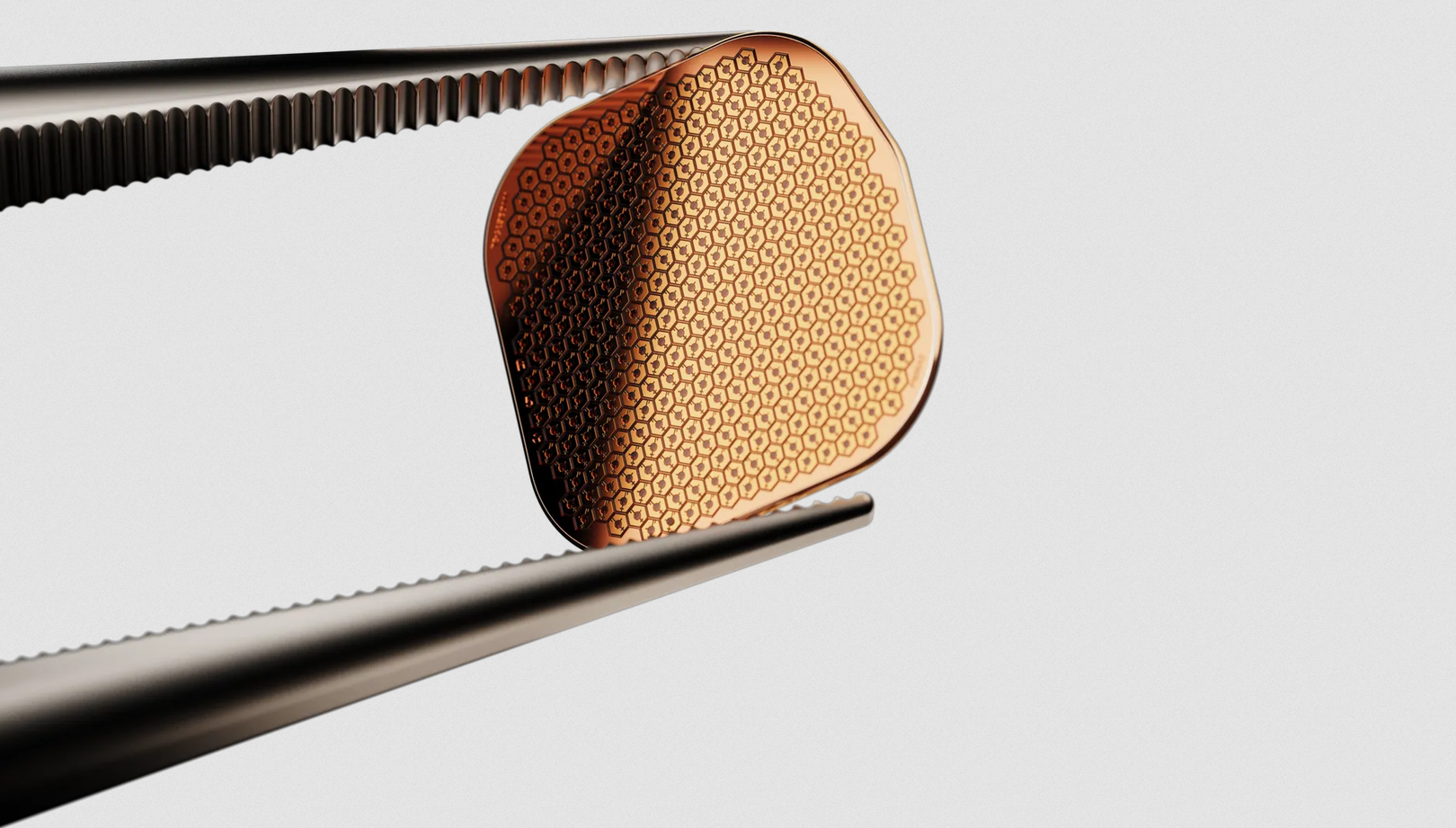
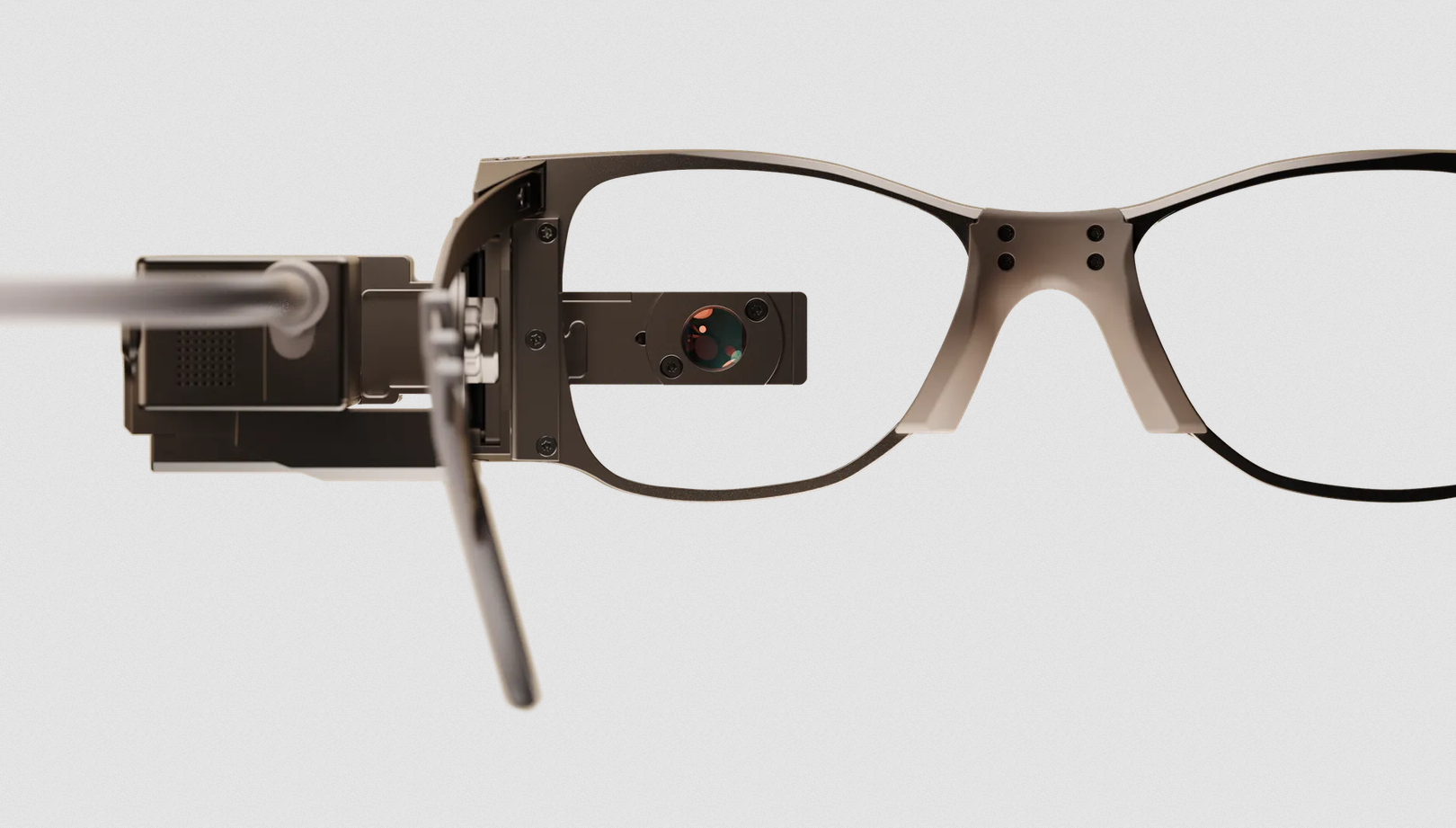
The money from today’s round will give Science the capital it needs to bring its flagship product PRIMA to the U.S. healthcare market, having already established traction in Europe. PRIMA is a specialized chip that’s implanted into the eyes of patients suffering from age-related macular degeneration or AMD, which is one of the most common causes of vision loss among older adults. It’s paired with a special pair of glasses that help to restore partial vision to AMD sufferers, and it has already been approved by some European countries.
For instance, PRIMA has already been implanted in the eyes of several patients in Germany, and the company has dozens of additional surgical procedures scheduled to help more patients restore their vision. In addition, the device is expected to be made available in Italy, France and the U.K. in the coming months. Science wants to offer PRIMA to patients who are willing to pay for it out of pocket at a special unit at Moorfields Private Eye Hospital in London, but it has not disclosed how much people would have to pay.
As for the U.S., PRIMA is currently being vetted for its suitability by the Food and Drug Administration. Science founder and Chief Executive Max Hodak, who previously served as the CEO of Elon Musk’s Neuralink Inc., told Bloomberg in an interview today that he’s hoping it will be made available to U.S. patients early next year. That’s because PRIMA is being pushed through the FDA’s Humanitarian Device Exemption pathway, which allows for the rapid approval of experimental medical technologies that can treat rare conditions. While AMD is not uncommon, the company has argued that it’s rare to see the condition affect people in both eyes.
In future, the company also plans to make PRIMA available as a treatment for Stargardt’s disease and retinitis pigmentosa, which also cause blindness.
The PRIMA device consists of 378 pixels that are each equipped with a tiny electrode. When infrared light hits a pixel, it activates the attached electrode, which in turn simulates cells in the patient’s retina. The electrodes thereby substitute retinal tissue lost to disease.
The infrared light that activates the implant’s pixels comes from a pair of glasses worn by the patient. According to Science, the glasses generate infrared signals based on footage from a forward-facing camera. The camera, which records the user’s surroundings, includes a lens that filters interference such as strong sunlight.
While Science is focused on PRIMA for now, its long-term vision is not limited to restoring people’s sight. It’s also developing the Biohybrid implant, which connects directly to the brain. It’s built from cultured neurons that are combined with silicon chips and integrated with the brain’s circuits. The company says it has already identified the first disease it intends to treat with Biohybrid, but has not disclosed what that condition is.
For now, it’s focused on testing Biohybrid. So far, it has only conducted tests on animals, but it hopes to launch its first human clinical trials within the next 16 months. To do this, it has recruited the respected Yale neurosurgery professor Murat Günel, who has previously said that the device holds promise for treating Parkinson’s disease and other brain illnesses and injuries.
Support our mission to keep content open and free by engaging with theCUBE community. Join theCUBE’s Alumni Trust Network, where technology leaders connect, share intelligence and create opportunities.
Founded by tech visionaries John Furrier and Dave Vellante, SiliconANGLE Media has built a dynamic ecosystem of industry-leading digital media brands that reach 15+ million elite tech professionals. Our new proprietary theCUBE AI Video Cloud is breaking ground in audience interaction, leveraging theCUBEai.com neural network to help technology companies make data-driven decisions and stay at the forefront of industry conversations.