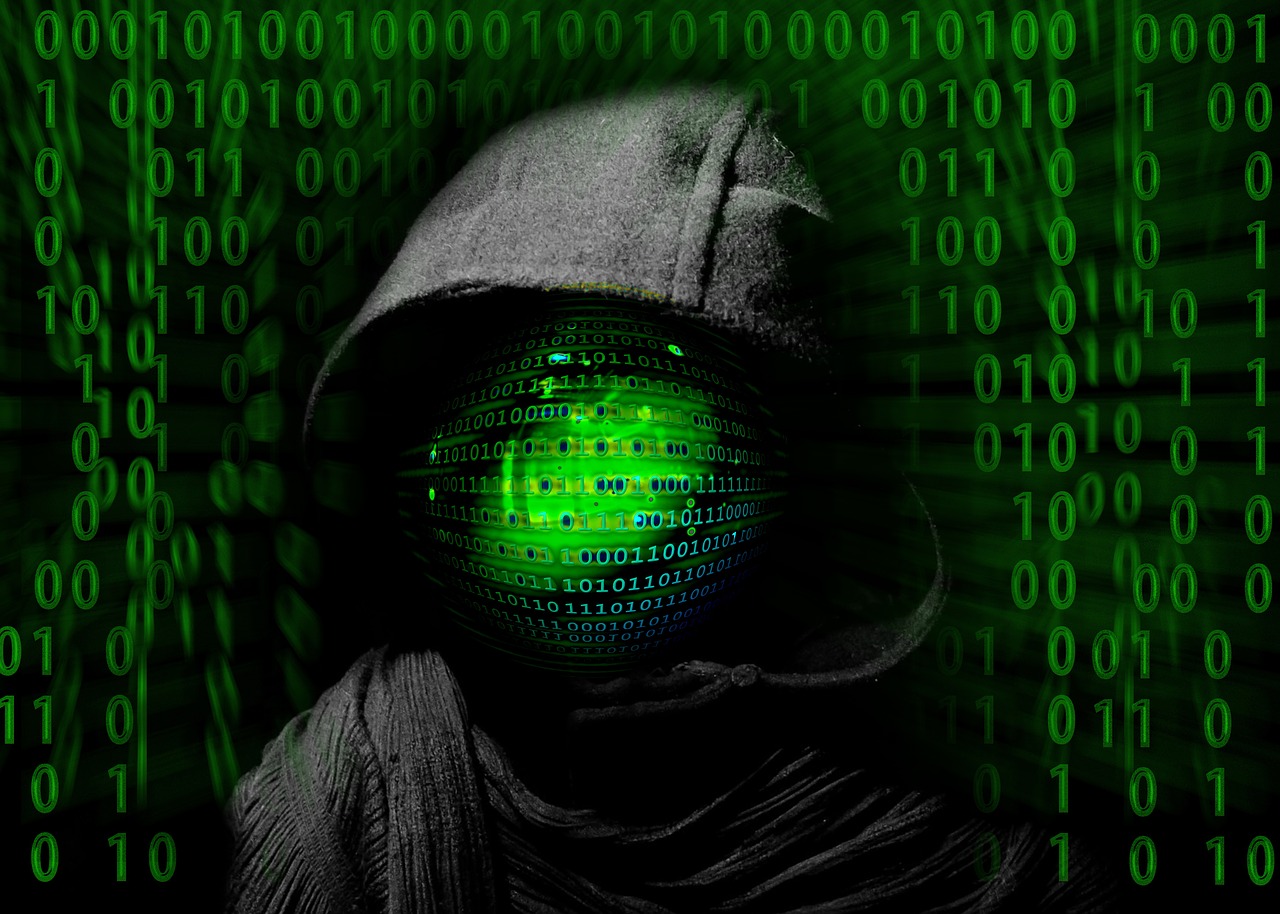


The reputation of the so-called Dark Web, the part of the Internet that can only be accessed via anonymity tools like the Tor browser and at one time home to the notorious Silk Road website, has gotten so bad that more than two out of three people would like to see it shut down.
That was the main finding of a new study by Canada-based think tank the Center for International Governance Innovation (CIGI) which surveyed more than 24,000 people from 24 countries to ask their opinions about the dark web.
“The basic perception is that it’s not a good thing,” Eric Jardine, a CIGI fellow and expert on dark web and Tor, told Wired.com. “For your average Joe or Jane, the dark web is not perceived as a very useful technology, and in fact it’s seen as harmful.”
Given that many people have never accessed the dark web or even properly understand what it is, the survey results may be equally telling about the level of ignorance among the average netizen. In its survey, CIGI simply describes the dark web as a part of the Internet that can only be accessed via special web browsers and offers total anonymity. It points out the positive aspects of the dark web, in that it allows dissidents, journalists, whistleblowers and others to make their voices heard, but it also states how hackers, illegal marketplaces and and child abusers can use it to evade detection.
Given that description, 72 percent of respondents (71 percent in the U.S.) said they believed the dark web should be closed down. CIGI didn’t propose any ideas for how they might go about doing so, however.
The results did vary quite a bit from country to country though. In nations like India, Indonesia and Mexico, where there’s a long history of terrorism and drugs-related violence, the overwhelming majority of people (around 80 percent) said they believed the dark web should be shut down. However, in more peaceful countries such as Sweden and Hong Kong, only 61 percent of people were against the dark web.
“Tor is part of the infrastructure of the Internet and provides people in horribly repressive countries with the ability to read and write freely. Tor ensures human rights,” said Kate Krauss, a spokesperson for the Tor Project, in defense of the dark web. “If you poll people about whether or not they support the right to free expression—some will say no. That doesn’t mean that free expression isn’t precious. Tor allows free expression.”
What’s most interesting about the survey is that although most people want the dark web shut down, most of those people also believe their governments are spying on their Internet activities. Just 38 perceived of those who wanted the dark web taken offline said they were confident their online activities were not being monitored, while only 46 percent believed online content they view is never censored.
Support our mission to keep content open and free by engaging with theCUBE community. Join theCUBE’s Alumni Trust Network, where technology leaders connect, share intelligence and create opportunities.
Founded by tech visionaries John Furrier and Dave Vellante, SiliconANGLE Media has built a dynamic ecosystem of industry-leading digital media brands that reach 15+ million elite tech professionals. Our new proprietary theCUBE AI Video Cloud is breaking ground in audience interaction, leveraging theCUBEai.com neural network to help technology companies make data-driven decisions and stay at the forefront of industry conversations.