 NEWS
NEWS
NEWS
NEWS





NEWS

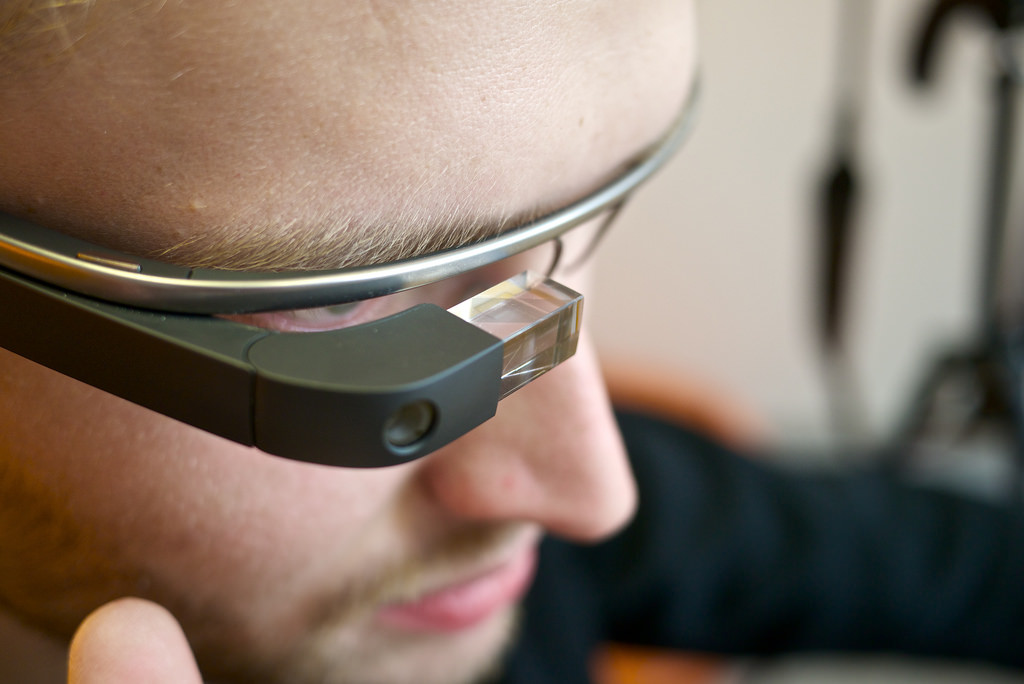
Google was one of the first major companies to jump on the augmented reality bandwagon when it first unveiled Google Glass several years ago, and it has dipped its toes into virtual reality with Google Cardboard. Now, according to a report by Engadget, it looks like Google might be ready to takes things a step further with a new project that would combine both augmented reality and virtual reality into a single device.
According to Engadget, sources with knowledge of the project said that Google is working on “a high-end headset” that will be fully mobile, requiring neither a computer nor a smartphone to function. If these reports are accurate, this would mean that Google’s new device would likely be a competitor to Microsoft Hololens, which contains its own power source and processor, rather than to a mobile VR device like Samsung Gear VR or a high-end PC VR device like Oculus Rift.
Hololens is primarily an augmented reality device with a field of view (FOV) that is too narrow for an immersive virtual reality experience. Hololens has an FOV that is somewhere between 30 and 40 degrees, meaning that the device’s display occupies only a small portion of the wearer’s vision. This makes sense in an AR device, as it allows wearers to retain their peripheral vision while wearing Hololens, but this small FOV would be extremely limiting in a VR device. For example, Oculus Rift and HTC Vive both have an FOV of 110 degrees, which is three to four times wider than the FOV on Hololens. This almost completely encloses users’ vision, fully immersing them in a virtual scene.
Engadget’s sources did not reveal any technical details of Google’s new project, but if it is indeed a VR/AR hybrid, then it would likely need a much wider field of view than Hololens. At the same time, it would also still need to allow wearers to retain their peripheral vision if the device is intended to be worn outside of the home.
There is also no indication of a potential release date or how much the device will cost, but if Google’s headset is anything like Hololens, it will likely not come cheap. The development kit for Hololens is currently $3,000.
Support our mission to keep content open and free by engaging with theCUBE community. Join theCUBE’s Alumni Trust Network, where technology leaders connect, share intelligence and create opportunities.
Founded by tech visionaries John Furrier and Dave Vellante, SiliconANGLE Media has built a dynamic ecosystem of industry-leading digital media brands that reach 15+ million elite tech professionals. Our new proprietary theCUBE AI Video Cloud is breaking ground in audience interaction, leveraging theCUBEai.com neural network to help technology companies make data-driven decisions and stay at the forefront of industry conversations.