 CLOUD
CLOUD
CLOUD
CLOUD








CLOUD

Business must adapt or be left behind. What does that mean, though, when adapting involves the cloud? While moving data and certain computing operations to a virtualized environment might be necessary, it’s also difficult to sort the value proposition from vendor pitches when it comes to taking on the costly and company-specific journey to the cloud.
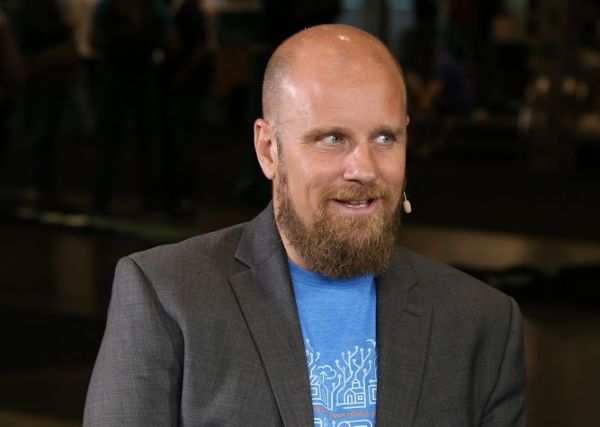
“My team, anybody’s team, doesn’t matter what you’re doing in technology, that’s your end goal, to deliver value,” said Brian Gregory (pictured), director of information technology, cloud strategy and engineering, at Express Scripts Holding Co.
Gregory spoke with Stu Miniman (@stu) and John Troyer (@jtroyer), co-hosts of theCUBE, SiliconANGLE’s mobile livestreaming studio, during the Cloud Foundry Summit in Santa Clara, California. He discussed Express Scripts, moving to the cloud and some challenges along the way.
Express Scripts sees itself as a technology company even though it is in the business of pharmacy benefits management. While the business does serve patients, its stated goal is to make prescriptions safer and more affordable for all patients.
When Express Scripts decided a cloud strategy was a “real thing,” it had to consider how to make it happen, Gregory explained. The company couldn’t just stop the organization to rebuild everything, but it did need to figure out this new technology. The company turned toward Cloud Foundry, a full-fledged platform that could integrate with various clouds and multi-cloud systems.
The move to the cloud wasn’t a whim, according to Gregory. Express Scripts needed speed and a place to develop new software; plus, the cost savings were attractive. All these reasons came down to delivering value to patients as fast and seamless as possible.
“That’s not for us to go build a homebrew system that does those things; you can go buy and integrate them,” Gregory said.
Even so, standing up a cloud system was a learning experience for the team. Fortunately, cloud technology makes it easy to change things. In the cloud, no one has to wait for three months to course-correct. The team also found themselves teaching developers the advantages of the new system.
“You had to show them the features and functionality and why it matters to them,” Gregory said.
Watch the complete video interview below, and be sure to check out more of SiliconANGLE’s and theCUBE’s independent editorial coverage of Cloud Foundry Summit.
Support our mission to keep content open and free by engaging with theCUBE community. Join theCUBE’s Alumni Trust Network, where technology leaders connect, share intelligence and create opportunities.
Founded by tech visionaries John Furrier and Dave Vellante, SiliconANGLE Media has built a dynamic ecosystem of industry-leading digital media brands that reach 15+ million elite tech professionals. Our new proprietary theCUBE AI Video Cloud is breaking ground in audience interaction, leveraging theCUBEai.com neural network to help technology companies make data-driven decisions and stay at the forefront of industry conversations.