 CLOUD
CLOUD
CLOUD
CLOUD









CLOUD

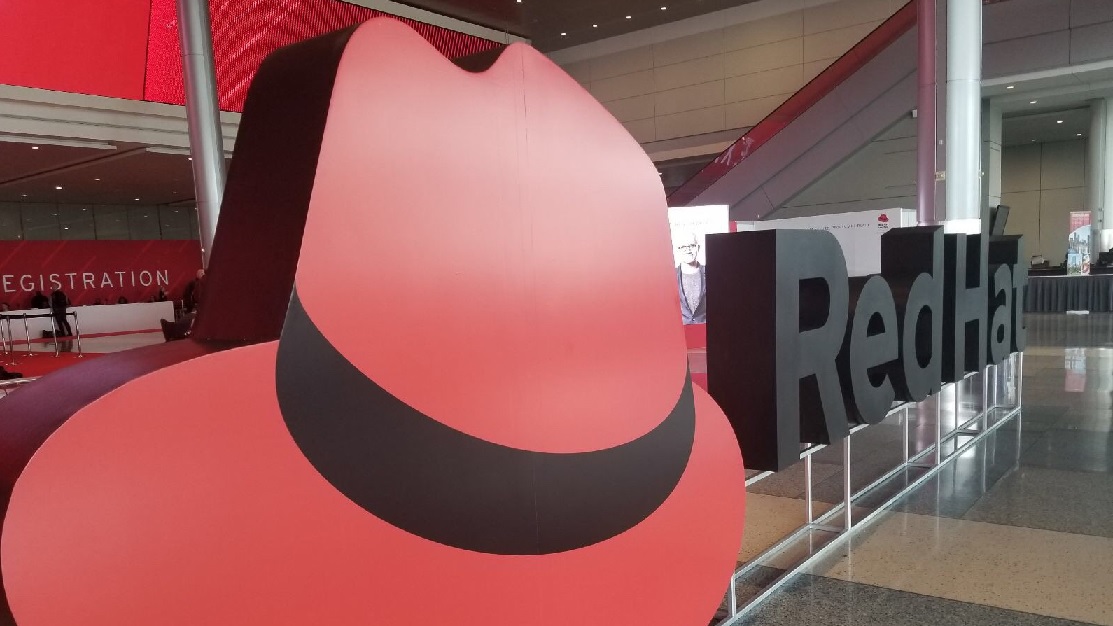
Red Hat Inc. made news on two major fronts in less than 48 hours this week.
On the product side, the open-source company released Red Hat Enterprise Linux 8 today. It was notable for a redesign to accommodate the hybrid cloud era.
“People today have multiple clouds, and they have a lot of different ways they want to do things,” Stu Miniman, co-host of theCUBE, SiliconANGLE Media’s mobile livestreaming studio, said during the opening day of the Red Hat Summit in Boston. “Red Hat is going to make sure that they help bridge the gap and help simplify those environments across the board.”
Miniman was joined by John Walls, co-host of theCUBE. The duo discussed Red Hat’s revised cycle for future releases, how the company will operate after its acquisition by IBM Corp., and the strengths each firm will need to leverage going forward (see the full interview with transcript here). (* Disclosure below.)
The latest RHEL version was issued nearly five years after the last major release. That’s an eternity in today’s fast-moving enterprise computing world, and the company plans to accelerate that timetable going forward, according to Miniman.
“My understanding is that they’re going to do major releases every three years and minor releases every six months so that cadence is a little bit more like the cloud,” Miniman said.
Tuesday’s release came barely 24 hours after the U.S. Department of Justice announced that it had given the green light to IBM’s acquisition of Red Hat for $34 billion, previously disclosed in October. The federal government’s approval does not make the deal final yet, but it removes a major potential obstacle to closing the deal.
It also renewed speculation about how the two combined enterprise powerhouses will coexist.
“There are some different approaches between IBM and Red Hat, in terms of their institutional legacies, in terms of their processes,” Walls said. “Can they truly run independently and, if you’re IBM, can you let them run on their own?”
The analysts noted that the top executives of both IBM and Red Hat had publicly pledged to keep Red Hat’s unique open-source identity, including foregoing layoffs, at least for the near future. The challenge will be leveraging the major pieces of each other’s business to achieve success.
“What is the biggest piece of IBM’s business?” Miniman asked. “It’s services. That army of services, both from IBM and all of their system integrator partners that they work with, can really supercharge and help scale some of the environments that Red Hat is doing.”
Here’s the complete video analysis, part of SiliconANGLE’s and theCUBE’s coverage of Red Hat Summit 2019. (* Disclosure: TheCUBE is a paid media partner for Red Hat Summit. Neither Red Hat Inc., the sponsor for theCUBE’s event coverage, nor other sponsors have editorial control over content on theCUBE or SiliconANGLE.)
Support our mission to keep content open and free by engaging with theCUBE community. Join theCUBE’s Alumni Trust Network, where technology leaders connect, share intelligence and create opportunities.
Founded by tech visionaries John Furrier and Dave Vellante, SiliconANGLE Media has built a dynamic ecosystem of industry-leading digital media brands that reach 15+ million elite tech professionals. Our new proprietary theCUBE AI Video Cloud is breaking ground in audience interaction, leveraging theCUBEai.com neural network to help technology companies make data-driven decisions and stay at the forefront of industry conversations.