 AI
AI
AI
AI










AI

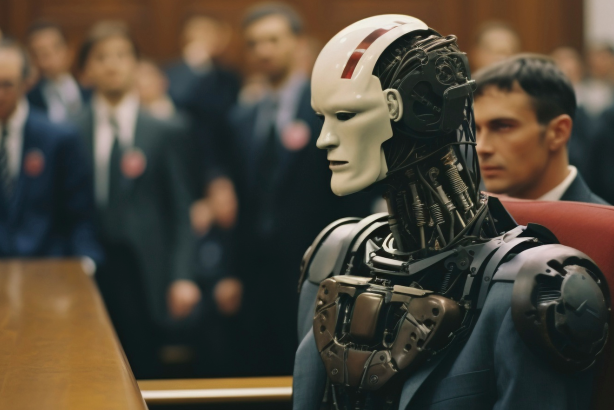
U.S. Supreme Court Chief Justice John Roberts urged “caution and humility” regarding the use of artificial intelligence in the legal field, in a report published Sunday, saying the technology is a “mixed blessing.”
In the 13-page report, Roberts acknowledged that AI had the potential to increase access to justice for litigants, while transforming legal research and helping courts resolve cases far more quickly and at lower costs. However, he also noted the privacy concerns surrounding the use of AI, and pointed out its inability to replace human discretion, Reuters reported today.
“I predict that human judges will be around for a while,” he wrote. However, he added he was confident that judicial work, especially at the trial level, “will be significantly affected by AI.”
Chief Justice Roberts’ comments on AI come at a time when a number of lower courts are said to be contending with a technology that’s capable of passing the bar exam but also known for generating fake content, known in the industry as “hallucinations.”
According to Roberts, any use of AI by the legal system requires “caution and humility.” He pointed out examples of the dangers of hallucinations, which have caused lawyers to cite nonexistent legal cases in their court papers. He did not elaborate on this, except to say such incidents had “made headlines” in the past year.
One such report occurred just last week, when Donald Trump’s former lawyer Michael Cohen told a court that papers unsealed last week and mistakenly given to his attorney contained fake case citations that were created by an AI program.
Last month, a federal appeals court in New Orleans made headlines when it unveiled proposed rule changes aimed at regulating the use of generative AI tools such as ChatGPT by lawyers. It was said to be the first such proposal of any of the 13 U.S. appeals courts.
The new rules proposed by the 5th U.S. Circuit of Appeals would require lawyers appearing before it to certify that they either did not rely on AI programs to draft any briefs, or that the text created by an AI system had been reviewed for accuracy by humans.
Support our mission to keep content open and free by engaging with theCUBE community. Join theCUBE’s Alumni Trust Network, where technology leaders connect, share intelligence and create opportunities.
Founded by tech visionaries John Furrier and Dave Vellante, SiliconANGLE Media has built a dynamic ecosystem of industry-leading digital media brands that reach 15+ million elite tech professionals. Our new proprietary theCUBE AI Video Cloud is breaking ground in audience interaction, leveraging theCUBEai.com neural network to help technology companies make data-driven decisions and stay at the forefront of industry conversations.