 AI
AI
AI
AI





AI

Agentic workflows are moving automation into a new era, shifting from rigid rule-based tasks to adaptive, goal-driven processes that respond to real-world complexity.
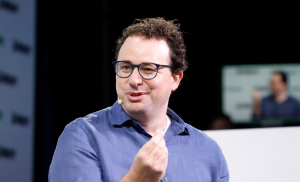
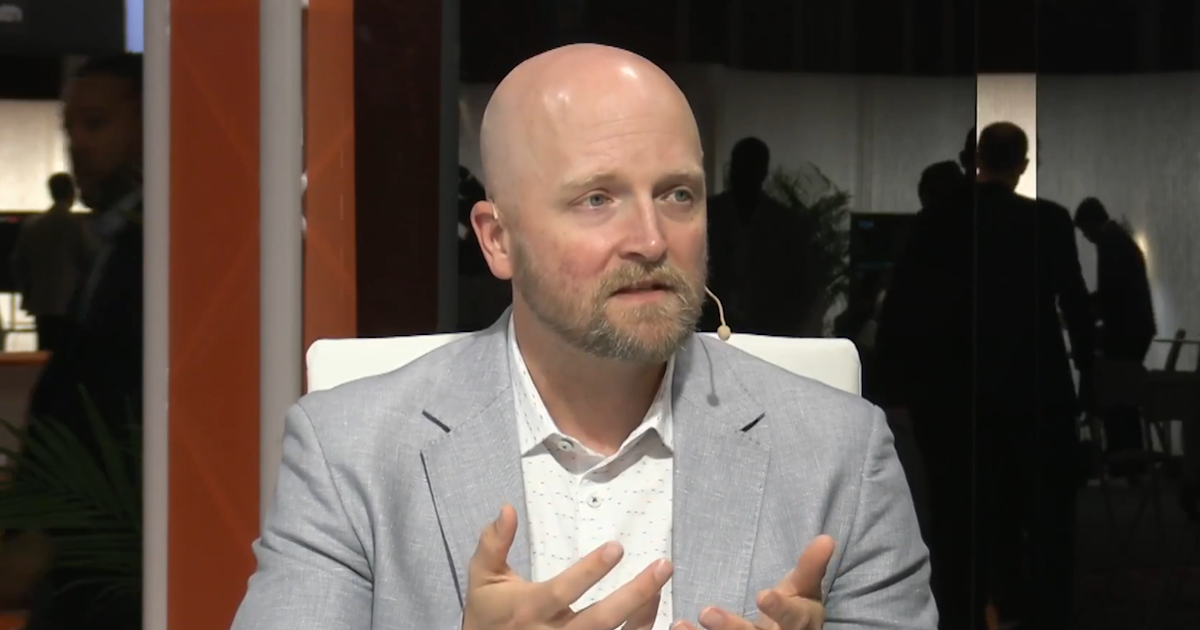
This shift is more than just a technical upgrade — it’s redefining how enterprises think about efficiency, scalability and trust. Rather than settling for incremental improvements, organizations are embracing ambitious strategies that blend deterministic automation with adaptive, agent-driven intelligence. The result is a demand for orchestration platforms capable of uniting humans, robots and agents into one cohesive system that can evolve alongside business needs, according to Graham Sheldon (pictured), chief product officer of UiPath Inc.

“Through acquisition, through building our own technology, we’ve added a lot of other capabilities to that,” Sheldon said. “Things like understanding documents in depth with AI and machine learning. Things like computer vision over time. The real opportunity is combining that with the sort of goal-based automation that agents are now capable of doing.”
Sheldon spoke with theCUBE’s Dave Vellante and Rebecca Knight at UiPath Fusion, during an exclusive broadcast on theCUBE, SiliconANGLE Media’s livestreaming studio. They discussed UiPath’s evolution from robotic process automation to agentic workflows, highlighting Maestro as the orchestration engine for end-to-end enterprise automation. (* Disclosure below.)
The adoption of agentic workflows is not about replacing existing systems but orchestrating them in new ways. UiPath’s Maestro platform is designed as a control plane that allows enterprises to blend robots, agents and human oversight without reinventing their entire technology stack. This approach enables businesses to deploy automation quickly while adapting to unique operational needs, Sheldon explained.
“Some of the most recent advancements in the platform include Maestro,” he said. “Maestro is like a control plane … for doing this orchestration end-to-end and using the right capabilities for the right task. What we do to try to help them is provide Maestro as a way to sort of model what that end-to-end process looks like to be able to automate specific pieces of it, either with robots, for that deterministic work or agents for the non-deterministic work and human in the loop for when people need to make those final decisions.”
A critical advantage of this orchestration model lies in its ability to surface insights and optimize processes over time. By modeling and visualizing workflows, organizations gain visibility into bottlenecks and can make iterative improvements while maintaining reliability and compliance. That adaptability is especially important for industries where the stakes are high and errors cannot be tolerated, Sheldon emphasized.
“Maestro helps you visualize it for sure,” he added. “To help bring everyone together to understand what the business process actually is, but it also helps you orchestrate it and execute it and then optimize it over time.”
The evolution of agentic workflows also depends on human oversight, according to Sheldon. UiPath emphasizes that in highly regulated sectors such as healthcare and financial services, human-in-the-loop decision-making remains essential. Automation may accelerate processes, but trust and compliance hinge on people making final calls where outcomes are critical.
“I think that humans will be involved for the most critical decisions for the foreseeable future and over time,” Sheldon said.
Here’s the complete video interview, part of SiliconANGLE’s and theCUBE’s coverage of UiPath Fusion:
(* Disclosure: TheCUBE is a paid media partner for UiPath Fusion. Neither UiPath Inc., the sponsor of theCUBE’s event coverage, nor other sponsors have editorial control over content on theCUBE or SiliconANGLE.)
Support our mission to keep content open and free by engaging with theCUBE community. Join theCUBE’s Alumni Trust Network, where technology leaders connect, share intelligence and create opportunities.
Founded by tech visionaries John Furrier and Dave Vellante, SiliconANGLE Media has built a dynamic ecosystem of industry-leading digital media brands that reach 15+ million elite tech professionals. Our new proprietary theCUBE AI Video Cloud is breaking ground in audience interaction, leveraging theCUBEai.com neural network to help technology companies make data-driven decisions and stay at the forefront of industry conversations.