AI-driven modernization is pushing telecom operators into an urgent infrastructure reset, with energy efficiency now a prerequisite for future revenue growth.
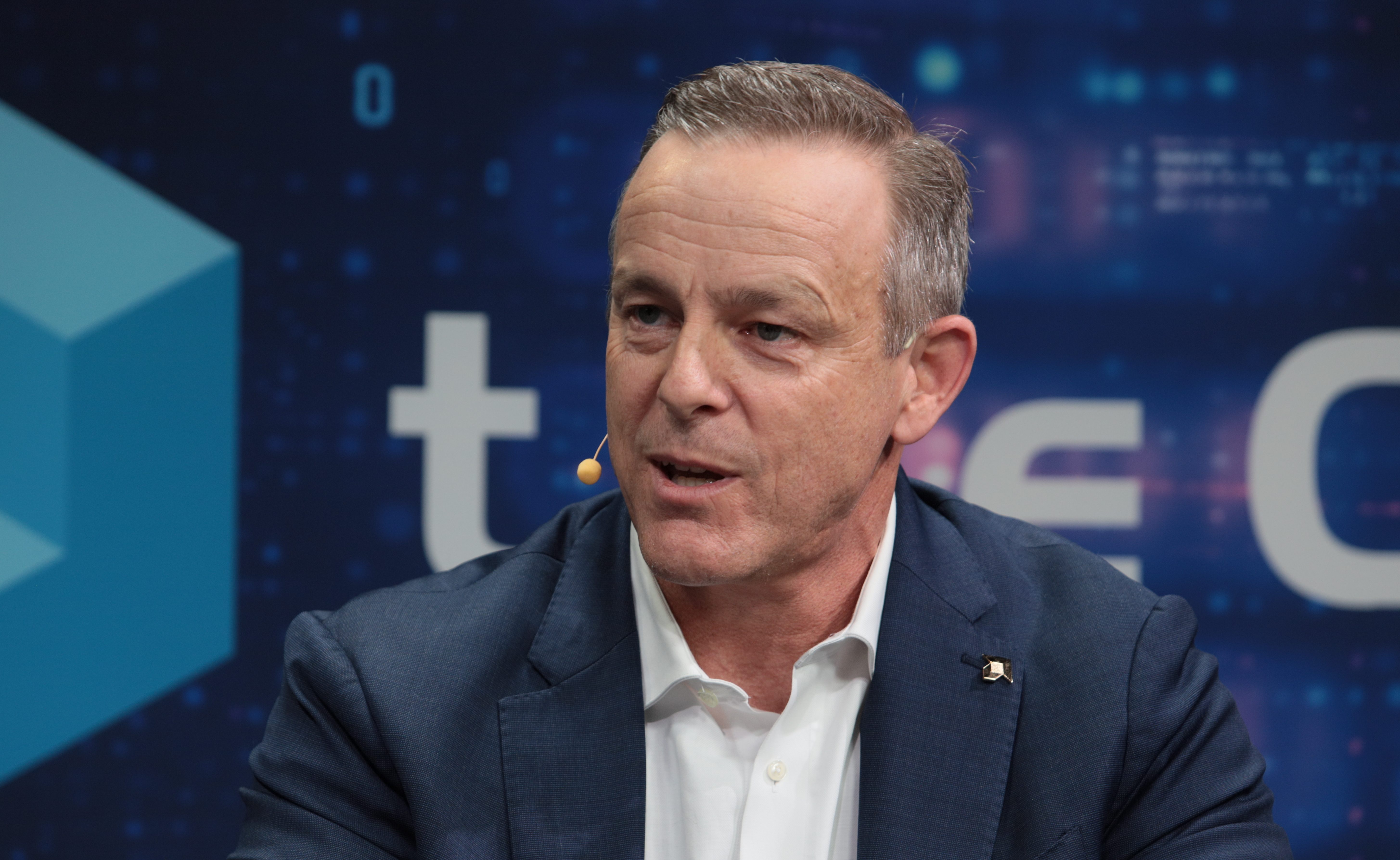
Providers are confronting growing strain as AI workloads collide with infrastructure built for a different era. The immediate focus is stabilizing and upgrading the core so that networks can support AI growth without driving unsustainable energy costs, according to Derek Dicker (pictured), corporate vice president of the Enterprise Business Group at Advanced Micro Devices Inc.
“I think that the single biggest thing that they’re focusing on right now is how do they take their existing infrastructure … and make sure that they modernize it predominantly for the purposes of preserving the performance and then lowering the power,” Dicker said. “Everything that I hear when we talk to customers is [around] how can we actually take the power structure of these solutions and make them much more efficient.”
Dicker spoke with theCUBE’s John Furrier and Dave Vellante at MWC Barcelona, during an exclusive broadcast on theCUBE, SiliconANGLE Media’s livestreaming studio. They discussed an AI-driven modernization playbook for telcos as AI demand drives a fundamental redesign of core and edge infrastructure. (* Disclosure below.)
AI-driven modernization demands efficiency over chasing capacity
The push to upgrade core infrastructure for efficiency is part of a broader wave of AI-driven modernization demands sweeping telecom networks. Operators are increasingly examining every layer of the technology stack — from silicon to systems software — to unlock efficiency gains while maintaining uptime and service quality. Working with Deutsche Telekom, AMD and its partners found that operators often kept network capacity running during low-demand periods because coordinating power controls across hardware and software layers was complex, Dicker noted.
“It took work to go get all the different layers harmonized in one way,” he said. “Every single layer of a stack has the ability to reduce power, but nobody [had] sat down and gone and looked at it at that level.”
Legacy server sprawl is compounding the current urgency, as much of the installed base now sits two or three generations behind current technology, creating mounting power, space and cost pressures just as AI deployments accelerate, according to Dicker. Consolidation as a tenet of AI-driven modernization can free both capital and physical capacity to fund new AI infrastructure, he added. But for many operators, the challenge now extends beyond consolidation to simplifying how AI infrastructure is deployed and scaled.
“Ultimately, what the customers are looking for is a way to implement AI without having to be involved in all of the depths of constructing a system and a solution,” Dicker said. “If we take that and we bake that into what we deliver out into the end market, but more importantly … we [also] actually enable standards and allow people to innovate on top of it. We think that’s the source of differentiation that we offer that maybe some of the others in the industry don’t.”
Here’s the complete video interview, part of SiliconANGLE’s and theCUBE’s coverage of MWC Barcelona:
(* Disclosure: TheCUBE is a paid media partner for MWC Barcelona. Sponsors of theCUBE’s event coverage do not have editorial control over content on theCUBE or SiliconANGLE.)
Photo: SiliconANGLE
A message from John Furrier, co-founder of SiliconANGLE:
Support our mission to keep content open and free by engaging with theCUBE community. Join theCUBE’s Alumni Trust Network, where technology leaders connect, share intelligence and create opportunities.
15M+ viewers of theCUBE videos, powering conversations across AI, cloud, cybersecurity and more
11.4k+ theCUBE alumni — Connect with more than 11,400 tech and business leaders shaping the future through a unique trusted-based network
Are you an AWS customer? Support SiliconANGLE financially by buying your AWS services from our Marketplace portal page and links: https://siliconangle.com/aws-marketplace/
About SiliconANGLE Media
SiliconANGLE Media is a recognized leader in digital media innovation, uniting breakthrough technology, strategic insights and real-time audience engagement. As the parent company of SiliconANGLE, theCUBE Network, theCUBE Research, CUBE365, theCUBE AI and theCUBE SuperStudios — with flagship locations in Silicon Valley and the New York Stock Exchange — SiliconANGLE Media operates at the intersection of media, technology and AI.
Founded by tech visionaries John Furrier and Dave Vellante, SiliconANGLE Media has built a dynamic ecosystem of industry-leading digital media brands that reach 15+ million elite tech professionals. Our new proprietary theCUBE AI Video Cloud is breaking ground in audience interaction, leveraging theCUBEai.com neural network to help technology companies make data-driven decisions and stay at the forefront of industry conversations.



 INFRA
INFRA