 AI
AI
AI
AI









AI

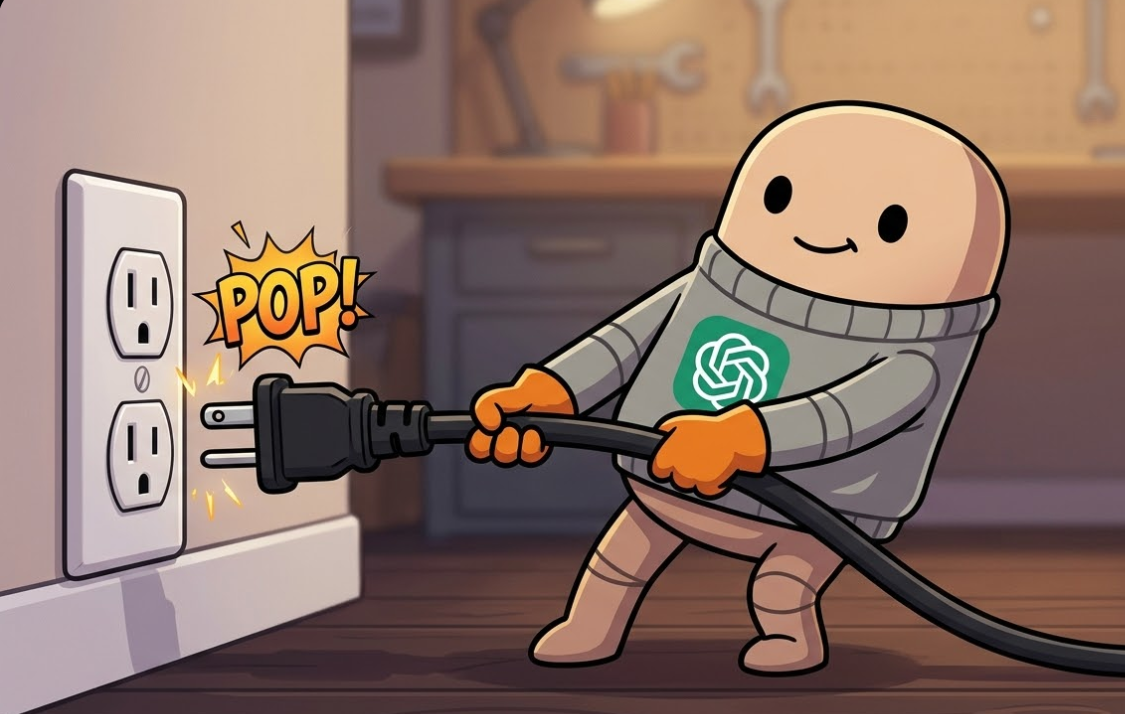
In a dramatic U-turn, OpenAI Group PBC has announced it’s discontinuing its vaunted Sora AI video application, just months after rolling out a massive update.
The decision comes in the wake of declining interest in the generative artificial intelligence video platform, according to a report in the Wall Street Journal.
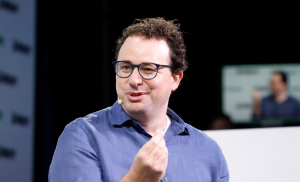
Co-founder and Chief Executive Sam Altman revealed the decision today, telling staff in an email that the company will wind down all products that use its video models. It’s dropping both the consumer app and also a version for developers. ChatGPT will no longer support video functions either. In a social media post, OpenAI thanked Sora’s users, saying it understands that the news will be “disappointing.”
AI video generators generated a ton of buzz when they first emerged, giving users the ability to create slick videos quickly based on simple natural language prompts. OpenAI launched Sora in February 2024, sparking a lot of discussion about whether or not AI would disrupt content creation, filmmaking and media production.
In September 2025, it unveiled a more powerful version of that tool, called Sora 2, which was able to generate longer and more realistic clips. It also introduced new features such as “cameos,” which allowed users to create videos of themselves with friends, famous personalities and so on. The app quickly shot to the top of Apple Inc.’s App Store.
But despite that update, the reality is that most AI-generated videos still aren’t realistic enough to fool people. The result has been a deluge of so-called “AI slop,” namely the low-quality or deliberately deceptive AI-generated videos that have swamped social media platforms.
Sora has been controversial in other ways. Last year, a wave of users produced what OpenAI termed as “disrespectful depictions” of Martin Luther King Jr., which prompted it to temporarily block anyone from making videos that depicted his likeness. The app also raised alarm among copyright and deepfake experts worried about the potential for abuse.
Nonetheless, the app won over some major fans too. Walt Disney Co. said in December it had agreed a multiyear licensing deal with OpenAI that would enable Sora users to create videos featuring famous characters such as Mickey Mouse, as well as those from the Pixar, Marvel and Star Wars universes, which it also owns. Disney promised to become a “major customer” of OpenAI, saying it would use AI to create new products and experiences for customers.
But with the app’s shutdown, Disney said its investment in Sora is being cancelled. “As the nascent AI field advances rapidly, we respect OpenAI’s decision to exit the video generation business and to shift its priorities elsewhere,” a spokesperson for the company told the Journal.
The decision to shut down Sora comes as OpenAI tries to pivot toward business customers and replicate the success of its rival Anthropic PBC, which has become extremely popular with enterprises thanks to its coding capabilities. The ChatGPT maker wants to shift more of its precious compute resources to productivity tools that can be used by businesses and individuals alike.
In line with that strategy, OpenAI last week said it will be combining the ChatGPT desktop app with its coding tool Codex and its web browser into a single AI “superapp.” Meanwhile, the team that was working on Sora will instead focus on longer-term and potentially more profitable bets such as autonomous robots, Altman said.
OpenAI is racing to try and catch up with Anthropic, which has created a multibillion-dollar revenue stream by focusing on enterprise customers. Earlier this month, in an all-hands meeting, OpenAI’s applications chief Fidji Simo told employees to avoid being distracted by “side quests.” Instead, he wants them to focus on agentic systems that can perform tasks on behalf of humans and enhance their productivity.
OpenAI’s exit doesn’t mean that AI-generated video is going away. Instead, it will likely just create more room for dedicated AI video startups such as Runway Inc. and Lightricks Inc. to fly the flag.
Support our mission to keep content open and free by engaging with theCUBE community. Join theCUBE’s Alumni Trust Network, where technology leaders connect, share intelligence and create opportunities.
Founded by tech visionaries John Furrier and Dave Vellante, SiliconANGLE Media has built a dynamic ecosystem of industry-leading digital media brands that reach 15+ million elite tech professionals. Our new proprietary theCUBE AI Video Cloud is breaking ground in audience interaction, leveraging theCUBEai.com neural network to help technology companies make data-driven decisions and stay at the forefront of industry conversations.