 CLOUD
CLOUD
CLOUD
CLOUD







CLOUD

As enterprises race to adopt AI without sacrificing control or flexibility, open-source infrastructure is the stable foundation that enables organizations to modernize while maintaining full digital sovereignty.
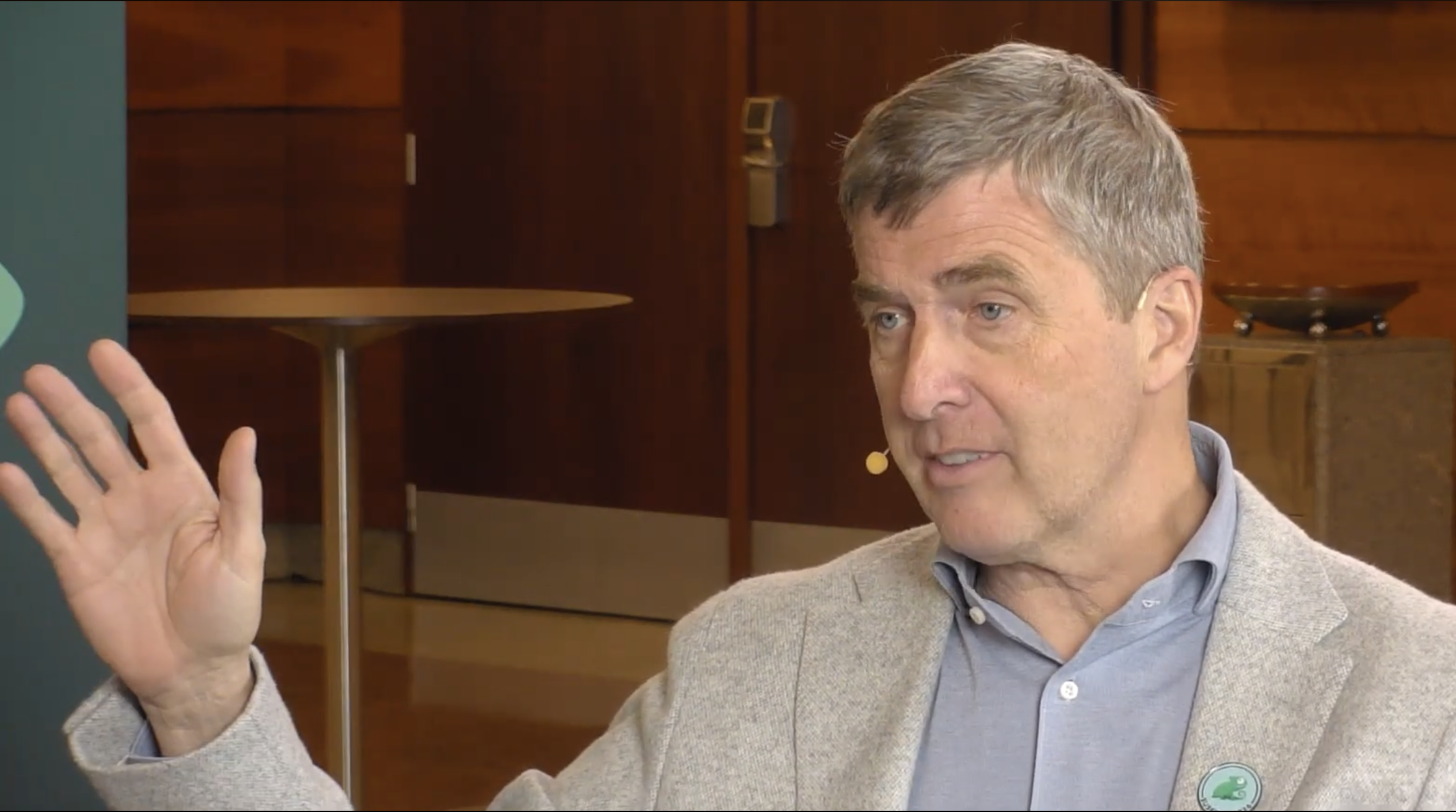
The promise of cloud computing was flexibility — but for many enterprises, years of deepening proprietary dependencies have quietly turned that flexibility into a constraint. That is a tension which open-source infrastructure providers such as SUSE S.A. are increasingly asked to solve. The company has watched organizations lock themselves into single-cloud and single-vendor strategies — only to find themselves trapped when pricing power shifts and innovation slows, according to Dirk-Peter van Leeuwen (pictured), chief executive officer of SUSE.
“What is important for us now is to find that balance for our customers and help them — in a world that’s very complex — to simplify things, but also do it in a way that you don’t have to throw away everything you invested in,” van Leeuwen told theCUBE. “You want to lower the cost of ownership of things that you already have for many years that are stable. At the same time, you want to then also free your budget to do all those things you need to do with AI.”
Van Leeuwen spoke with Paul Nashawaty at SUSECON 2026, during an exclusive broadcast on theCUBE, SiliconANGLE Media’s livestreaming studio. They discussed SUSE’s five-pathway resilience strategy, open-source infrastructure, data sovereignty and the company’s expanding edge-to-cloud portfolio. (* Disclosure below.)
Data sovereignty has become a prerequisite rather than an afterthought as enterprises weigh AI adoption. Every conversation with a chief information officer now surfaces concern about large language models consuming proprietary data — and the risk that intellectual property exits through AI outputs before companies can capitalize on it, van Leeuwen noted. Gartner Inc. research predicts that more than 75% of enterprises will have a digital sovereignty strategy in place by 2030. Increasingly, that awareness is reshaping how enterprises lay the groundwork for AI adoption.
“If the information that the models learn from is intellectual property, then you don’t want your intellectual property to leave through the front door because a large language model offers it up to the wider audience,” van Leeuwen said. “Data sovereignty and data security is really on front of mind of every large enterprise before they start adopting AI.”
SUSE is addressing the tension with a five-pathway resilience framework spanning digital sovereignty, operational efficiency, cloud portability, edge and AI adoption — structured so that organizations can enter at whatever point matches their maturity, according to van Leeuwen. Kubernetes-based portability is central to that approach, allowing enterprises to develop workloads once and deploy them across any cloud or on-premises. Large enterprises are increasingly choosing the latter, precisely because they refuse to let mission-critical data leave their own walls, he added.
“You have to find the solution that allows you to consume the continuous stream of innovation that comes from AI and do it on a platform that is stable enough to handle that innovation,” he said. “You want a stable core — a foundation that you invest [in] with your GPUs and with all the infrastructure you need — and then benefit from all the innovation on top without having to constantly rip and replace.”
Here’s the complete video interview, part of SiliconANGLE’s and theCUBE’s coverage of SUSECON 2026:
(* Disclosure: TheCUBE is a paid media partner for SUSECON 2026. Neither SUSE, the sponsor of theCUBE’s event coverage, nor other sponsors have editorial control over content on theCUBE or SiliconANGLE.)
Support our mission to keep content open and free by engaging with theCUBE community. Join theCUBE’s Alumni Trust Network, where technology leaders connect, share intelligence and create opportunities.
Founded by tech visionaries John Furrier and Dave Vellante, SiliconANGLE Media has built a dynamic ecosystem of industry-leading digital media brands that reach 15+ million elite tech professionals. Our new proprietary theCUBE AI Video Cloud is breaking ground in audience interaction, leveraging theCUBEai.com neural network to help technology companies make data-driven decisions and stay at the forefront of industry conversations.