 AI
AI
AI
AI





AI

AI-driven workflows are quietly redefining how work actually gets done.
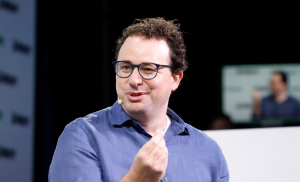
As organizations move beyond isolated automation, the emphasis is shifting toward embedding intelligence directly into the flow of work rather than layering it on top. Atlassian Corp.’s evolving platform reflects this broader transition, connecting agents, applications and shared knowledge into a more unified operating layer. The shift signals a push to simplify complexity while aligning teams more tightly around outcomes, setting the stage for a different model of enterprise execution, according to Mike Cannon-Brookes, co-founder and CEO of Atlassian.
“If something’s broken or needlessly complex, don’t just grumble. Fix it,” Cannon-Brookes said. “I get frustrated when things don’t work the way they should. Then I try to change them. Ten years from now, we’ll look back and say, ‘That era was crazy.’”
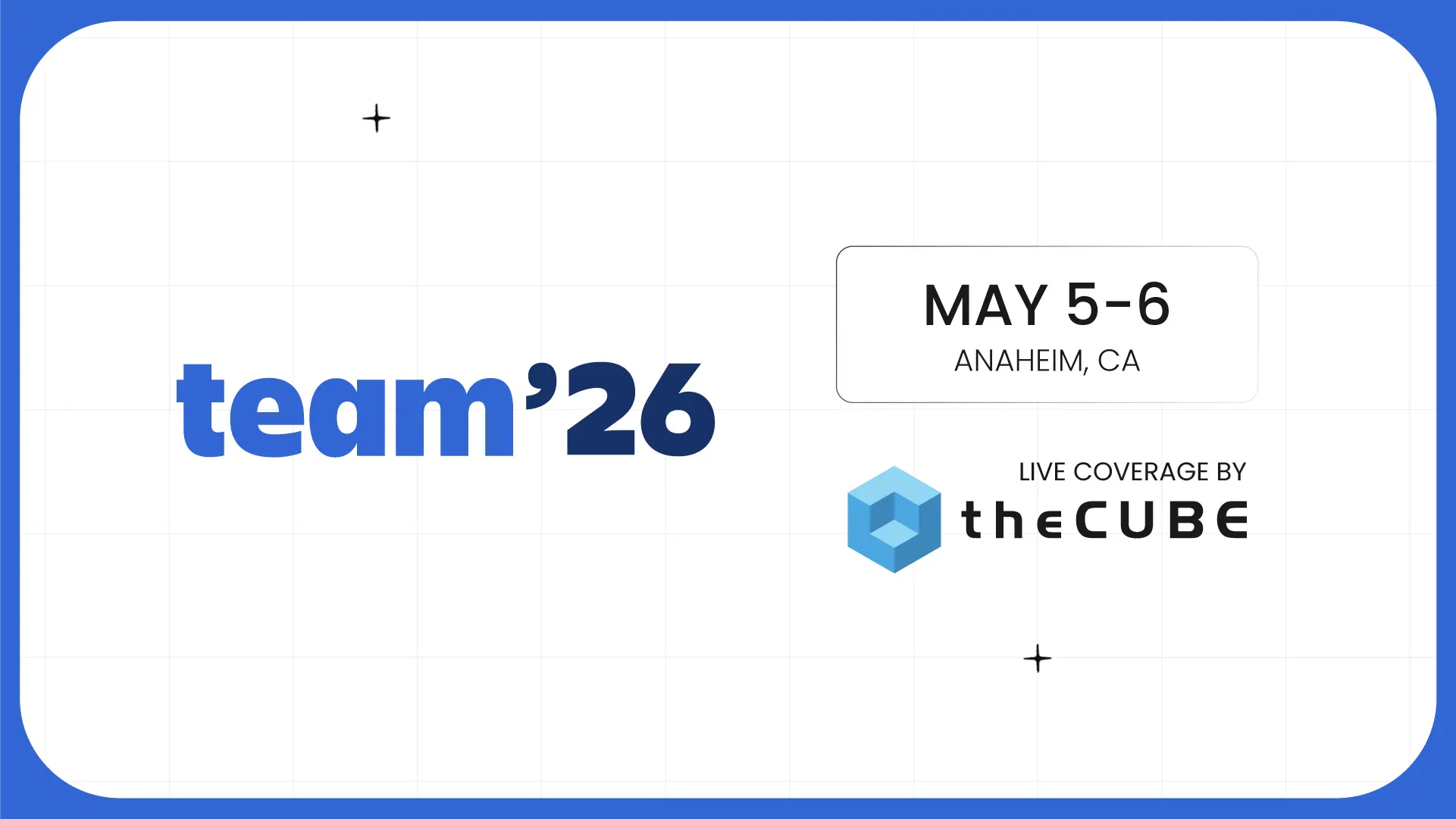
The Atlassian Team event, taking place in Anaheim, California, is highlighting how enterprises are restructuring operations around AI-infused processes rather than relying on standalone systems. TheCUBE’s live coverage, from May 5–6, will feature interviews and on-the-ground analysis focused on how organizations are embedding AI into workflows as they navigate governance and integration challenges at scale. (* Disclosure below.)
As workflows become the core layer for intelligence, governance is emerging as a defining requirement rather than an afterthought. Enterprises are realizing that embedding AI into everyday operations introduces new risks around accountability, decision-making and oversight, forcing a more disciplined approach to how these systems are designed and managed, noted Paul Nashawaty, principal analyst at theCUBE Research.
“As AI becomes embedded across the software lifecycle, governance isn’t optional, it’s foundational,” he explained. “Organizations need to adopt these capabilities with clear safeguards and accountability from day one.”
This shift is also changing how platforms are structured, with a growing emphasis on integrating data, context and execution into a single environment. Atlassian’s approach reflects that direction, aiming to reduce fragmentation while enabling teams to work from a shared system that supports continuous collaboration and delivery, emphasized Cannon-Brookes.
“Creativity isn’t scarcity — it’s capacity,” he said. The more people who can build, the more important design and culture become to make sure what they build actually matters and makes a positive impact on users’ lives.
As these environments scale, infrastructure partnerships and platform capabilities are becoming central to how AI is operationalized. Organizations are looking for ways to embed agents directly into workflows while maintaining flexibility, giving teams the ability to act on insights without losing control of how work is executed, according to Jamil Valliani, head of product for AI at Atlassian.
“With Google Cloud, we’re co-engineering the infrastructure and AI agents that teams will rely on to deliver mission-critical work,” he said. “By combining our AI-powered system of work and Rovo with Google Cloud’s leading AI stack, we’re giving customers more choice and powerful agentic workflows to improve how work gets done.”
At the same time, integration complexity is becoming one of the biggest barriers to scaling AI-driven workflows. As more models, tools and systems are introduced, the challenge shifts to ensuring that everything works together in a cohesive way, without creating new silos or operational bottlenecks, Nashawaty pointed out.
“Every layer of AI you introduce increases integration complexity,” he said. “More models mean more APIs, and that puts pressure on teams to manage interoperability as a first-class priority.”
Don’t miss theCUBE’s coverage of Atlassian Team, from May 5–6. Plus, you can watch theCUBE’s event coverage on-demand after the live event.
We offer you various ways to watch theCUBE’s coverage of Atlassian Team, including theCUBE’s dedicated website and YouTube channel. You can also get all the coverage from this year’s events on SiliconANGLE.
SiliconANGLE’s “theCUBE Pod” is available on Apple Podcasts, Spotify and YouTube, which you can enjoy while on the go. During each podcast, SiliconANGLE’s John Furrier and Dave Vellante unpack the biggest trends in enterprise tech — from AI and cloud to regulation and workplace culture — with exclusive context and analysis.
SiliconANGLE also produces our weekly “Breaking Analysis” program, where Dave Vellante examines the top stories in enterprise tech, combining insights from theCUBE with spending data from Enterprise Technology Research, available on Apple Podcasts, Spotify and YouTube.
At the Atlassian Team event, theCUBE analysts will focus on how organizations are reshaping operations around AI-infused workflows, moving beyond standalone automation toward systems where intelligence is embedded directly into everyday work. Coverage will examine how enterprises are navigating governance, integration complexity and platform design as AI becomes part of the execution layer itself. Tune in for our on-the-ground interviews and analysis from May 5–6.
(* Disclosure: TheCUBE is a paid media partner for the Atlassian Team event. Sponsors of theCUBE’s event coverage do not have editorial control over content on theCUBE or SiliconANGLE.)
Support our mission to keep content open and free by engaging with theCUBE community. Join theCUBE’s Alumni Trust Network, where technology leaders connect, share intelligence and create opportunities.
Founded by tech visionaries John Furrier and Dave Vellante, SiliconANGLE Media has built a dynamic ecosystem of industry-leading digital media brands that reach 15+ million elite tech professionals. Our new proprietary theCUBE AI Video Cloud is breaking ground in audience interaction, leveraging theCUBEai.com neural network to help technology companies make data-driven decisions and stay at the forefront of industry conversations.