 AI
AI
AI
AI







AI

AI FinOps is busy rewriting the rules of cloud financial management, systematically dismantling the rulebook it took nearly a decade to write.
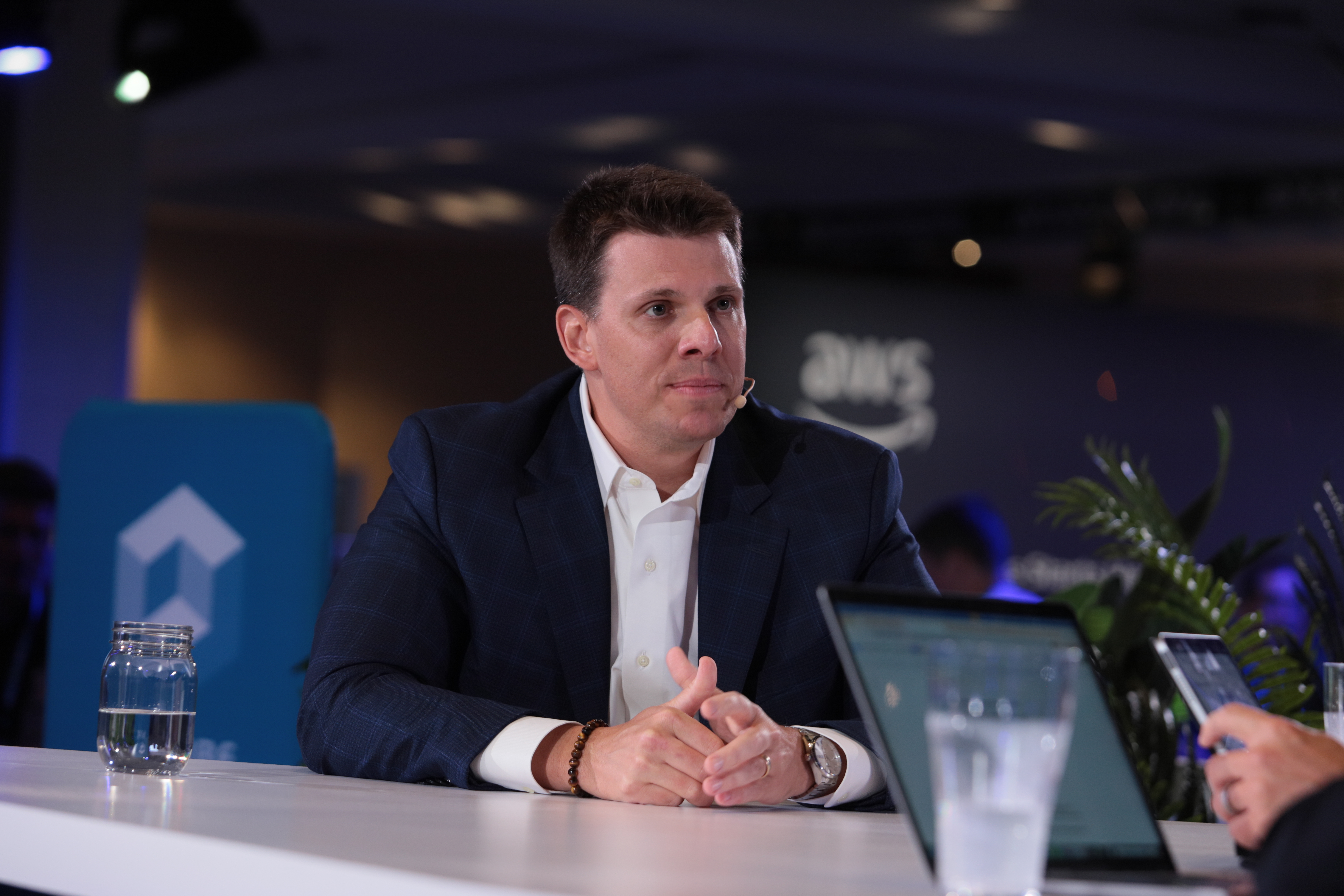
The shift goes deeper than simple cost optimization, according to Grant Byrum (pictured), North America FinOps lead at Accenture PLC. Where traditional cloud spending aligns with compute, storage and licenses, AI introduces a fundamentally different cost model, one where architectural decisions determine the bill. In short, the familiar levers of cloud FinOps are mostly ineffective when applied to AI workloads absent modification.
“In AI, costs are tied to how the work is being done and not physical resources,” Byrum said. “Small changes to prompt size or model selection can have big knock-on effects in terms of what that does to cost.”
Byrum spoke with theCUBE’s John Furrier and Paul Nashawaty, principal analyst at theCUBE Research, at FinOps X 2026 during an exclusive broadcast on theCUBE, SiliconANGLE Media’s livestreaming studio. They discussed how AI FinOps differs from traditional cloud financial management and what enterprises need to get right before scaling AI workloads. (* Disclosure below.)
Historical consumption data provides executives with little to work with when it comes to protecting AI spend. The answer lies in rebuilding forecast models around the activities that drive costs, replacing backward-looking baselines with forward-looking estimates tied to planned usage and deployment, according to Byrum.
“In AI, you’ve got to pivot to what I like to call ‘use case forecasting,'” he said. “You need to bake in number of users, number of prompts or interactions, maybe even number of releases that are planned.”
Governance is equally critical, and it’s one of the most underrated pillars of AI FinOps, according to Byrum. Unlike traditional cloud, where monthly reporting is often sufficient, AI costs can spike within days. Cost allocation must also be rebuilt around tokens processed and inference calls rather than physical resources. On the human side, there’s a clear line between what AI handles well and what practitioners must retain control over. High-volume pattern work belongs to the machine, but the decisions that connect cost data to business outcomes do not.
“There has to be a human leading the loop to balance business value and risk,” Byrum said. “You need humans to identify [return on investment] targets and, frankly, to drive adoption — I don’t see AI driving adoption better than humans can.”
Here’s the complete video interview, part of SiliconANGLE’s and theCUBE’s coverage of FinOps X 2026:
(* Disclosure: TheCUBE is a paid media partner for the FinOps X event. Neither the FinOps Foundation, the sponsor of theCUBE’s event coverage, nor other sponsors have editorial control over content on theCUBE or SiliconANGLE.)
Support our mission to keep content open and free by engaging with theCUBE community. Join theCUBE’s Alumni Trust Network, where technology leaders connect, share intelligence and create opportunities.
Founded by tech visionaries John Furrier and Dave Vellante, SiliconANGLE Media has built a dynamic ecosystem of industry-leading digital media brands that reach 15+ million elite tech professionals. Our new proprietary theCUBE AI Video Cloud is breaking ground in audience interaction, leveraging theCUBEai.com neural network to help technology companies make data-driven decisions and stay at the forefront of industry conversations.