 SECURITY
SECURITY
SECURITY






SECURITY

Post-quantum interoperability depends on more than whether individual algorithms work. As quantum readiness moves from planning to implementation, testing becomes the bridge between technical standards and deployable protections.
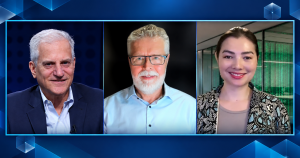
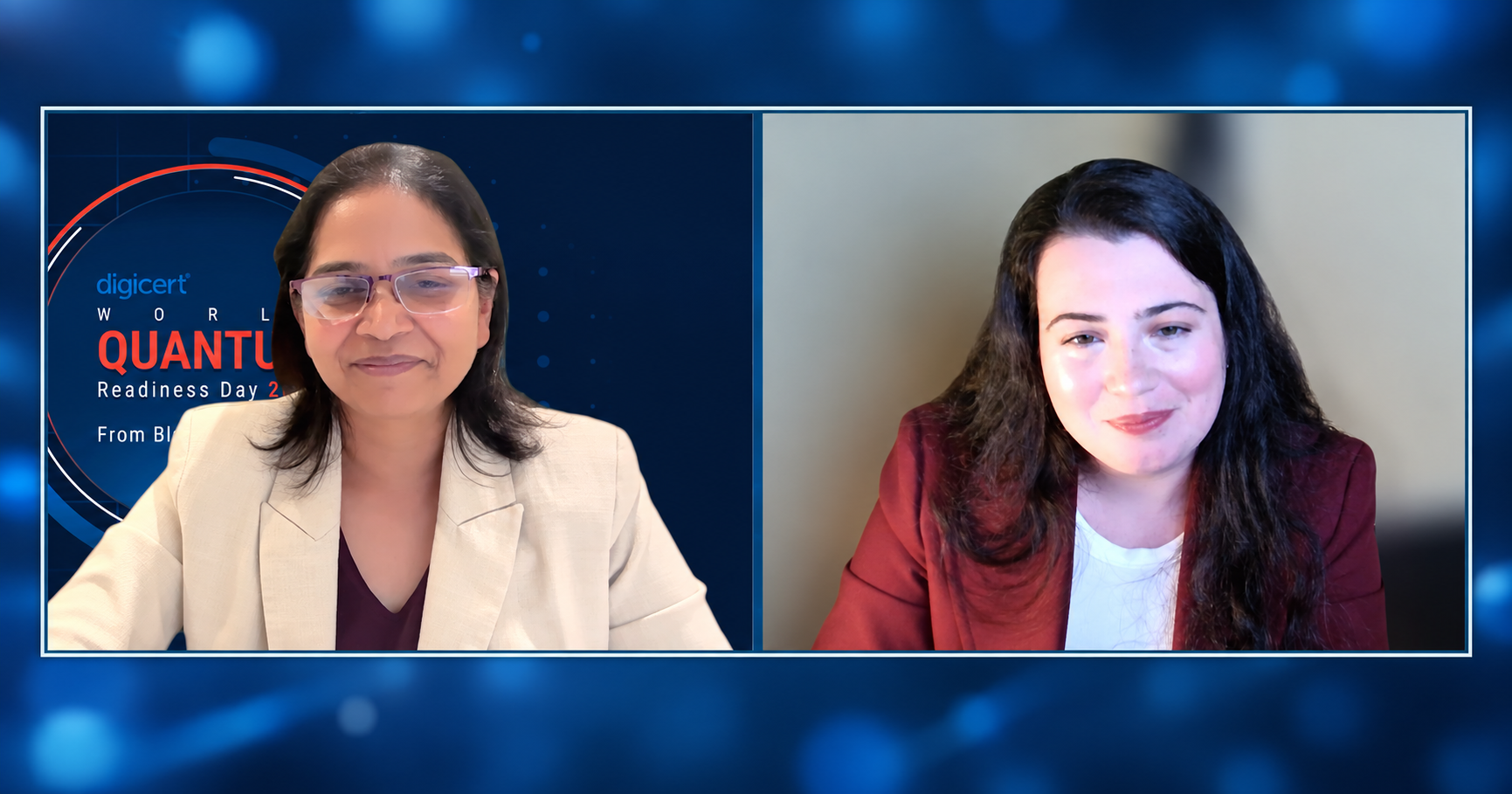
Microsoft Corp. is bringing certificate authorities into that process. Readiness must begin with operational needs, according to Karina Sirota Goodley (pictured, right), senior security product manager at Microsoft.
“At Microsoft, the goal isn’t to create a cryptographically interesting solution and then search for a use case,” she said. “It’s to start with a real customer or business problem, understand the operational constraints and build something that works across platforms, protocols, CAs, devices and existing infrastructure. In the post-quantum transition, practical interoperability and measurable risk reduction matter more than being crypto cool.”
Goodley spoke with DigiCert Inc.’s Lakshmi Hanspal (left), chief trust officer, at DigiCert’s World Quantum Readiness Day, during an exclusive broadcast on theCUBE, SiliconANGLE Media’s livestreaming studio. They discussed Microsoft’s testing with certificate authorities, including DigiCert, and the role of suppliers in making migration practical. (* Disclosure below.)
Microsoft’s Trusted Root Program is running a post-quantum cryptography pilot for Transport Layer Security outside production and public trust scenarios. DigiCert is among seven participating certificate authorities, Goodley noted.
“Certificate authorities can test issuance and compatibility with the Microsoft platform capabilities in a controlled environment,” she said. “That matters because no individual component can declare success. The whole chain has to work.”
Microsoft treats vendor dependencies as part of its readiness program, not an issue to solve later. Early coordination can expose compatibility and deployment constraints, according to Goodley.
“Make PQC migration your problem before it becomes your customer’s problem,” she said. “Deliver crypto agility, transparency and standards-based interoperability by default. Customers shouldn’t have to become cryptographers to prepare for the quantum era. If the industry removes complexity and aligns on interoperable implementations, we’ll accelerate quantum readiness far faster than any company can achieve on their own.”
Register for free to watch the complete video interview, part of SiliconANGLE’s and theCUBE Research’s coverage of DigiCert’s World Quantum Readiness Day.
(* Disclosure: TheCUBE is a paid media partner for DigiCert’s World Quantum Readiness Day. Neither DigiCert, the sponsor of theCUBE’s event coverage, nor other sponsors have editorial control over content on theCUBE or SiliconANGLE.)
Support our mission to keep content open and free by engaging with theCUBE community. Join theCUBE’s Alumni Trust Network, where technology leaders connect, share intelligence and create opportunities.
Founded by tech visionaries John Furrier and Dave Vellante, SiliconANGLE Media has built a dynamic ecosystem of industry-leading digital media brands that reach 15+ million elite tech professionals. Our new proprietary theCUBE AI Video Cloud is breaking ground in audience interaction, leveraging theCUBEai.com neural network to help technology companies make data-driven decisions and stay at the forefront of industry conversations.