






R. Danes
Latest from R. Danes
Will new GPUs steal your job, or make you better at it? | #BigDataNYC

Employees at modern-day enterprises likely perform a host of tasks in a day — some of such complexity they require considerable thought; others can be achieved on autopilot. But through history, one sees that automated, seemingly insignificant tasks were once unimaginable feats. They are possible now only through the work of many innovators and technologists of yesteryear. Some ...
Bringing IoT streams to ‘mere mortal’ fingertips with sensor cloud | #BigDataNYC
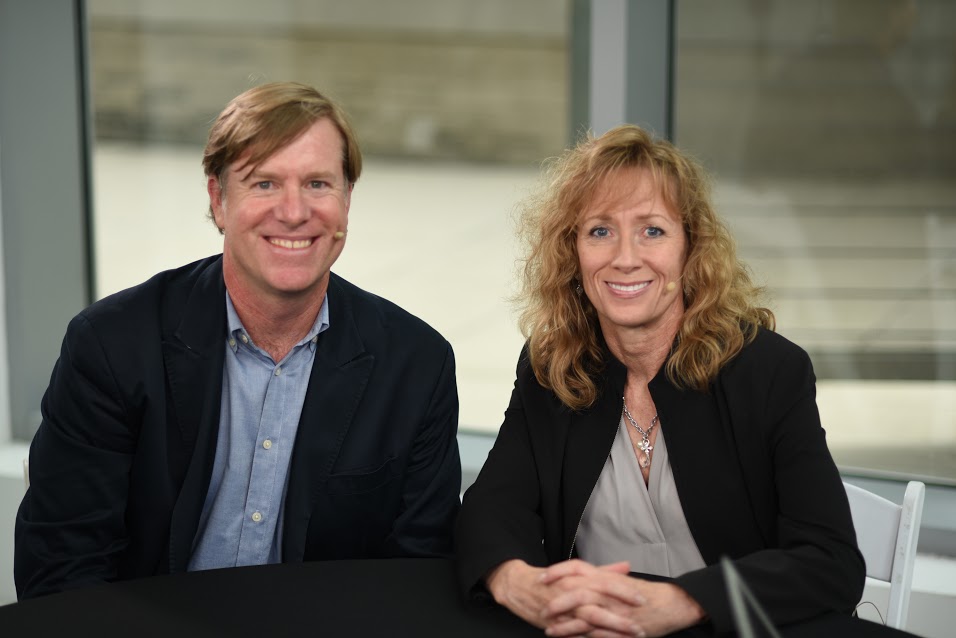
The benefit of sticking antennae in every corner of an operation is the diversity of data they cull for analytics. However, this brings a logistics problem alongside it; where do you store all of these feeds? Much of Internet of Things (IoT) data’s value comes from analyzing it in context with archival or other data. ...
Lost in translation: Hybrid cloud’s dirty little secret | #BigDataNYC

The hybrid cloud model continues to win over IT professionals and analysts in enterprise. Yes, the cloud is cheap and convenient, but there is something to be said for keeping some workloads on premise — data security is one benefit; regulatory compliance is another. So the hybrid model simply offers the best of both worlds, right? ...
Operating vroom: Cutting the time and talent needed to get from insight to app | #BigDataNYC
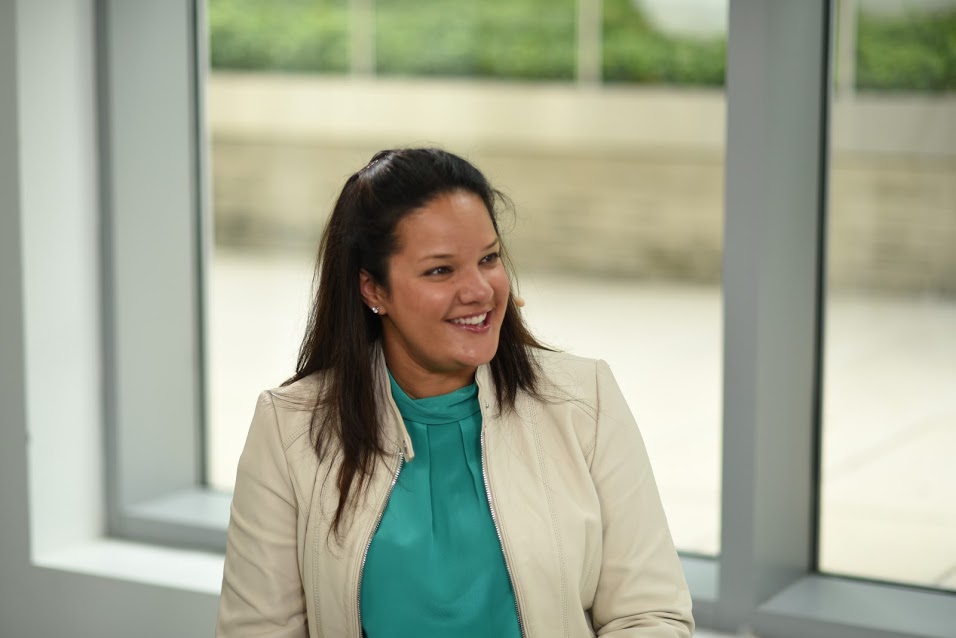
It’s slim pickings out there for those seeking highly skilled data talent. Even as universities introduce data science tracks and organizations spring up to enable networking, the average enterprise still struggles to juice the work of 10 data scientists out of the one or two they may have on deck. Until the output of the academies ...
Could the GPU be the sleeper hit of the new cognitive computing world? | #BigDataNYC
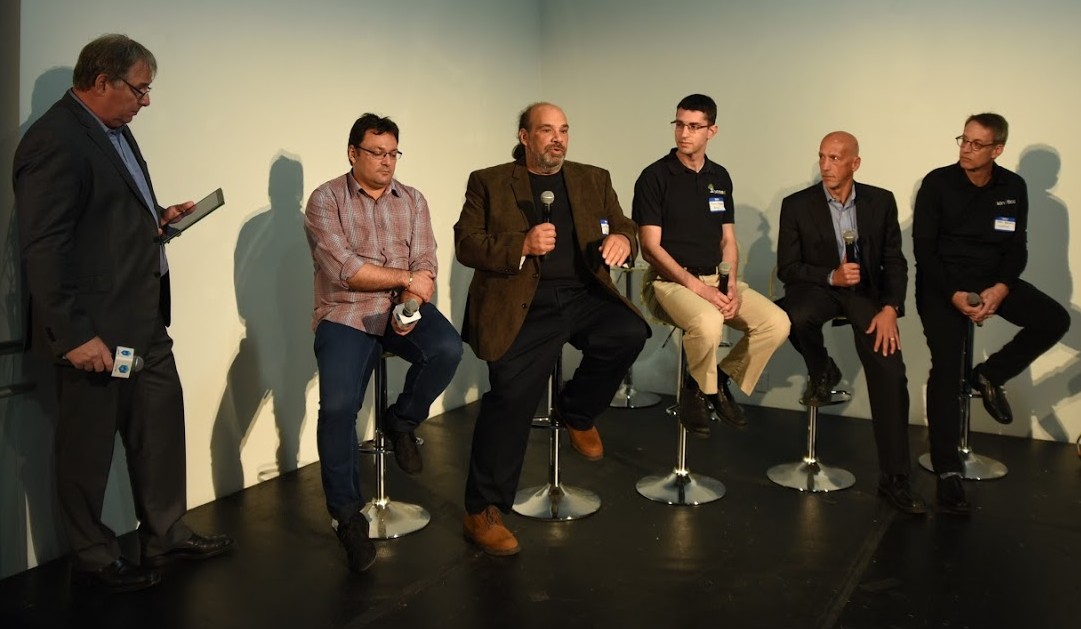
It’s no secret that Big Data is putting heavy strain on traditional infrastructure and processing systems. And symbiotic technologies, like cognitive computing, machine learning and artificial intelligence, that an SVP at IBM recently called “Big Data on steroids,” won’t be lightening the load. Some IT professionals say these technologies will require major infrastructural changes down to ...
Where does today’s business draw the line with DIY IT? | #BigData
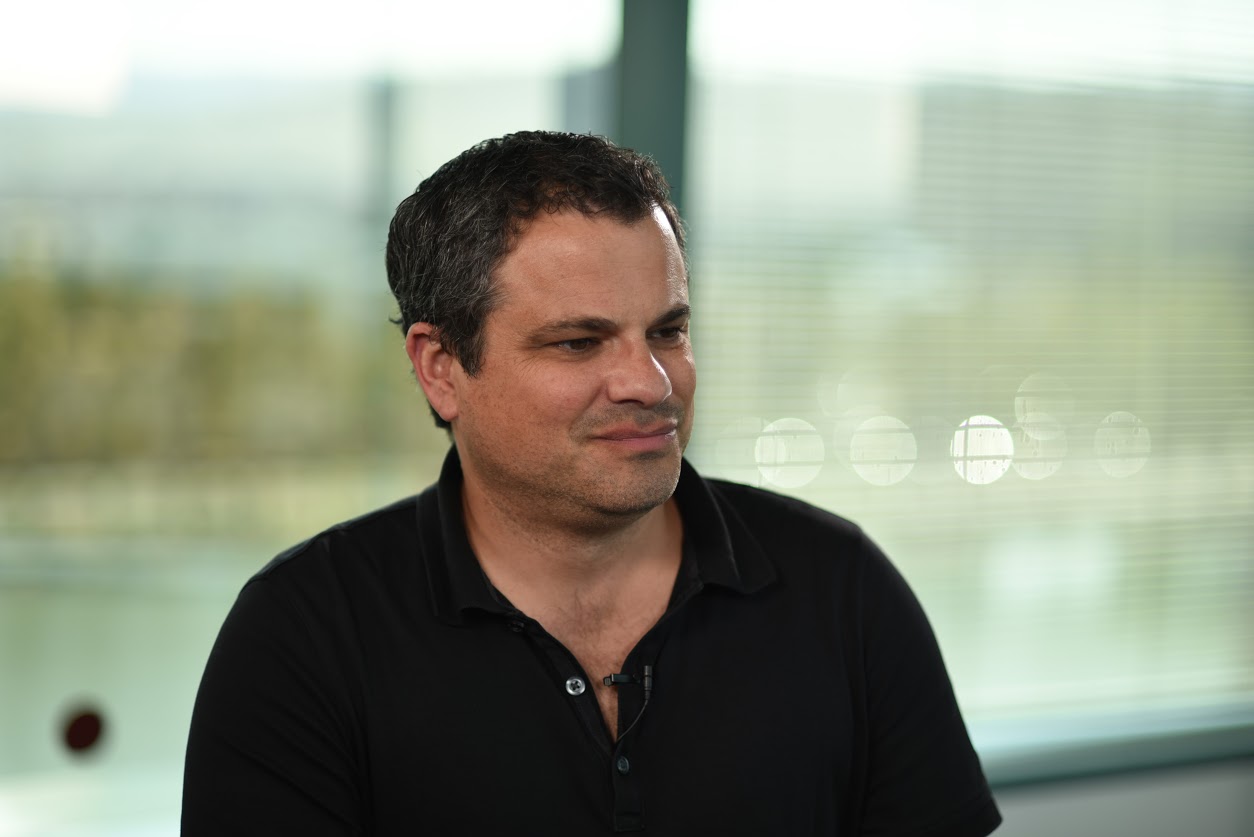
Open source software is free. So if companies can collect open-source software products, configure them, test them and learn to use them to run their businesses, what place do for-profit companies have in the equation? An important one, according to Claude Robinson III, senior director of product marketing, converged infrastructure at Oracle. “The old model of ...
Stacking the odds: Outsourcing lower-stack IT to focus on value-driving applications | #BigData
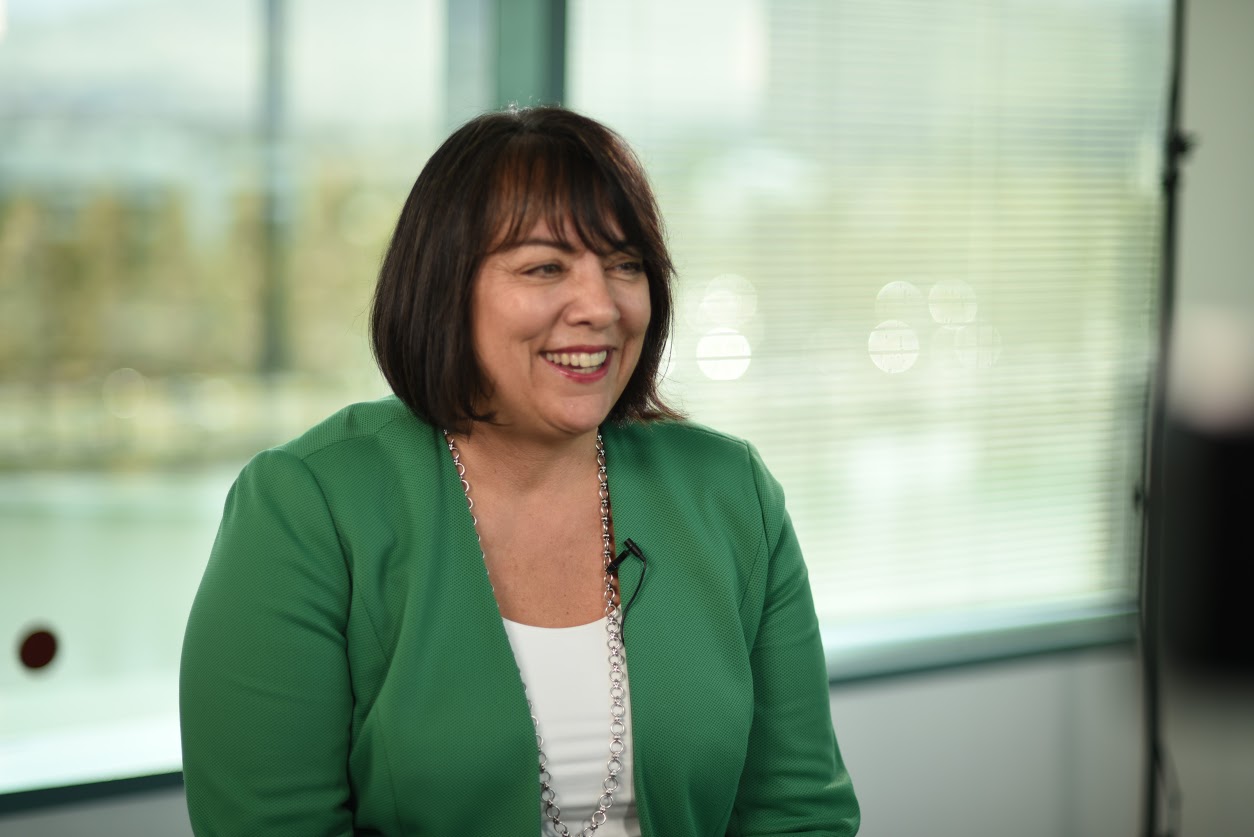
We frequently hear that companies want to focus their efforts up the stack, particularly on the customer-facing applications that differentiate them in the market. With all the innovation taking place in application development these days (containers, Big Data, SaaS, etc.) they are on a seemingly endless learning curve trying to stay up-to-date and competitive. Many ...
Legacy companies can’t wait to start monetizing data — so where’s the application? | #BigData
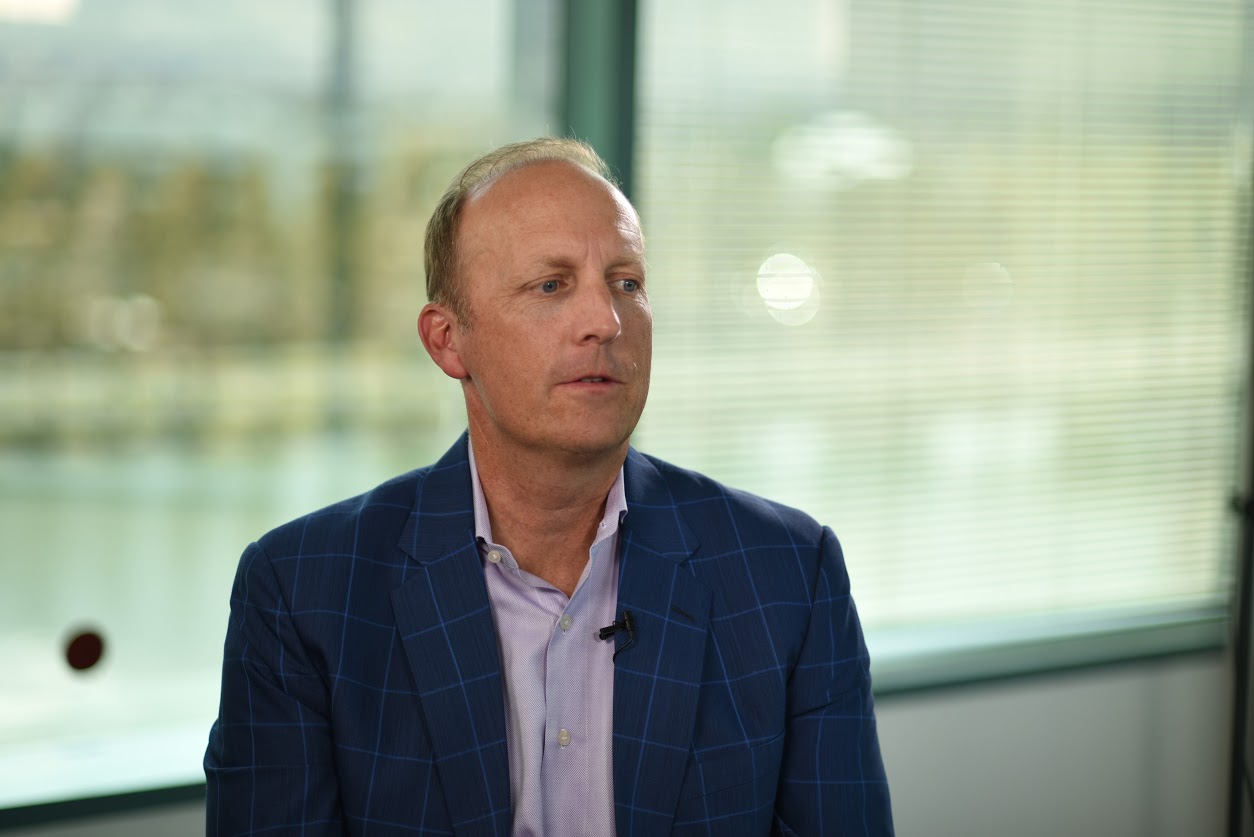
Is it a good time to be a digital-only company or what? Some recent studies from MIT show that some of these assetless companies derive up to 84 percent of their S&P value just from data, according to Brad Tewksbury, senior director of Global Business Development, Exadata and Big Data, at Oracle. It’s enough to ...
People puzzle: Combining social and CRM data to suss out customers | #BigData
Companies who use data to construct a picture of an individual customer have a daunting challenge in front of them. On the one hand, there is “hard” data on transactions, buying patterns and vital consumer stats. On the other hand, there is now a universe of social networking “soft” data that can provide extremely pertinent ...
Does the modern application need 24/7 data replication? | #BigData

Replication of data is necessary for speed, function and consistency of data applications across environments. But a key question is how often a company’s data is replicating? For instance, if a business has a four-day replication cycle, what becomes of the past three days of data in the event of a disaster at the start of ...