










Victoria Gayton
Latest from Victoria Gayton
Inside the contact center: Change management lessons from PwC
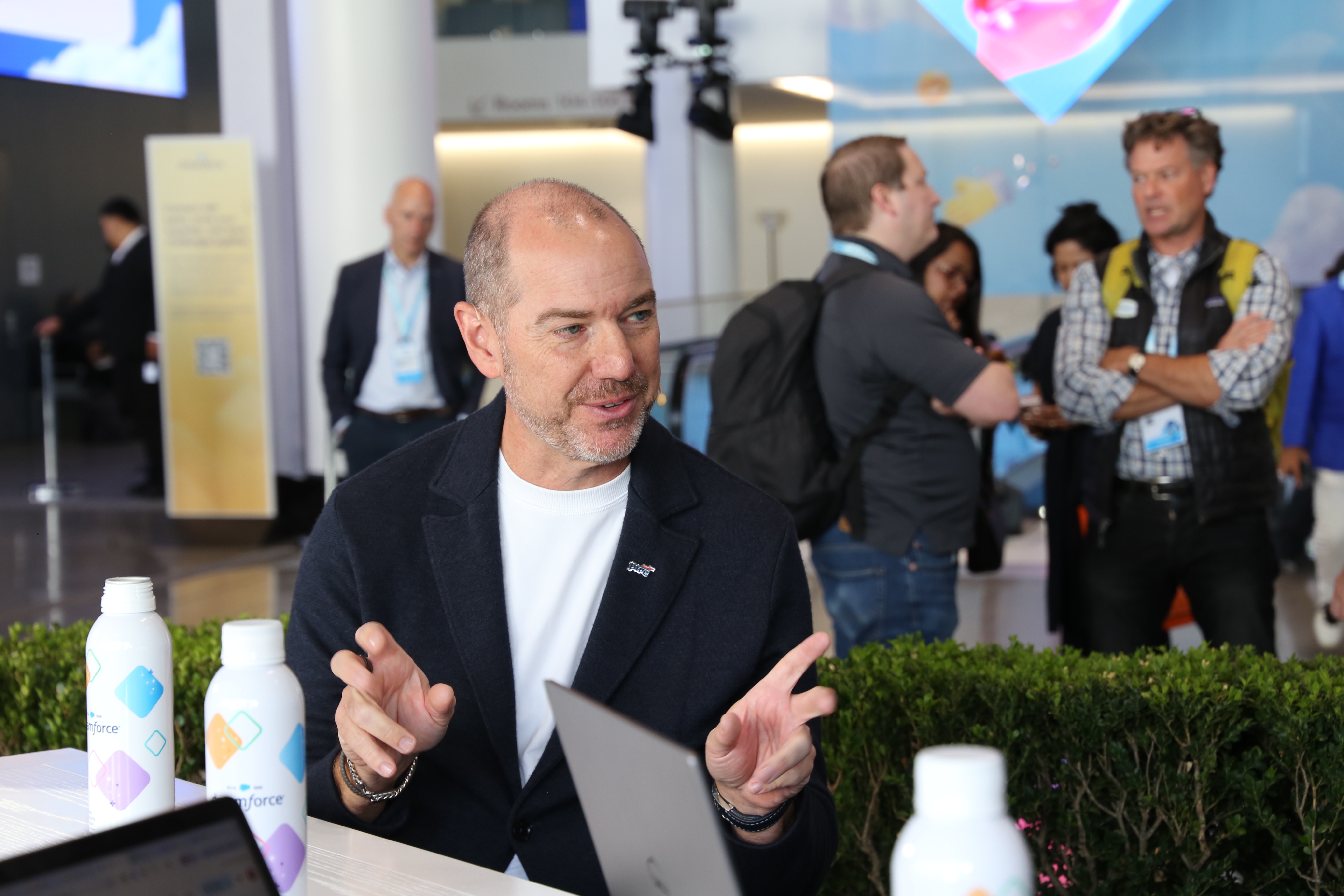
Call center burnout isn’t just a staffing issue. It’s a warning light that today’s change management tactics aren’t keeping up. Across industries, companies face mounting pressure to rewire how customer service actually works, even as costs and expectations keep climbing. PwC PricewaterhouseCoopers LLP is leaning into pragmatic change management to turn this dynamic from a ...
Disrupt or be disrupted: Accenture’s blueprint for business innovation
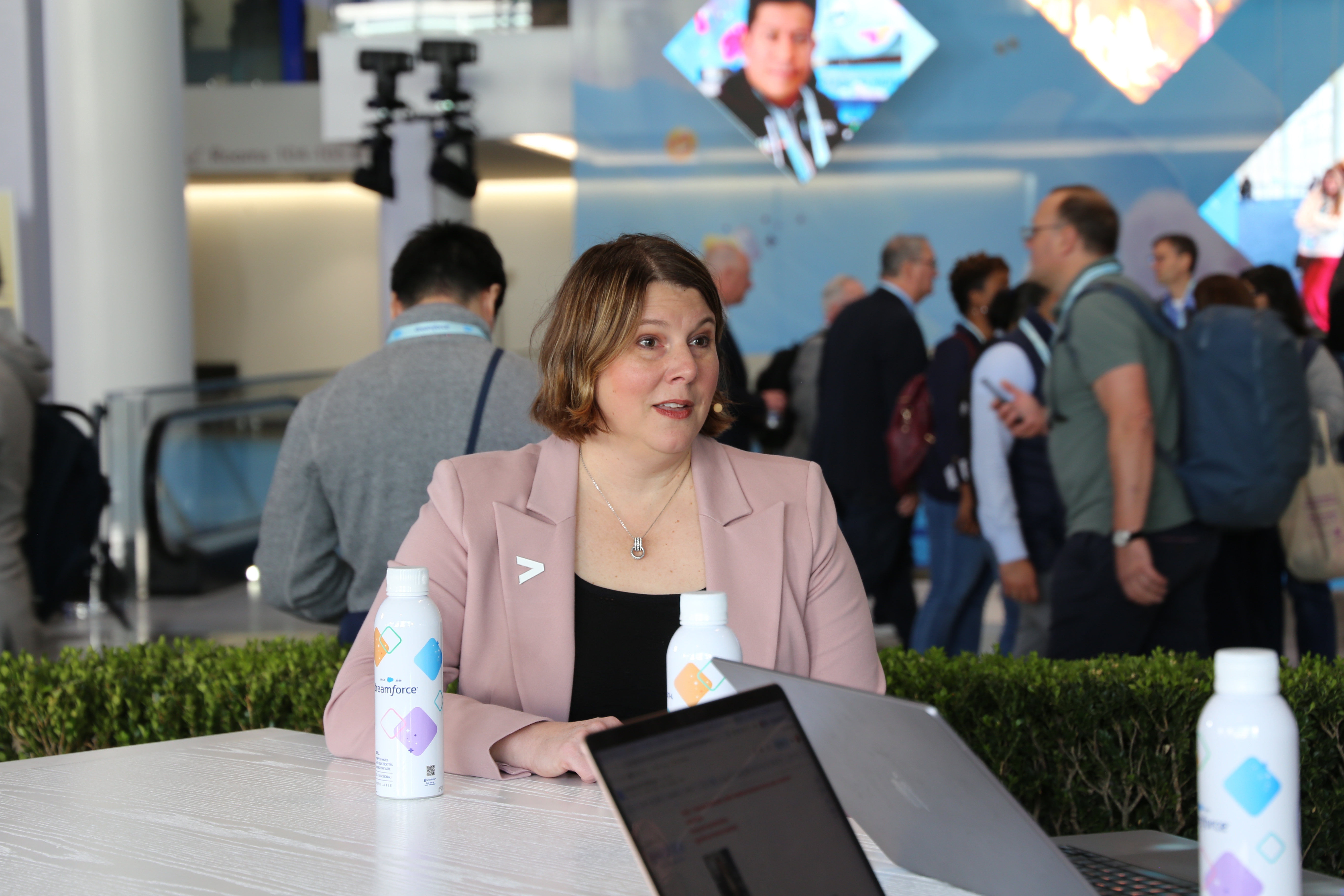
Standing still is the fastest way to get left behind. As technology and market expectations accelerate, companies face constant pressure to rethink how they operate or risk being outpaced. Business innovation is the heart of that reinvention, challenging leaders to unlock new value from data, talent and investment. Waiting for change isn’t an option, according to ...
From demos to dollars: Analysts on AI adoption and Salesforce’s strategy
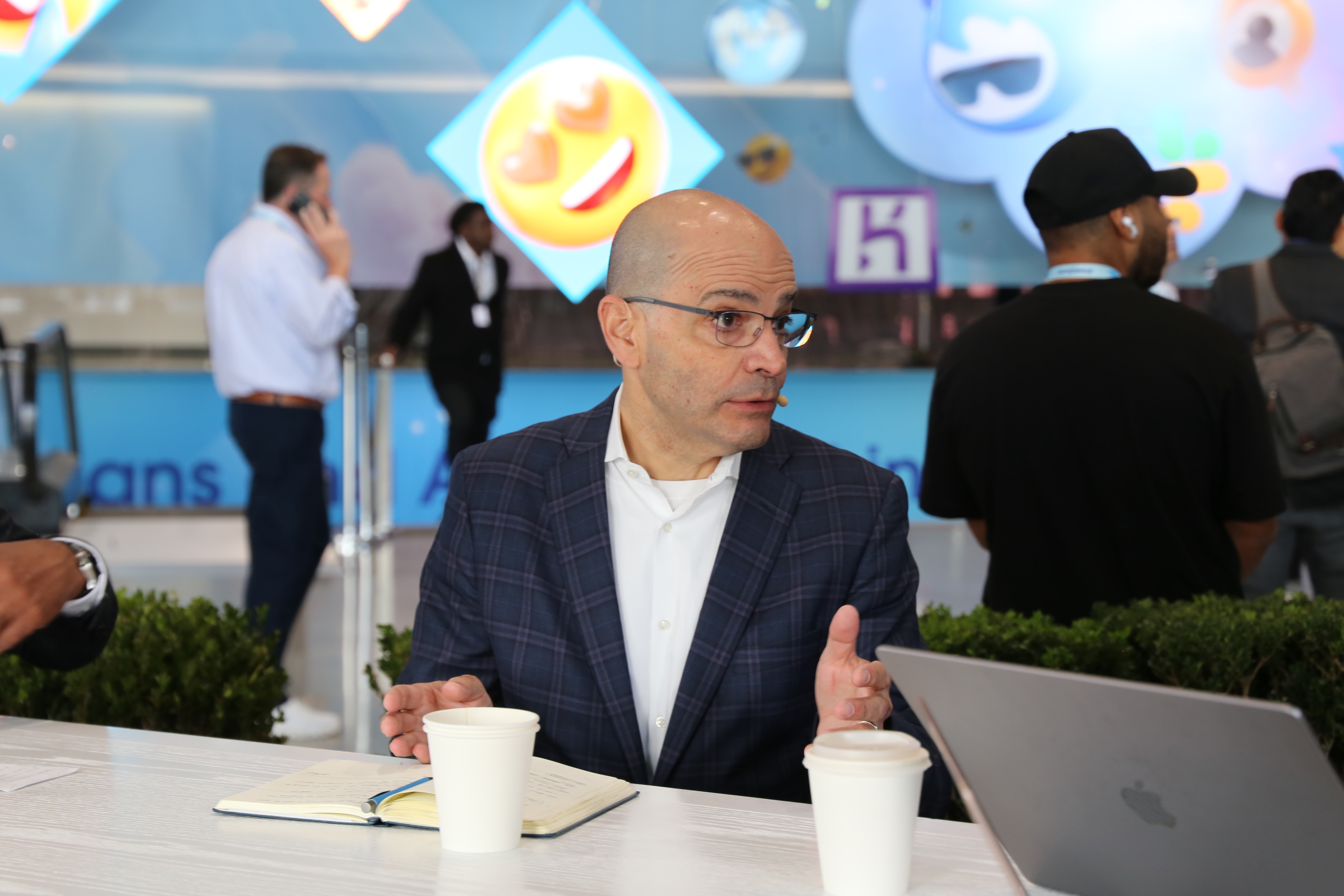
The enterprise conversation around AI adoption is shifting from flashy demos to deployment at scale. While agent-based applications and infrastructure still draw buzz, a deeper theme is emerging: The need for agent supervision, observability and orchestration. This year’s Dreamforce event captured that shift by showcasing how companies like Dell Technologies Inc., FedEx Corp. and PepsiCo ...
How Salesforce is reshaping ops with agent-driven tools

Business models don’t evolve by accident. At Salesforce Inc., operational discipline and strategic clarity are shaping a new chapter driven by automation and agent-based systems. Customer demand for intelligent automation is converging with Salesforce’s internal push to scale its operating model. That includes helping customers apply agent-based systems to tackle complex problems and unlock measurable ...
Three insights you might have missed from theCUBE + NYSE Wired: AI Factories – Data Centers of the Future event

The race to modernize enterprise infrastructure is reshaping what data centers are and what they’re becoming. No longer just facilities for compute, they’re evolving into intelligence engines where governance, performance and power converge to define the future of data centers and the enterprises they serve. That convergence is forcing leaders to rethink architecture itself. Every ...
Fearless innovation: The new edge of AI in consumer experience

Delivering a remarkable consumer experience takes more than speed; it takes edge. SharkNinja Operating LLC isn’t just adapting to the artificial intelligence era; it’s embracing it to build deeper, more intuitive connections with its customers. By leaning into intelligent agents and platform capabilities, the company aims to innovate how it serves — and grows alongside ...
Breaking the code barrier: Agentforce opens enterprise AI to business users

In every corner of the enterprise, leaders are grappling with how to put artificial intelligence to work without locking power behind lines of code. As companies chase efficiency and better customer experiences, the ability to build and trust AI agents has moved from a futuristic dream to a boardroom demand. For too long, building and ...
What to expect at the SHI Fall Summit: Join theCUBE Oct.16
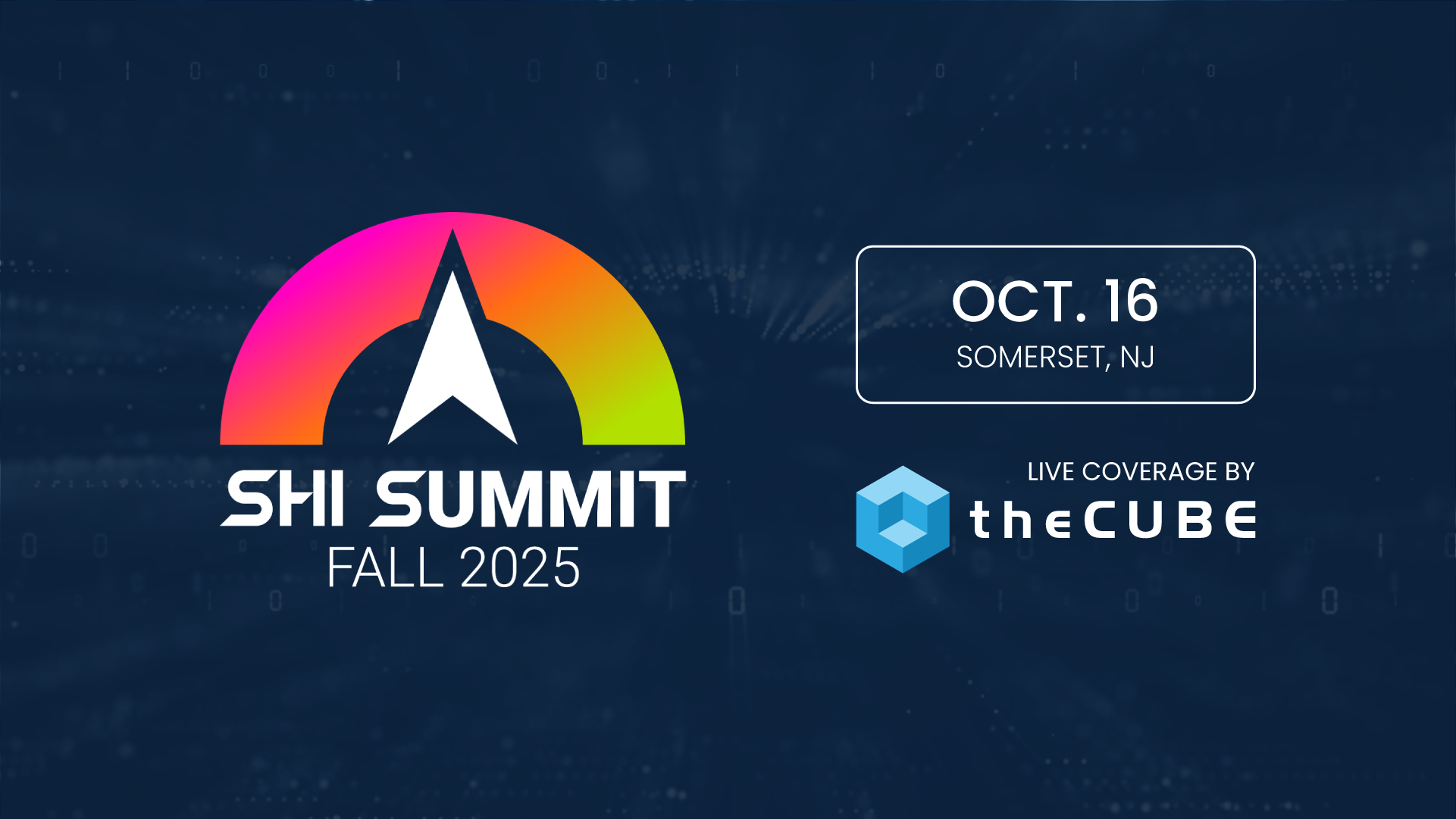
Artificial intelligence is reshaping the enterprise technology landscape, pushing innovation into every layer of infrastructure. Yet with opportunity comes complexity. As intelligent systems move from pilot to production, IT leaders face a growing challenge: Secure AI integration across hybrid environments without sacrificing trust, transparency or resilience. Hewlett Packard Enterprise Co. and SHI International Corp. are ...
Agent-driven software steps out of the lab and into production
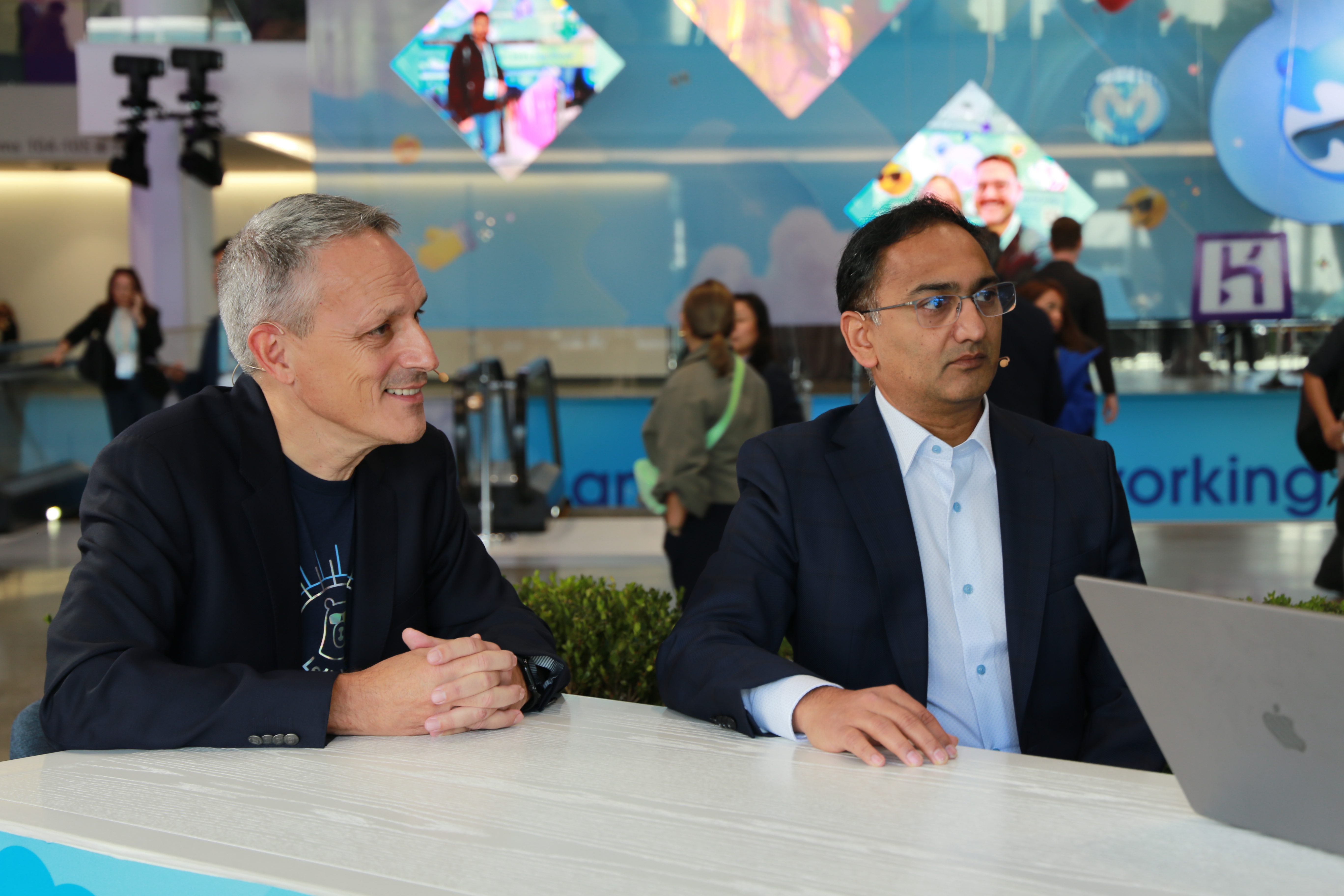
Code is entering a new creative era — one where the development lifecycle itself is becoming a living, adaptive system. Engineers are no longer just writing code; they’re orchestrating an evolving interplay between data, logic and automation that redefines how software grows and improves over time. As agentic systems mature from prototypes to production-ready tools, ...
How AI adoption is driving a new data era at Alteryx

Artificial intelligence’s impact on business is undeniable, but companies struggle to realize its promise. The challenge isn’t just keeping up with AI adoption; it’s ensuring that data-driven insights fuel meaningful decisions. For Alteryx Inc., an analytics automation platform company, this means redefining how organizations work with data. At the helm of this transformation is Andy ...