



 EMERGING TECH
EMERGING TECH
EMERGING TECH
EMERGING TECH

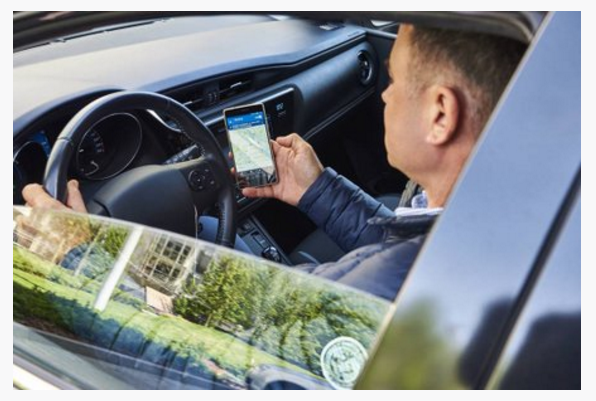
Uber Technologies Inc. has plenty of legal battles to go around, but this week one battle came to an end as Portland Commissioner Dan Saltzman determined that the ride-hailing company used its “Greyball” software to evade regulators, Reuters reported.
The New York Times revealed in March that Uber had developed Greyball to allow it to identify and block specific users from booking rides or even seeing if drivers were available nearby. According to the report, Uber allegedly used this software to block known transportation regulators from using its service in multiple cities, including Portland, Las Vegas, Boston, Paris and others.
Portland Mayor Ted Wheeler said at the time that he was “very concerned that Uber may have purposefully worked to thwart the City’s job to protect the public,” and he said that he was working with the city commissioner, city attorney and the Portland Bureau of Transportation to investigate the claims made by the New York Times.
In April, PBOT released a report that found that Uber had used Greyball to evade 16 regulators in the city of Portland in December 2014, which led the city to launch a probe into the company’s alleged practice.
“In using Greyball, Uber has sullied its own reputation and cast a cloud over the [Transportation Network Companies] industry generally,” PBOT said in its report. “The use of Greyball has only strengthened PBOT’s resolve to operate a robust and effective system of protections for Portland’s TNC customers.”
The investigation concluded that Uber did indeed use its software to evade transportation authorities before it had received legal permission to operate within Portland. Despite Commissioner Saltzman’s judgement, however, it does not appear that Uber will be subject to any fines or other legal penalties for its actions.
After the New York Times article, Uber admitted Greyball’s existence, but the company promised that it would no longer use the software to evade regulators, and the investigation found that Uber has honored its promise as of April 24, 2015, when the company was given permission to operate within the city.
“We are pleased the investigation is closed,” an Uber spokesperson said in a statement. “Commissioner Saltzman led a fair process that affirmed the earlier findings of PBOT’s audit. Uber will continue working in partnership with the City of Portland, TriMet and others to improve mobility for Portland riders and increase economic opportunity for area drivers.”
Support our mission to keep content open and free by engaging with theCUBE community. Join theCUBE’s Alumni Trust Network, where technology leaders connect, share intelligence and create opportunities.
Founded by tech visionaries John Furrier and Dave Vellante, SiliconANGLE Media has built a dynamic ecosystem of industry-leading digital media brands that reach 15+ million elite tech professionals. Our new proprietary theCUBE AI Video Cloud is breaking ground in audience interaction, leveraging theCUBEai.com neural network to help technology companies make data-driven decisions and stay at the forefront of industry conversations.