



 EMERGING TECH
EMERGING TECH
EMERGING TECH
EMERGING TECH

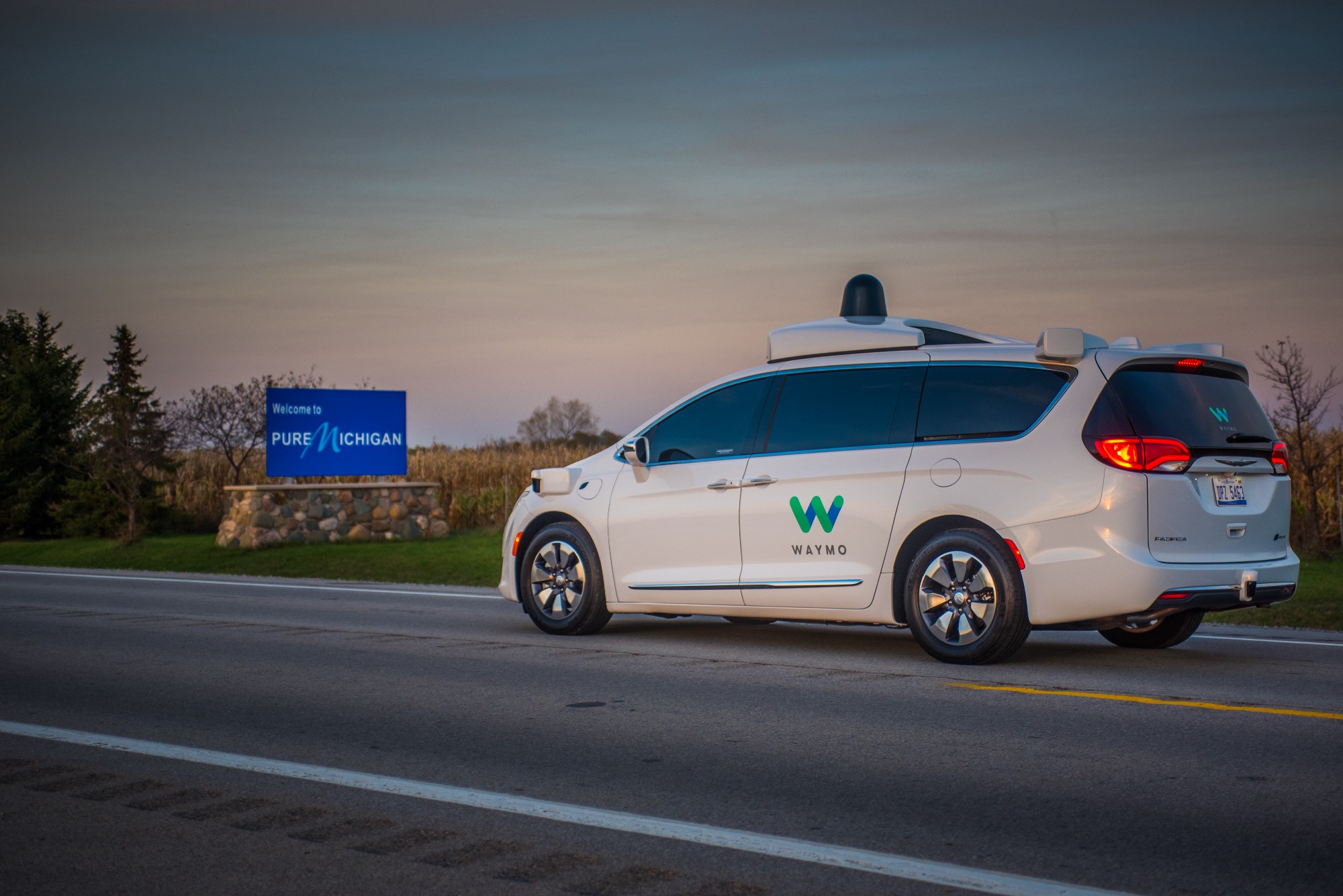
Self-driving cars have gotten pretty good at avoiding unexpected obstacles in the road, but how can they handle conditions that are harder to spot, such as ice and snow? That’s what Waymo LLC, Alphabet Inc.’s self-driving car division, wants to find out in a series of tests it is conducting on the roads of Michigan.
According to Waymo, the company has been doing cold weather testing since 2012, but this will be the first time it will be testing its technology in winter weather on the open road with other drivers.
“Building on the snowy work we’ve done to date, we’ll be giving our vehicles even more practice driving in snow, sleet and ice,” said Waymo Chief Executive John Krafcik. “This type of testing will give us the opportunity to assess the way our sensors perform in wet, cold conditions. And it will also build on the advanced driving skills we’ve developed over the last eight years by teaching our cars how to handle things like skidding on icy, unplowed roads.”
Waymo already has a presence in Michigan with the 53,000-square-foot development center it opened in May 2016 in Novi, where it has been integrating its self-driving technology with Chrysler Pacifica hybrid minivans. According to Krafcik, the state offers the perfect location to test and iterate on Waymo’s technology. “With a facility close by and roots planted in Michigan, we’ll be able to easily test our self-driving cars in the Greater Detroit area to further improve our technology,” he said.
Waymo said its vehicles have driven more than 3 billion miles collectively, which the company says is equivalent to more than 400 years of driving experience. Waymo says that it is continuing to expand its fleet, and the company has plans to produce 600 self-driving Chrysler Pacifica minivans this year alone.
Waymo’s presence in Michigan may be worrisome to some of the traditional auto companies located in the state, including Ford Motor Co. and General Motors Co., both of which have their own self-driving initiatives in the works. Ford announced in 2016 that it intends to produce commercially available, fully autonomous vehicles without steering wheels or pedals by 2021. Since then, Ford has made several sizable investments to push its self-driving tech forward, and in September, it announced it has formed a major partnership with ride-hailing company Lyft Inc.
Support our mission to keep content open and free by engaging with theCUBE community. Join theCUBE’s Alumni Trust Network, where technology leaders connect, share intelligence and create opportunities.
Founded by tech visionaries John Furrier and Dave Vellante, SiliconANGLE Media has built a dynamic ecosystem of industry-leading digital media brands that reach 15+ million elite tech professionals. Our new proprietary theCUBE AI Video Cloud is breaking ground in audience interaction, leveraging theCUBEai.com neural network to help technology companies make data-driven decisions and stay at the forefront of industry conversations.