 APPS
APPS
APPS
APPS
APPS

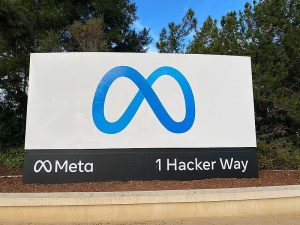
Facebook Inc. Chief Executive Mark Zuckerberg said in a lengthy blog post today that he thinks he knows what people want, and that’s more private connections.
Since its inception, Facebook has concentrated in getting as many users as possible to share as much as they can on the platform, but Zuckerberg now says he wants to change what he called “the digital equivalent of a town square” to the “the digital equivalent of the living room.”
“As I think about the future of the internet, I believe a privacy-focused communications platform will become even more important than today’s open platforms,” Zuckerberg said in his opening paragraph. “Privacy gives people the freedom to be themselves and connect more naturally, which is why we build social networks.”
He went on to say that though Facebook hasn’t exactly been renowned for building privacy-protective services, he believes it’s time to start creating a service aimed at keeping messaging and stories a private matter. At the same time, messages will be encrypted and in his own words they “won’t stick around forever.” What he means is messaging content will automatically be deleted after a time period, a la Snapchat.
But none of this will change Facebook’s core service, the news feed. It will only affect messaging services in WhatsApp, Instagram and Messenger and bring them all together. He said the plan is to make this new platform “as secure as possible, and then build more ways for people to interact on top of that, including calls, video chats, groups, stories, businesses, payments, commerce, and ultimately a platform for many other kinds of private services.”
This might be a savvy business venture as well as a move to placate the public’s fears over lack of privacy. Zuckerberg believes such a private encrypted platform will make it possible for more services centered around payments and commerce and what he just called other kinds of services.
But in terms of ephemerality, with encrypted content on top of that, it will be almost impossible for governments with poor human rights records to demand data from this platform. That could help activists in countries such as Thailand and Vietnam, where a critic can be jailed for small transgressions relating to denouncing certain institutions. As has been pointed out, this also won’t score points for Facebook with the Chinese government.
These changes won’t change anything about how Facebook collects data on its users on other fronts besides messaging, with some critics saying Facebook still needs to give more control to users relating to how their data is shared. Others have pointed out that while messages might be encrypted, it won’t stop Facebook from scanning data to be offered to advertisers.
“Facebook is making a brave noise about improving user privacy, but the proof of the pudding is in the eating,” James Slaby, director of cyber protection at backup and disaster recovery software firm Acronis, told SiliconANGLE. “It still has a long way to go to undo the level of user and regulatory mistrust it has built up with its sins against privacy in the past year, and worse, the attempts of its leadership, from Zuckerberg on down, to cover them up.”
The tone of some critics is that Facebook users for the most part stay on the platform in spite of knowing how their privacy has been abused, and the move towards privacy is nothing but lip service. But other observers sound more hopeful.
“We applaud Facebook for beginning to focus on the value of providing true consumer privacy and look forward to their extending this new privacy promise to include the marketing of customer data,” Unisys Chief Trust Officer Tom Patterson said in an email to SiliconANGLE. “A holistic privacy solution throughout the social media construct that both recognizes the advertising revenue-based models, and equally holds consumers’ right to privacy paramount, will be of benefit to all. The question of who owns consumer data is large, global and critical, and will become even more so in the coming years as all aspects of our lives become hyperconnected.”
Support our mission to keep content open and free by engaging with theCUBE community. Join theCUBE’s Alumni Trust Network, where technology leaders connect, share intelligence and create opportunities.
Founded by tech visionaries John Furrier and Dave Vellante, SiliconANGLE Media has built a dynamic ecosystem of industry-leading digital media brands that reach 15+ million elite tech professionals. Our new proprietary theCUBE AI Video Cloud is breaking ground in audience interaction, leveraging theCUBEai.com neural network to help technology companies make data-driven decisions and stay at the forefront of industry conversations.