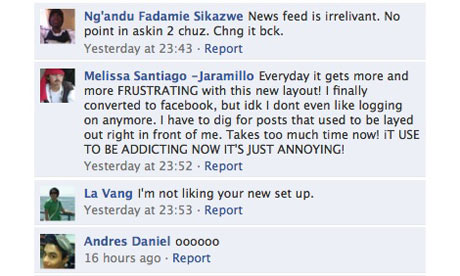
Athima Chansanchai has an expanded report on CNET’s Caroline McCarthy’s story on Facebooks move to take over the Internets commenting systems. The new product will be a heavy weight competitor to Disqus, Echo, and Intense Debate commenting systems that are used by many major news sites and blogs. Chansanchai points to a TechCruch article that explains how these companies are responding to the news.
There are three main points of interest with the new commenting system:
- It is a “Troll Killer” – “Troll” is Internet slang for individuals that hide behind the cover of anonymity with an online “handle” or “screen name” which differs from their true identity. This online mask allows the commenter to stir up trouble, use hateful language, or spam the website. Currently most trolls are an annoyance, but in the grand scheme it could be argued that some (not all) do add to the debate, even if it is often gasoline.
- It is a Privacy Killer – On the opposite side of the favorable reasons for why it would be good to get rid of trolls in comment threads, there is also a privacy concern. The Facebook commenting system will use real names. And while the benefit is having a singular log in for commenting across websites, many users who do have good things to contribute to conversations often desire to remain anonymous as well. This system will kill that current option for privacy. “Option” is the key word, because individuals in current commenting systems have the freedom to use their real identity or not.
- It is a Freedom of Speech Killer – Facebook has commented that the reason their new system works as a deterrent is that those who act in “abusive behavior,” “spammers, trolls, and those looking to dispense hate” can have their account terminated by Facebook and all their connections with friends will be severed. The threat of being thrown out of Facebook will be used as a deterrent to certain types of speech. In general language, it is a social norm that hateful speech is not welcomed in the public square. However, that does not mean that an individual does not have the right to say what he wants to say, whether it is welcome or unwelcome. Therefore the concern here is that the question must be asked, “Is all speech free speech?” If the answer is yes, then Facebook may have some problems on their hands in the future. Furthermore, who decides what is “abusive behavior” or hateful speech? A sole individual? A panel? Could those people be biased and censor certain types of religions or political speech, etc?
Some of these issues can be beaten to death and the answers will not be revealed until the commenting system is released or until we see it in action for a period of time. However, feel free to discuss the issue in our total anonymity approved comments section!
[Cross-posted at Digital Society]
A message from John Furrier, co-founder of SiliconANGLE:
Support our mission to keep content open and free by engaging with theCUBE community. Join theCUBE’s Alumni Trust Network, where technology leaders connect, share intelligence and create opportunities.
- 15M+ viewers of theCUBE videos, powering conversations across AI, cloud, cybersecurity and more
- 11.4k+ theCUBE alumni — Connect with more than 11,400 tech and business leaders shaping the future through a unique trusted-based network
SiliconANGLE Media is a recognized leader in digital media innovation, uniting breakthrough technology, strategic insights and real-time audience engagement. As the parent company of
SiliconANGLE,
theCUBE Network,
theCUBE Research,
CUBE365,
theCUBE AI and theCUBE SuperStudios — with flagship locations in Silicon Valley and the New York Stock Exchange — SiliconANGLE Media operates at the intersection of media, technology and AI.
Founded by tech visionaries John Furrier and Dave Vellante, SiliconANGLE Media has built a dynamic ecosystem of industry-leading digital media brands that reach 15+ million elite tech professionals. Our new proprietary theCUBE AI Video Cloud is breaking ground in audience interaction, leveraging theCUBEai.com neural network to help technology companies make data-driven decisions and stay at the forefront of industry conversations.