

 NEWS
NEWS
NEWS
NEWS
NEWS

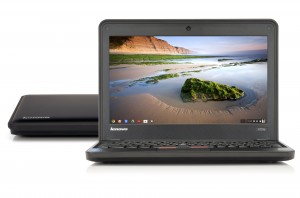 If there’s one thing that Google’s luxury Chromebook Pixel and the rest of the low-priced Chromebooks have in common – besides the fact that they share the same operating system – it’s got to be the oh-so disappointing battery life. The Pixel, which sells for a somewhat inflated $1,200 a shot, generally ekes out around five hours of play time from its battery – a good two hours less than Apple’s MacBook Air, which sells for more or less the same price.
Limited battery life is just one of the reasons that Chromebooks haven’t really caught on (there are many others), but rumor has it that this problem at least, is about to be rectified. According to ChromeStory’s Dinsan Francis, Chromebooks could be about to get a very tasty-looking upgrade, in the form of Intel’s new Haswell chip.
I’ve discussed Haswell before, and by all accounts it’s going to be a beast of a processor, delivering super-charged performance and a battery life that stretches to a whopping 10 hours on most machines, a huge increase on Intel’s current-generation Ivy Bridge chips. Providing these estimates are correct, a Haswell-powered Chromebook could well become a very attractive proposition for some, especially those who’re looking for something more affordable than the average Windows-based machine.
In his blog post, Dinsan pulls out a number of references to Haswell in the latest version of the Chrome OS’s source code, not to mention references to Lynx Point, the controller that’s expected to be paired with Intel’s new chips. This isn’t the first time we’ve heard rumors of a Haswell-based Chromebook either. Back in March, ZDNet revealed that Google developer Stefan Reinauer had introduced Haswell-related changes to Chrome OS’s Coreboot, a replacement for BIOS that’s used on most Linux-based systems.
We’ll have to wait and see what Google’s intentions for the Chromebook really are, but in any case we probably won’t be kept in the dark for too long. As Dinsan points out, Haswell is scheduled to be released on June 4, 2013, which is only a few weeks after the Google I/O developer conference takes place, so we could very well have some news before then.
A new processor would also fit with news being reported today that a number of PC makers are about to release new Chromebook models for later this year. The NewsFactor Business Report claims that Acer is readying a new Chromebook slated for a July release, while Asus is set to follow up with a model in the “third or fourth quarter”. Meanwhile, there are rumors that Lenovo, Samsung and HP are all planning their own new Chromebooks.
Clearly, Google is determined to press ahead with the idea that Chromebooks can serve as a genuine alternative to Windows and Linux-based machines. They do have some advantages too – being entirely cloud-based machines, it could be argued that they’re more secure than traditional hardware. In addition, Chromebooks are far easier to set up, maintain and backup, and the learning curve is significantly less than with other operating systems (one of the biggest criticisms of Windows 8, by the way).
On the other hand, there are plenty of challenges with Google’s PC hardware – the lack of software and built-in storage, and the fact that they need an internet connection or they just don’t work being the biggest.
But at least, for those who are happy to work with Google Chrome’s apps and don’t mind having the world’s biggest advertising company ‘looking after’ their data, a new breed of high performance, longer-life Chromebooks might just hold some appeal.
Support our mission to keep content open and free by engaging with theCUBE community. Join theCUBE’s Alumni Trust Network, where technology leaders connect, share intelligence and create opportunities.
Founded by tech visionaries John Furrier and Dave Vellante, SiliconANGLE Media has built a dynamic ecosystem of industry-leading digital media brands that reach 15+ million elite tech professionals. Our new proprietary theCUBE AI Video Cloud is breaking ground in audience interaction, leveraging theCUBEai.com neural network to help technology companies make data-driven decisions and stay at the forefront of industry conversations.