
 NEWS
NEWS
NEWS
NEWS
NEWS

 Few trends are hotter than wearable technology at the moment, which takes the form of all manner of weird and wonderful gizmos, the most common being sleek-looking smart watches and groovy-but-geeky Google Glass.
With wearable tech seemingly on every blogger’s lips these days, you’d be mistaken for thinking that 2014 is the year it all goes mainstream – the year when people whisper in hushed tones to their wristwatches whilst making unusual hand gestures in front of faces becomes commonplace.
But while that might seem like the case, it’s almost certainly not going to happen in the next 12 months. For sure, wearable tech is on the up and up, and lots of us are going to start experimenting with the latest new wearable gadgets. But don’t think that wearables are anywhere close to hitting the mainstream just yet – after all, it took several years even for smartphones to catch on with the masses.
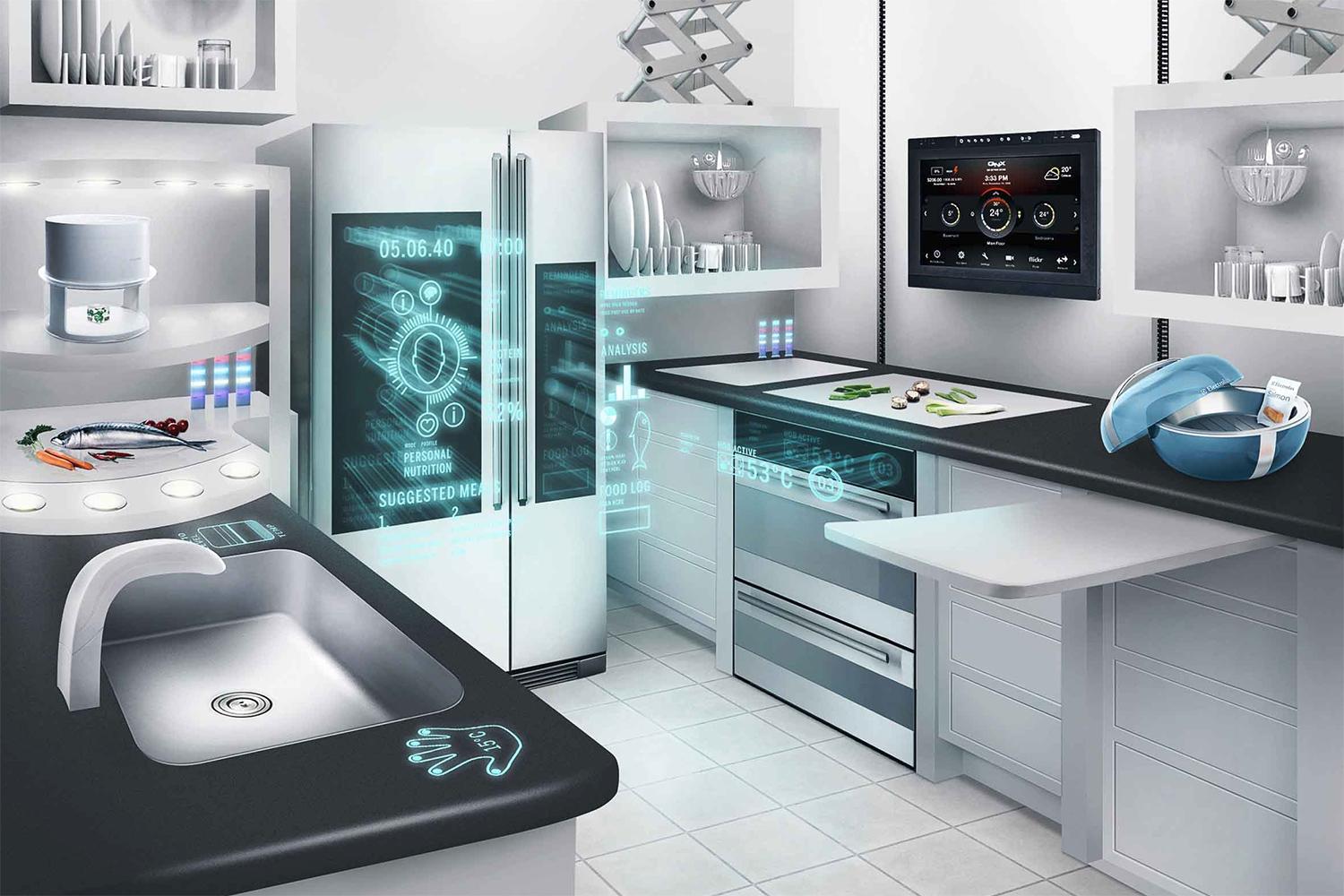
In all fairness, it usually takes around two to three years for any kind of technology trend to really catch on – far slower than the mass media says it will. Which is why the smart money is on the connected home finally reaching the tipping point, becoming a real consumer trend way faster than anything we can slap on our wrists or our heads.
All the evidence suggests that it already is. Just last week, Google splashed out a not-insignificant $3.2 billion Nest, maker of the smart thermostat and smoke detector, while British Gas is going all-out in my native UK with its Hive ‘active heating’ advertisements splashed all over the TV. We’re also seeing a rise in security breaches too – a tell-tale sign that a technology is catching on if ever there was one – with reports of smart fridges and other home appliances being targeted by hackers and used to send email spam.
What this all means is that the connected home is set to become one of the most important sources of Big Data, even more so that Google has its fingers in the pie. While consumers will benefit from being able to automate their home environment, and perhaps even save some money too, the end game for companies like Google has nothing to do with making our lives more convenient. More important to Google is the data that Nest’s and other devices will generate. Okay, so Nest data is only used to “improve its products” at this moment in time, but you can bet your connected house that things won’t stay that way.
Any time now we can expect to see changes in Nest’s privacy policy regarding what it does with the data it collects from your home, the net result being that Google and others will be able to use that information to deliver highly targeted advertising. Expect to see such things as different tariffs being offered to suit your energy usage, among other things. Likely, utility companies and advertises will also want a piece of your data, so they can better predict energy demand and focus their geographic and demographic targeting.
In the wake of Google’s Nest acquisition last week, I pointed out that it’ll help to speed up the so-called “smart grid”, but it’ll only happen at the cost of your privacy, and that’s going to worry a lot of people. Right now there are several signs that the connected home is all set to become mainstream, and with privacy concerns already high on our agenda in the wake of the NSA’s spying revelations, 2014 could be the year that things come to a head.
Support our mission to keep content open and free by engaging with theCUBE community. Join theCUBE’s Alumni Trust Network, where technology leaders connect, share intelligence and create opportunities.
Founded by tech visionaries John Furrier and Dave Vellante, SiliconANGLE Media has built a dynamic ecosystem of industry-leading digital media brands that reach 15+ million elite tech professionals. Our new proprietary theCUBE AI Video Cloud is breaking ground in audience interaction, leveraging theCUBEai.com neural network to help technology companies make data-driven decisions and stay at the forefront of industry conversations.