




 NEWS
NEWS
NEWS
NEWS
NEWS

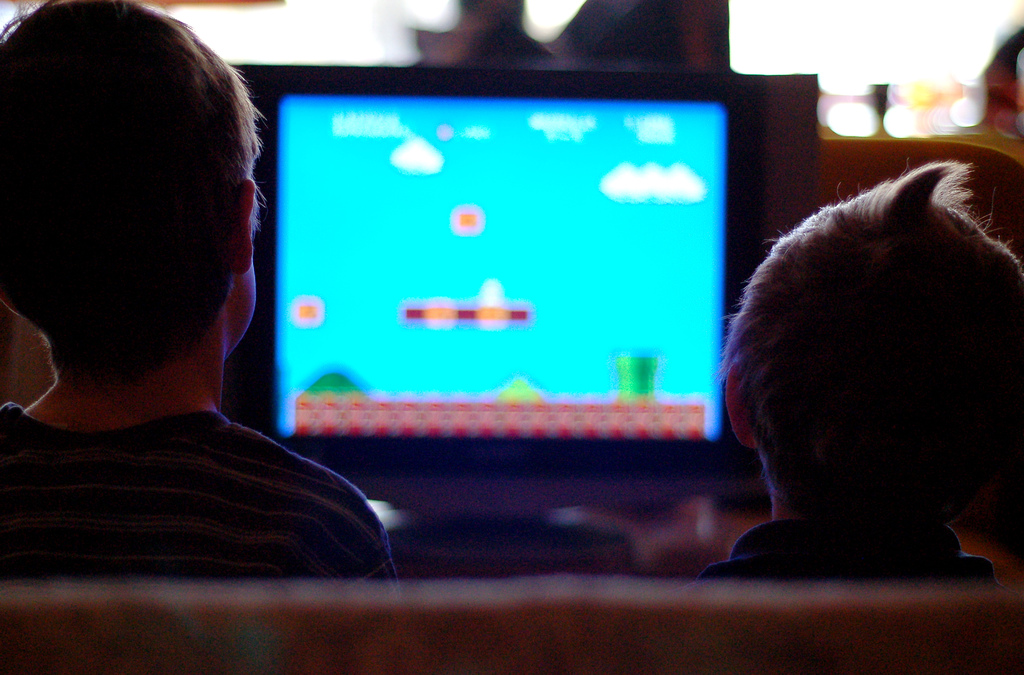
A new study from a researcher at Texas Tech University suggests that playing cooperative games can actually make you friendlier and less aggressive—as long as your partner isn’t an idiot.
John Velez is an assistant professor of journalism and electronic media, and he set out to study the psychological effects that cooperative video games can have on players. Velez observed participants who played through violent games like Halo: Reach and Time Splitters, as well as non-violent games like NBA Street Homecourt, and he found that those who had a helpful partner tended to be more pro-social both during the game and afterward.
“What we found was cooperative play seems to have the biggest effect in terms of decreasing aggression toward other people,” Velez said. “We found that playing with a helpful partner increases the expectation of others to reciprocate that pro-social behavior and generally be helpful. That applies to not only the teammate, but to others as well.”
Velez noted that people who played cooperatively with a helpful teammate not only acted differently, they also played the game differently.
“Generally, people playing cooperatively seemed to really focus on and value those relationships that are going on when they are playing,” Velez said. “They focus more on the social aspects and focus less on the violence and aggression. It’s more important to them to think about how they’re interacting with other people. Since most video games are played this way nowadays, it’s an important factor to think about when talking about violent video games and their negative effects.”
While Velez’s research focused on the positive aspects of cooperative gaming, his results showed that the pro-social behavior was primarily affected by how helpful players’ partners were, suggesting that unhelpful players might not provide the same benefits.
Anyone who has ever yelled at a friend for getting them killed knows that the cooperative sword cuts both ways, and this is especially obvious on team-based multiplayer games.
Valez has not studied the effects of competitive games, but he says that is the next area he wants to research.
“Competitive play is more ambiguous,” Valez said. “It’s not a strong effect because sometimes it shows up and sometimes it doesn’t. In general, sports are competitive and playing gets you riled up and aggressive. But when it happens, what are the lasting effects, and then contrast that to the cooperative effects.”
Support our mission to keep content open and free by engaging with theCUBE community. Join theCUBE’s Alumni Trust Network, where technology leaders connect, share intelligence and create opportunities.
Founded by tech visionaries John Furrier and Dave Vellante, SiliconANGLE Media has built a dynamic ecosystem of industry-leading digital media brands that reach 15+ million elite tech professionals. Our new proprietary theCUBE AI Video Cloud is breaking ground in audience interaction, leveraging theCUBEai.com neural network to help technology companies make data-driven decisions and stay at the forefront of industry conversations.